

Identifying dog breeds with common health problems is the most important step you can take before bringing a new puppy home. Choosing a dog is a decade-long commitment that involves more than just selecting a temperament or an aesthetic. At FlexK9, we believe in the ‘Dexter Test’—if a dog isn’t structurally sound and healthy, they can’t lead a high-quality life. Unfortunately, many of the UK’s most beloved breeds are predisposed to genetic conditions that can lead to significant physical distress and high veterinary costs.
While no dog is guaranteed to be 100% healthy, understanding the risks associated with specific breeds allows you to become a proactive advocate for your pet. This guide examines the common health problems across various breed categories, providing the honest truth every owner needs to hear before—and after—bringing a dog home.
Top Dog Breeds with Common Health Problems (UK)
Below is a summary of the 12 dog breeds most commonly associated with genetic health risks in the UK.
| Breed | Common Health Problems | Risk Level |
|---|---|---|
| French Bulldog | BOAS, stenotic nares | Very High |
| Pug | BOAS, eye ulcers | Very High |
| Cavalier King Charles Spaniel | MVD, syringomyelia | Very High |
| Great Dane | Bloat, osteosarcoma | High |
| Saint Bernard | Hip dysplasia, bloat | High |
| German Shepherd | Hip & elbow dysplasia | Moderate–High |
| Golden Retriever | Cancer, hypothyroidism | High |
| Bernese Mountain Dog | Cancer, joint disorders | High |
| Dachshund | IVDD | Very High |
| Doberman | Dilated cardiomyopathy | Moderate–High |
| Beagle | Epilepsy, hypothyroidism | Moderate |
| Border Collie | Epilepsy, eye disorders | Moderate |
TABLE OF CONTENTS
1. Dog Breeds with Common Health Problems: The Reality of Genetic Risk
For centuries, dogs were bred for specific functions: herding, guarding, or hunting. In the modern era, the focus has shifted toward “breed standards”—specific physical traits that often come at a biological cost. When a gene pool is restricted to maintain a certain look, recessive health issues become more prevalent.

This is not to say that pedigree dogs are ‘broken,’ but rather that their genetic map is more predictable. For example, understanding the difference between breeds like the Alsatian vs German Shepherd can help clarify historical breeding lines and their associated health risks. Even mixed breeds aren’t immune; comparing the Husky vs Wolf Dog shows how retaining ‘wild’ genetics can introduce unique health and behavioral challenges.
2. Brachycephalic Syndrome: The Cost of Flat Faces
One of the most significant health crises involves brachycephalic breeds like the Pug vs French Bulldog, both of which suffer heavily from airway restrictions.
If you own one of these breeds, using a harness instead of a collar is vital; check our guide on dog harness vs collar to see why protecting the neck is crucial for breathing.

The Impact of Stenotic Nares
Stenotic nares are essentially pinched nostrils. In many flat-faced breeds, the nostrils are so narrow that the dog must exert significant effort just to draw a breath. This isn’t “cute snoring”; it is a clinical struggle for oxygen that puts immense strain on the heart over time.
Elongated Soft Palate Complications
Even if the nostrils are clear, many of these dogs have an elongated soft palate. This excess tissue hangs down into the airway, partially obstructing the trachea. This is the primary cause of the “grunting” or “snorting” sounds associated with these breeds, which often worsen in heat or during exercise.
Hypoplastic Trachea Risks
In some cases, the trachea (windpipe) itself is narrower than it should be. This condition, hypoplastic trachea, means the dog’s internal “plumbing” is undersized for its body, leading to exercise intolerance and a high risk of overheating, as dogs rely on clear airways to pant and regulate temperature.
3. Large and Giant Breeds: The Burden of Size
Large breeds like the Great Dane, Saint Bernard, and German Shepherd face challenges revolving around their mass. Comparing the English Mastiff vs Great Dane highlights how giant skeletal structures are prone to rapid ageing.
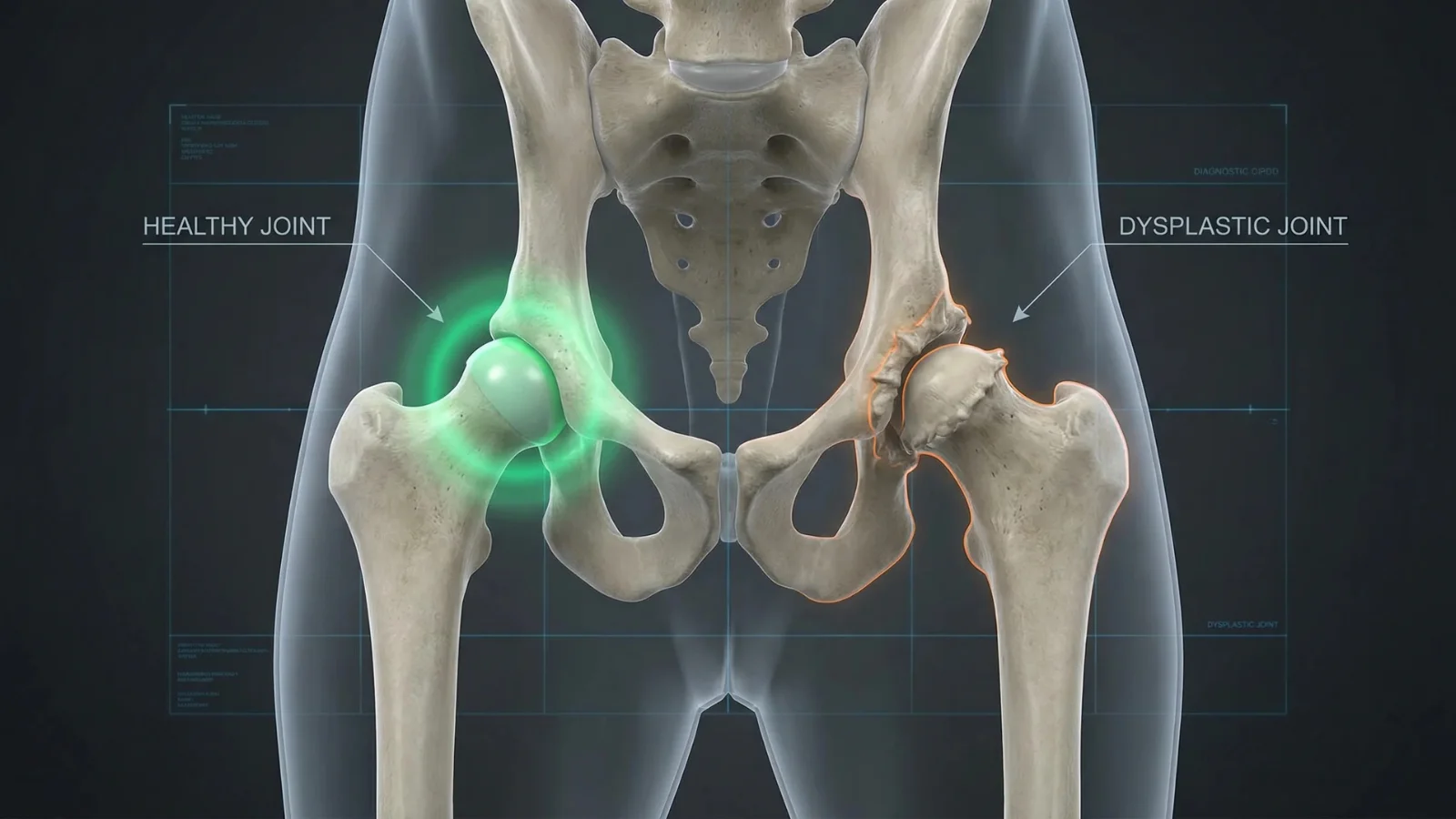
Hip and Elbow Dysplasia
This is perhaps the most well-known skeletal issue in large dogs. Dysplasia occurs when the joint socket doesn’t form correctly. Managing this often requires lifestyle changes, such as using the best dog joint supplements to support cartilage health early on.
For owners of powerful breeds, knowing the difference between a Canario Dog vs Cane Corso is essential, as heavier muscular builds put immense pressure on the joints. To reduce strain when getting into cars, learning how to teach a dog to use a ramp can be a joint-saver for breeds like the Rottweiler.
Gastric Torsion (Bloat)
Bloat is a life-threatening emergency where the stomach fills with gas and twists. Large, deep-chested breeds are at the highest risk. Without immediate surgical intervention, bloat is almost always fatal. Owners of these breeds must be vigilant about feeding schedules and exercise timing.
Osteosarcoma in Giant Breeds
Regrettably, bone cancer (osteosarcoma) is significantly more common in giant breeds than in smaller dogs. Because these dogs have so much bone mass and rapid cellular turnover during growth, they are more susceptible to malignant tumours in the limbs.
4. Cardiovascular Issues in Small and Toy Breeds
While small dogs often live longer than large dogs, their hearts are frequently their “Achilles’ heel.” Toy breeds are prone to specific structural heart failures that require lifelong management.
Mitral Valve Disease (MVD)
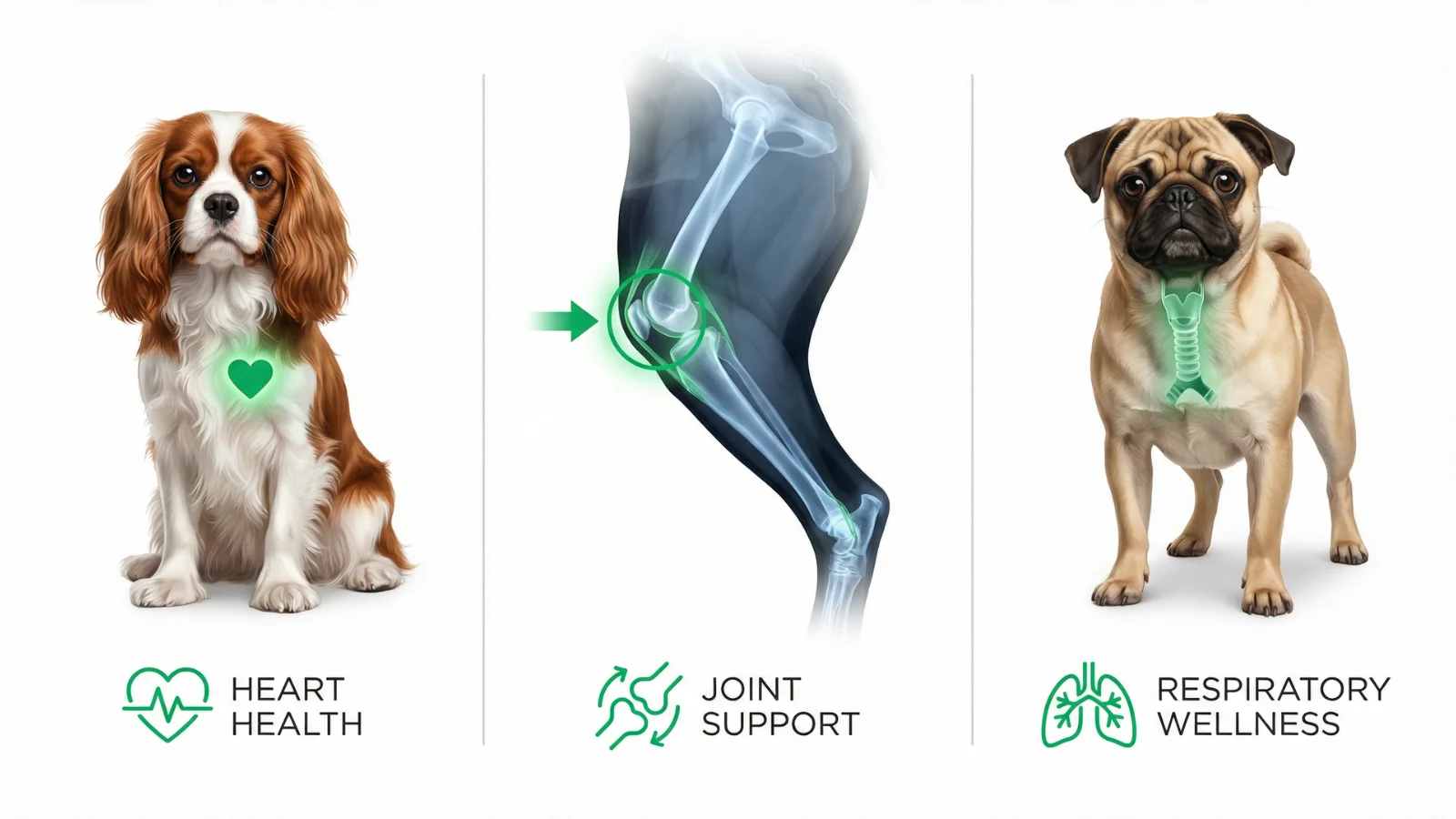
MVD is especially prevalent in breeds like the Cavalier King Charles Spaniel. While they are often considered one of the best family dogs in the UK, potential owners must be prepared for regular cardiac screenings. The valve that prevents blood from flowing backwards in the heart begins to wear out, leading to a heart murmur and, eventually, congestive heart failure.
Patellar Luxation
Commonly known as “floating kneecaps,” this occurs when the dog’s kneecap slides out of its groove. While not a heart issue, it is the most common orthopaedic ailment for toy breeds, often requiring surgery to prevent long-term lameness.
Tracheal Collapse
Small breeds, particularly Yorkies and Chihuahuas, have fragile cartilage rings in their windpipes. Over time, these rings can weaken and “collapse,” leading to a characteristic “honking” cough and difficulty breathing, especially when walking on a traditional collar.
5. Neurological Conditions and Breed Predisposition
The brain and spinal cord are not immune to selective breeding issues. Neurological conditions can be some of the most difficult to manage because they often require advanced imaging like MRIs for diagnosis.
- Syringomyelia: A condition where fluid-filled cavities develop within the spinal cord near the brain.
- Intervertebral Disc Disease (IVDD): High risk in “long and low” breeds like Dachshunds, where a slipped disc can cause sudden paralysis.
- Epilepsy: Certain breeds, such as Beagles and Border Collies, have a higher-than-average incidence of idiopathic epilepsy (seizures with no known cause).
f you are comparing high-energy herders like the Australian Shepherd vs Cattle Dog, be aware that both lines carry specific genetic risks.
6. Skin and Allergic Conditions: The Chronic Struggle
While rarely fatal, chronic skin issues can severely diminish a dog’s quality of life and be incredibly frustrating (and expensive) for owners to manage.
Breeds with excess skin folds, such as Bulldogs and Shar-Peis, are prone to “intertrigo” or fold dermatitis. Bacteria and yeast thrive in moist folds, leading to infections. Using the best shampoo for dogs with itchy skin can provide relief, but always avoid harsh chemicals. Never use human products on irritated skin; read our guide on can you use human shampoo on dogs to understand why pH balance matters.
If fungal issues arise, an antifungal shampoo for dogs is often necessary to clear stubborn yeast infections.
Additionally, many terriers and Westies are genetically predisposed to atopic dermatitis—essentially severe hay fever that manifests as itchy, inflamed skin rather than a runny nose.
7. Ocular Health: Protecting the Canine Vision
Eyesight is a critical sense for dogs, yet many breeds suffer from inherited ocular defects. “Cherry Eye” (prolapsed third eyelid) is common in Spaniels and Mastiffs, while breeds with prominent, bulging eyes are at high risk for corneal ulcers because their eyelids often cannot close fully over the eye.
Progressive Retinal Atrophy (PRA) is found in many breeds, including Labradors and Poodles. If you are deciding between a Golden Retriever vs Labrador, check the parents’ eye scores, as both breeds are susceptible. It is a slow, painless loss of vision that eventually leads to total blindness. Because it is hereditary, responsible breeders now use DNA testing to ensure they aren’t passing this gene to puppies.
8. Metabolic and Endocrine Disorders
Some breeds struggle with “internal” health issues that aren’t visible to the naked eye until the dog becomes quite ill.
Cushing’s Disease (overproduction of cortisol) is common in Poodles and Dachshunds, while hypothyroidism (underactive thyroid) is frequently seen in Dobermans and Golden Retrievers. These conditions often manifest as lethargy, weight gain, and hair loss. Early blood work is the only way to catch these before they cause secondary damage to the organs.
9. Cancer Predisposition: The Hard Truth
It is a sobering statistic that nearly 50% of dogs over the age of 10 will develop cancer. However, certain breeds are affected much more severely and much earlier. Golden Retrievers and Bernese Mountain Dogs, for example, have exceptionally high rates of hemangiosarcoma and lymphoma.
This has led many to ask why are Golden Retrievers dying younger, a trend closely linked to genetic bottlenecks. Diet plays a role in longevity; ensure you are feeding the best dog food for Golden Retrievers with allergies to reduce systemic inflammation.
Being aware of this means owners should perform weekly “lump and bump” checks. Early detection of a mast cell tumour can be the difference between a simple skin surgery and a terminal diagnosis. At FlexK9, we advocate for total body awareness i.e. know your dog’s “normal” so you can spot the “abnormal” immediately.
Generally, smaller breeds tend to live longer; check our list of dogs with the longest lifespan if longevity is your priority.
10. How to Be a Proactive Owner

You don’t need to be a vet to protect your dog. Being proactive starts with Research. Understanding dog breeding regulations in the UK will help you identify ethical breeders who prioritise health over profit.
If you are buying a puppy, ask for the parents’ hip scores and DNA clearance certificates. If you are adopting, ask the rescue if the dog has shown signs of exercise intolerance or skin sensitivities.
Secondly, Prevention is cheaper and kinder than a cure. Weight management is the single most important thing you can do for a dog prone to joint issues. An extra 2kg on a Labrador with hip dysplasia is equivalent to carrying a heavy rucksack every day. Keep them lean, keep them active, and keep up with their annual blood work. Choosing the best large breed puppy food is critical during growth stages to prevent developmental joint issues.
Regular grooming is also a health check opportunity. Use the best deshedding tools for dogs to inspect their skin and body condition weekly. Don’t neglect their paws either; knowing how to clip dog nails properly prevents posture issues that can exacerbate arthritis. Finally, ensure they have a supportive place to rest; we recommend the best dog beds for large dogs in the UK to cushion ageing joints.
Final Thoughts: A Lifetime of Healthy Adventures
Every dog, regardless of its breed or genetic history, deserves a life filled with adventure and companionship. Understanding the potential health risks is not about living in fear; it’s about being prepared. By choosing a responsible breeder, maintaining a healthy lifestyle, and partnering with your vet for early detection, you can significantly improve your dog’s quality of life.
If you notice sudden changes in your dog’s behaviour or appetite, don’t wait. Use resources like the Vets4Pets Symptom Checker to check symptoms or consult your vet immediately.

Being proactive starts with Research. If you are buying a puppy, check if the parents have undergone relevant screening. You can verify health test results using The Royal Kennel Club’s Health Test Results Finder to ensure you are making an informed decision.
At FlexK9, we believe that an informed owner is a dog’s best advocate. With the right knowledge and proactive care, you can navigate these challenges and enjoy many happy, healthy years with your loyal companion by your side.
Frequently Asked Questions
Which dog breeds are the healthiest with the longest life expectancy?
Medium-sized working breeds with moderate physical features, such as the Australian Cattle Dog, Border Collie, and Jack Russell Terrier, are statistically the healthiest. Additionally, mixed-breed dogs often benefit from “hybrid vigour,” which reduces the risk of inheriting two copies of the defective recessive genes common in highly specialised pedigree lineages.
Does DNA testing prevent all genetic health problems in my dog?
DNA testing identifies “markers” for specific inherited conditions like Degenerative Myelopathy, but it cannot prevent them. Testing allows owners to be proactive with health screenings and assists breeders in making informed decisions. However, many issues like hip dysplasia are “multifactorial,” meaning they are influenced by a combination of genetics, environment, and diet.
Why is pet insurance more expensive for high-risk dog breeds?
Insurance premiums are based on clinical data and claim frequency within the UK. Breeds like the French Bulldog and Great Dane sit in higher risk brackets due to the statistical likelihood of requiring costly treatments for airway surgery (BOAS) or heart conditions. A “Lifetime” policy is essential for these breeds to ensure chronic conditions remain covered.
What are the early warning signs of breed-specific health problems?
Early indicators of hidden issues include exercise intolerance, stiffness when rising, excessive panting at rest, or sudden appetite changes. For neurological-prone breeds, look for “air-licking” or sensitivity around the neck. Identifying these subtle shifts early allows for faster veterinary intervention and significantly better long-term management of hereditary conditions.
Is it safe to use AI triage tools for my dog’s health symptoms?
In 2026, AI triage tools are excellent for identifying urgency but should never replace a vet. These tools use pattern recognition to flag issues like heatstroke or gastric torsion (bloat) that require immediate intervention. While helpful for preliminary guidance, always confirm AI-generated advice with a qualified clinician to ensure your dog’s specific medical history is considered.
How can I reduce the risk of hip dysplasia in large dog breeds?
While hip dysplasia is primarily genetic, you can manage its severity through weight control and controlled exercise. Keeping a large-breed dog lean reduces the load on developing joints. Additionally, avoiding high-impact jumping on hard surfaces during the first 12 months of growth helps ensure the hip socket forms correctly, regardless of genetic predisposition.
What is the most common health problem in small dog breeds?
The most prevalent health issue for small and toy breeds is Mitral Valve Disease (MVD), particularly in Cavalier King Charles Spaniels. Other common concerns include patellar luxation (floating kneecaps) and dental disease due to crowded jaw structures. Regular cardiac screenings and proactive dental care are the most effective ways to extend the lifespan of smaller breeds.
