
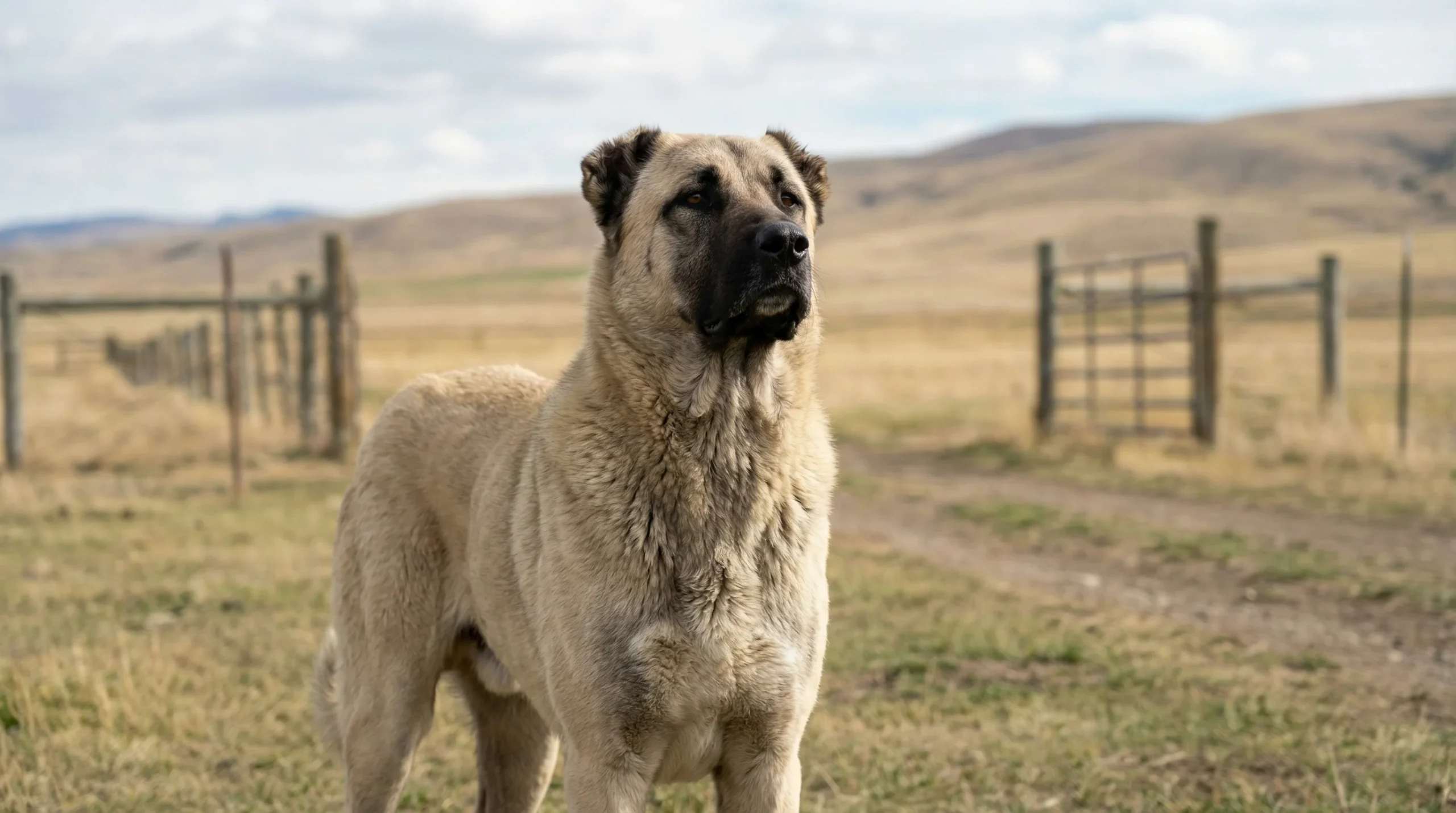
Kangal Shepherd Dogs are not naturally aggressive, but they are among the most powerful, protective, and territorially driven dog breeds in the world. Bred for centuries to defend livestock against wolves and human intruders, their temperament is rooted in instinct, independence, and responsibility rather than impulsive behaviour.
The belief that Kangals are aggressive usually comes from misunderstanding their role. These dogs are wary of strangers, slow to trust, and entirely unsuitable for inexperienced owners or busy urban lifestyles. When placed in the wrong environment, their guarding instincts can be mistaken for aggression.
This guide explains the true Kangal Shepherd dog temperament, when protective behaviour can become dangerous, how Kangals behave around family and strangers, and what responsible ownership looks like in the UK.
TABLE OF CONTENTS
What Is the Kangal Shepherd Dog Temperament?
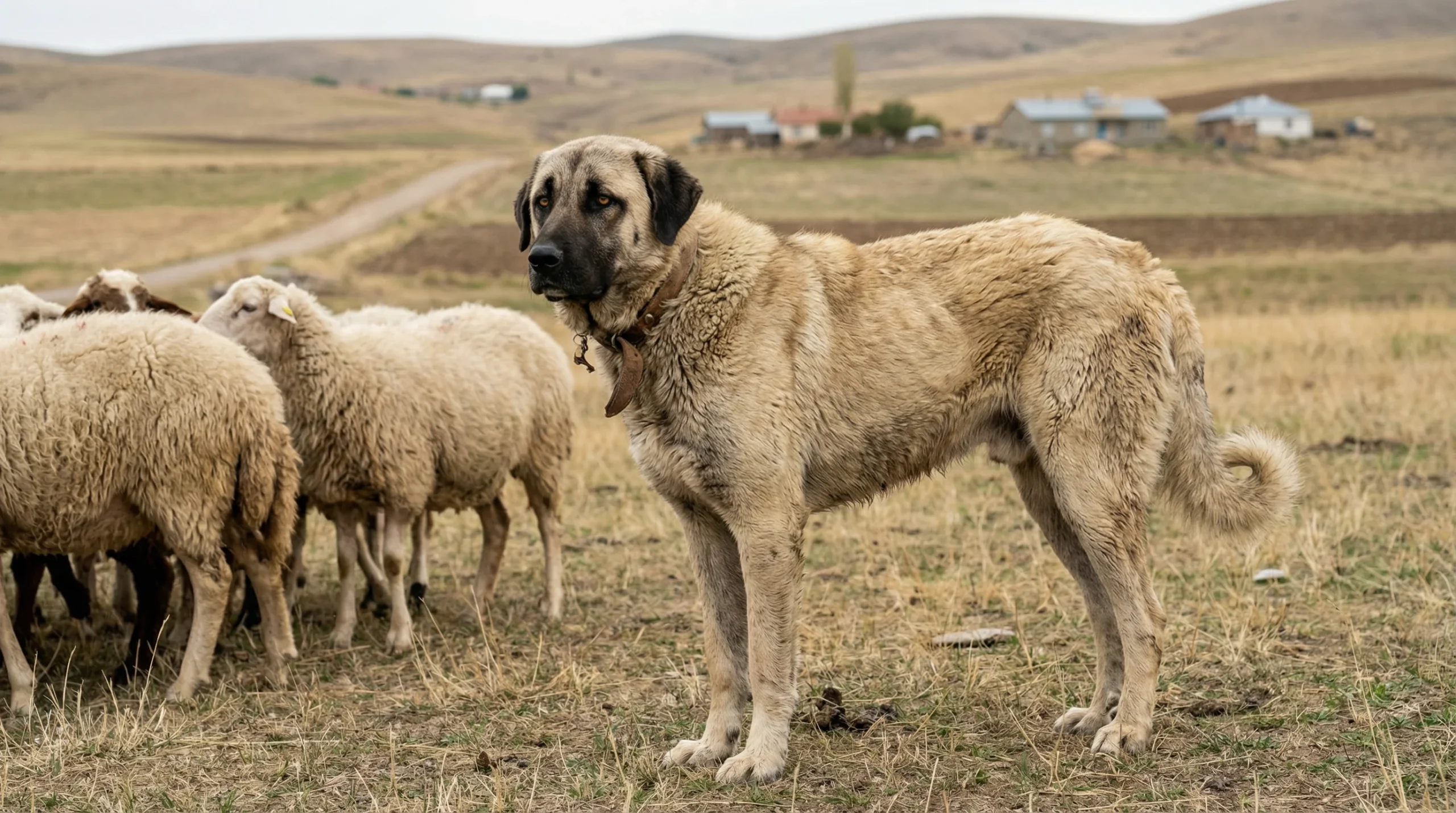
Kangal Shepherd Dogs are calm, confident, and deeply loyal to their family or territory. They are not excitable, reactive, or needy, but they are always alert and aware of their surroundings. As a working livestock guardian, the Kangal Shepherd dog breed is defined by calm confidence, independence, and a strong sense of territorial responsibility.
These dogs were bred to make independent decisions without human instruction. As a result, Kangals do not blindly obey commands and require owners who understand leadership rather than control. While closely related, there are important behavioural differences, see our detailed comparison of the Anatolian Shepherd vs Kangal dog to understand how temperament and guarding style differ.
Are Kangal Dogs Naturally Aggressive?
No, Kangals are not naturally aggressive. However, they are naturally protective, and this distinction matters.
Aggression implies unpredictable or hostile behaviour. Protection is deliberate, calculated, and situational. Kangals only escalate when they perceive a genuine threat to their territory, livestock, or family.
Unlike fighting breeds often mentioned in media, the comparison of Pitbull vs Kangal highlights how different breeding purposes shape behaviour and perceived aggression.
Why Kangal Guard Dogs Are Often Misunderstood as Aggressive
Kangal guard dogs are bred for calm, controlled protection, but their size, silence, and confidence are often mistaken for aggression by people unfamiliar with livestock guardian breeds. Thier size, strength, and calm confidence can appear intimidating to people unfamiliar with livestock guardian breeds. Unlike many dogs, Kangals do not seek reassurance or constant human approval.
They observe first, assess risk, and act only when necessary. This behaviour is often mislabelled as aggression when it is actually restraint. Much of the confusion stems from misunderstanding the breed’s personality and temperament, which prioritise vigilance and restraint rather than reactive or impulsive behaviour.
Kangals are often compared with other powerful guardian breeds, such as the Alabai dog vs Kangal, which further contributes to confusion around aggression and temperament.
Protective Instinct vs True Aggression
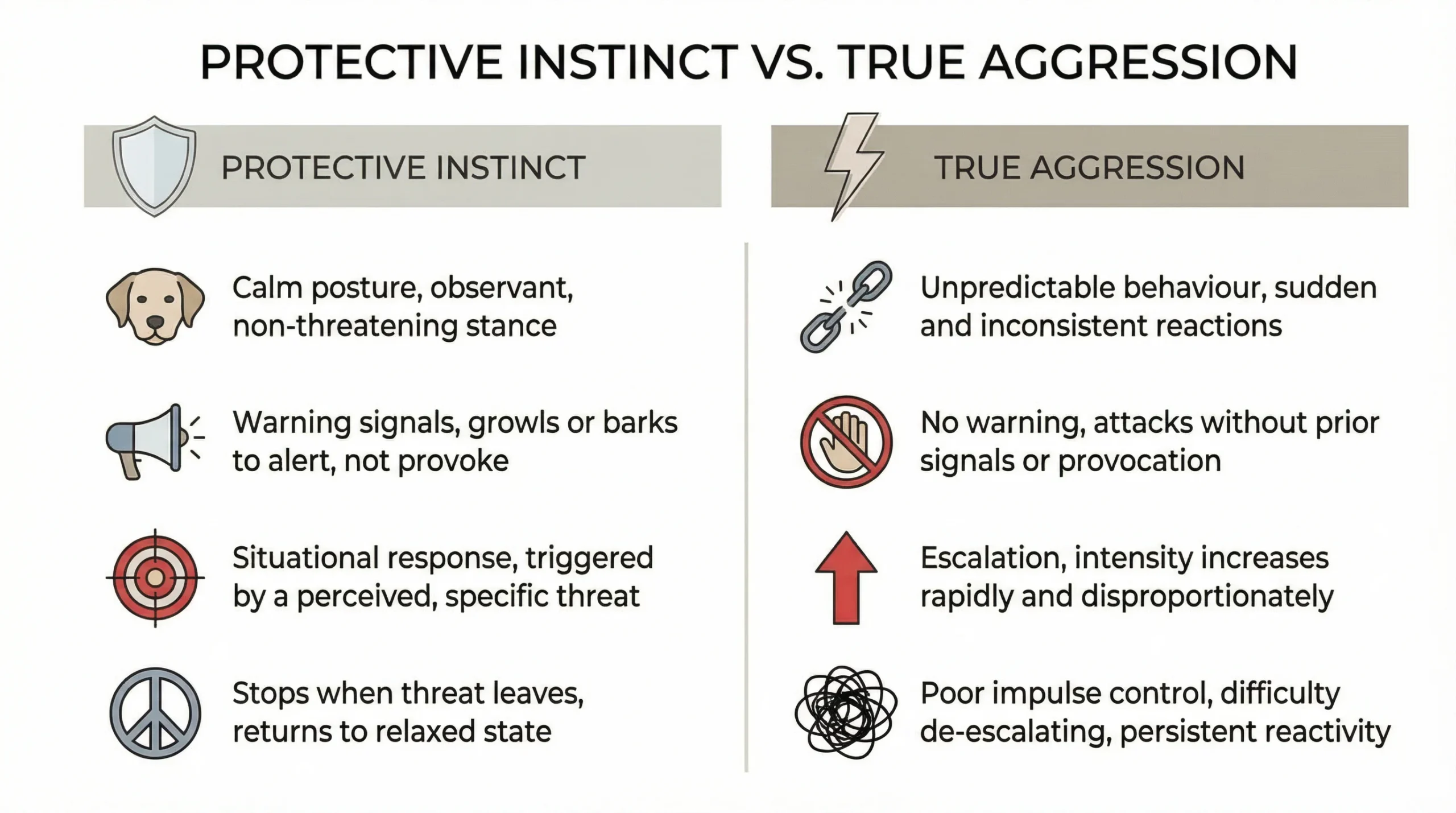
A Kangal standing its ground, blocking access, or issuing warning barks is displaying protection, not aggression. True aggression involves unprovoked attacks, instability, or inability to disengage.
Kangals are known for giving clear warnings before acting. When these warnings are ignored or misunderstood, incidents occur.
When Can a Kangal Become Dangerous?
A Kangal can become dangerous when its instincts are mismanaged or ignored. The most common risk factors include poor socialisation, lack of structure, and inappropriate living conditions.
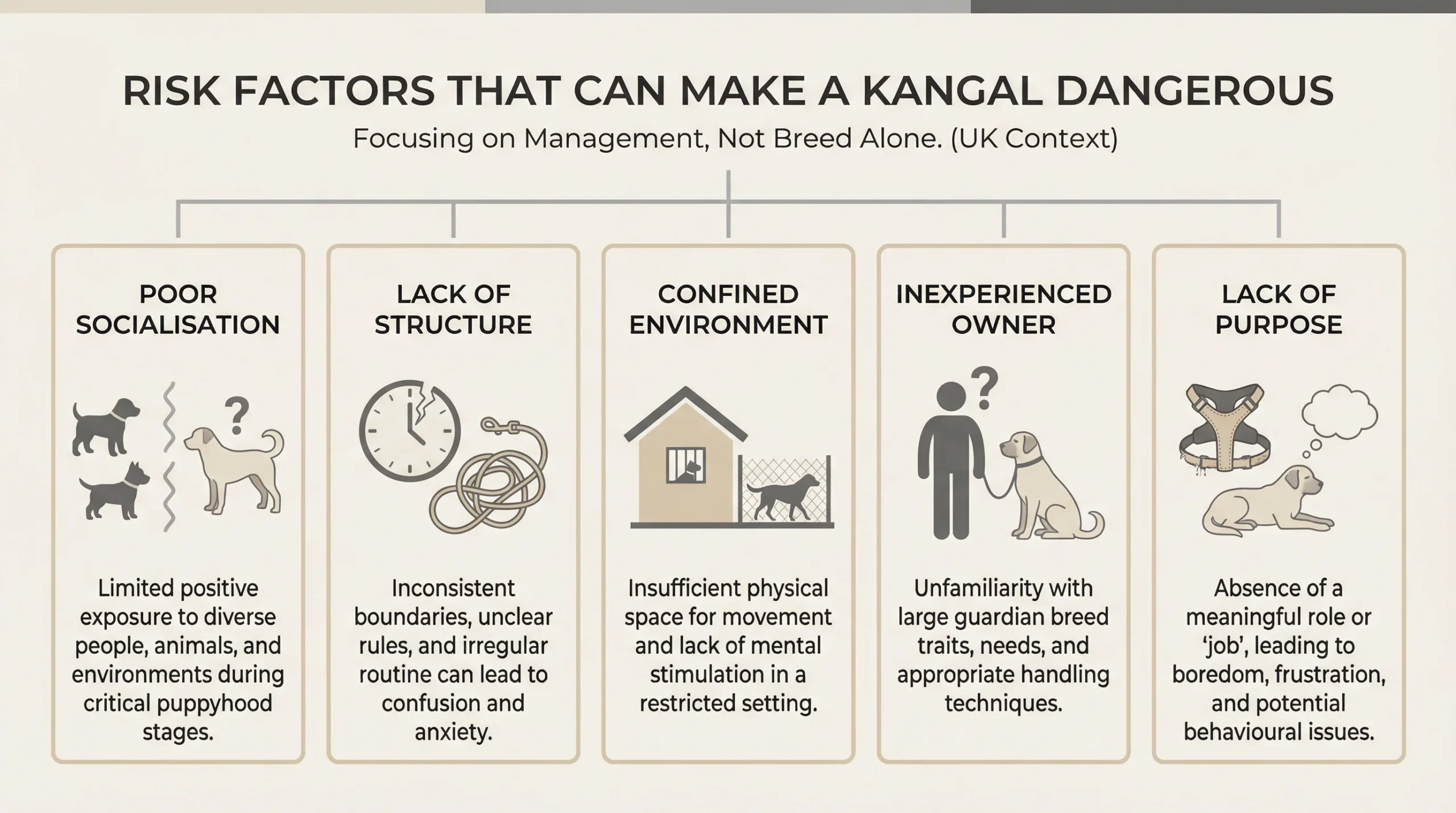
These dogs are not designed for small homes, crowded neighbourhoods, or owners who rely on obedience alone.
In some cases, underlying discomfort or illness can influence behaviour. Our guide to dog breeds’ common health problems explains why health checks matter.
Environmental Triggers That Increase Aggressive Behaviour
Lack of Early Socialisation
Without controlled exposure to people, animals, and environments during puppyhood, a Kangal may default to suspicion and territorial responses.
Poor Leadership and Inconsistent Boundaries
Inconsistent rules confuse an independent breed. Kangals require calm, confident leadership rather than harsh correction or permissive handling.
Physical and Mental Understimulation
A bored Kangal is a frustrated Kangal. These dogs require meaningful work, space, and mental engagement to remain balanced.
How Kangals Behave Around Family and Children
With their own family, Kangals are gentle, tolerant, and surprisingly affectionate. They form strong bonds and often position themselves between perceived threats and vulnerable family members.
However, they are not naturally playful or tolerant of chaotic behaviour from unfamiliar children.
Similar questions are often asked about other guardian breeds. See whether a Rottweiler is a good family dog for comparison.
Kangal Dog Behaviour With Strangers
Kangals are reserved with strangers and do not seek interaction. They observe first and react only if boundaries are crossed.
This makes them excellent guardians but unsuitable for owners expecting a social or welcoming dog.
Are Kangal Dogs Dangerous or Restricted in the UK?
Kangal Shepherd Dogs are not banned in the UK. However, their size, strength, and guarding nature place a legal responsibility on owners under the Dangerous Dogs Act. Owners should also be aware of broader responsibilities under UK law, outlined clearly in our guide to service dog laws in the UK.
Owners must ensure proper containment, control in public spaces, and responsible handling at all times. For contrast, it helps to understand why some breeds face restrictions. Our guide on are Pitbulls banned explains how legislation differs by breed and behaviour history.
In the UK, the Turkish Kangal Dog is formally recognised by the Royal Kennel Club, which provides official guidance on breed characteristics, temperament, living requirements, and responsible ownership.
How to Manage and Prevent Aggression in Kangals
These practical safety tips focus on structure, leadership, and responsible handling to reduce risk and support balanced behaviour.
Early Structure and Routine
Establish clear boundaries from puppyhood. Predictability builds trust and reduces anxiety-driven behaviour.
Controlled Social Exposure
Introduce new people and environments gradually and under supervision to prevent defensive reactions. In public spaces, following guidance on when to keep dogs on leads is essential for large guardian breeds like the Kangal.
Purposeful Physical Activity
Kangals need space to patrol, walk, and engage their natural instincts rather than repetitive play. Choosing the right walking equipment also matters. Our comparison of dog harness vs collar explains which option offers better control for large, powerful dogs.
Mental Stimulation Through Responsibility
Problem-solving tasks, scent work, and structured guarding roles help channel instinct constructively.
Health Monitoring and Pain Awareness
Undiagnosed pain can lower tolerance thresholds and trigger defensive behaviour.
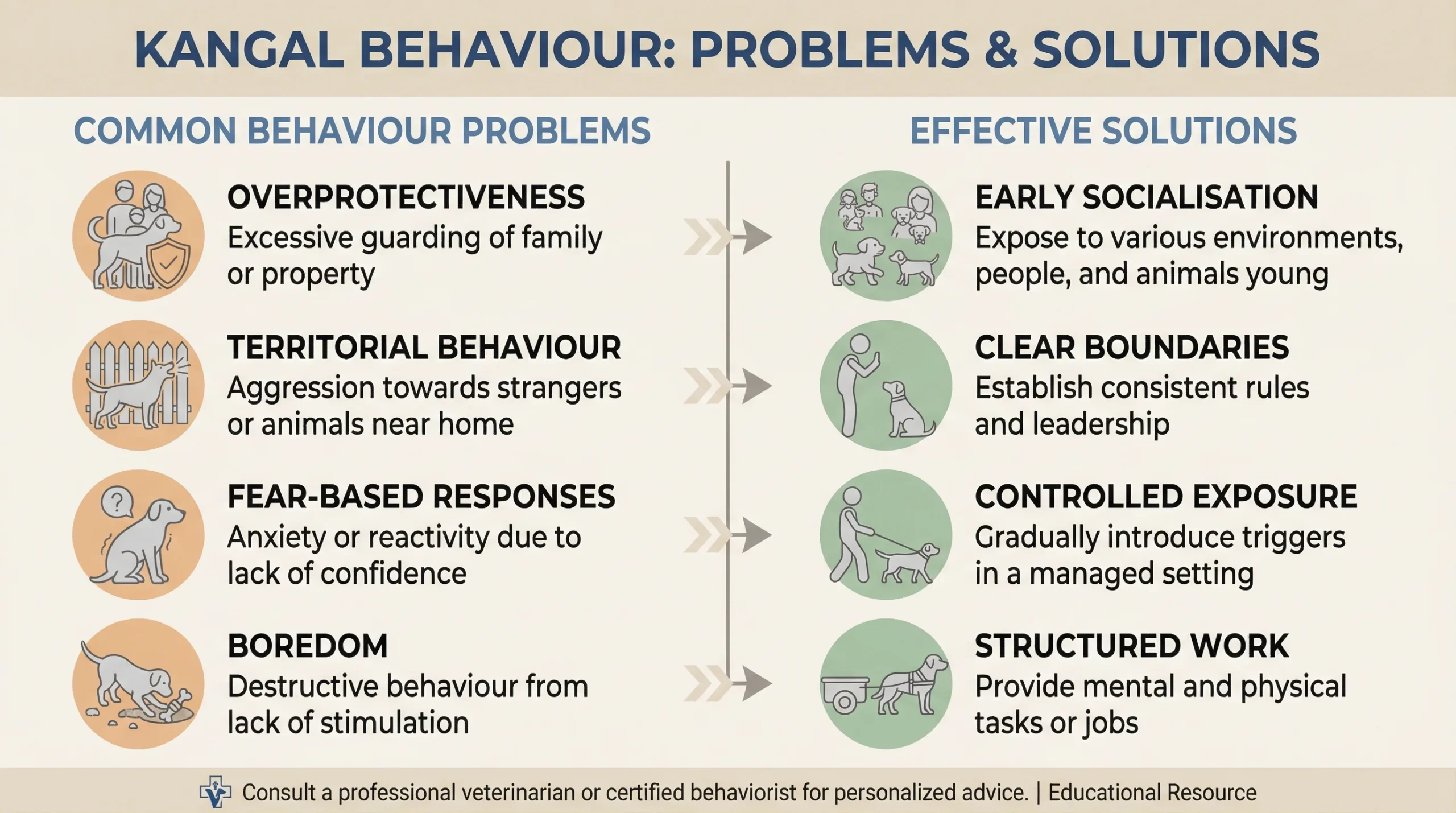
Common Behaviour Problems and Quick Solutions
Like many large guardian breeds, Kangals may show a potential for mouthiness during adolescence, which is usually linked to play, exploration, or poor boundaries rather than aggression.
Quick Behaviour Reference
- Overprotectiveness is addressed through early socialisation and leadership.
- Fear-based responses require gradual exposure and confidence-building.
- Territorial aggression improves with boundaries and controlled access.
- Frustration behaviours reduce with meaningful work and space.
Regular grooming also supports overall wellbeing, and using the best brush for short hair dogs can help reduce irritation and stress-related behaviour.
Final Verdict: Are Kangal’s Aggressive?
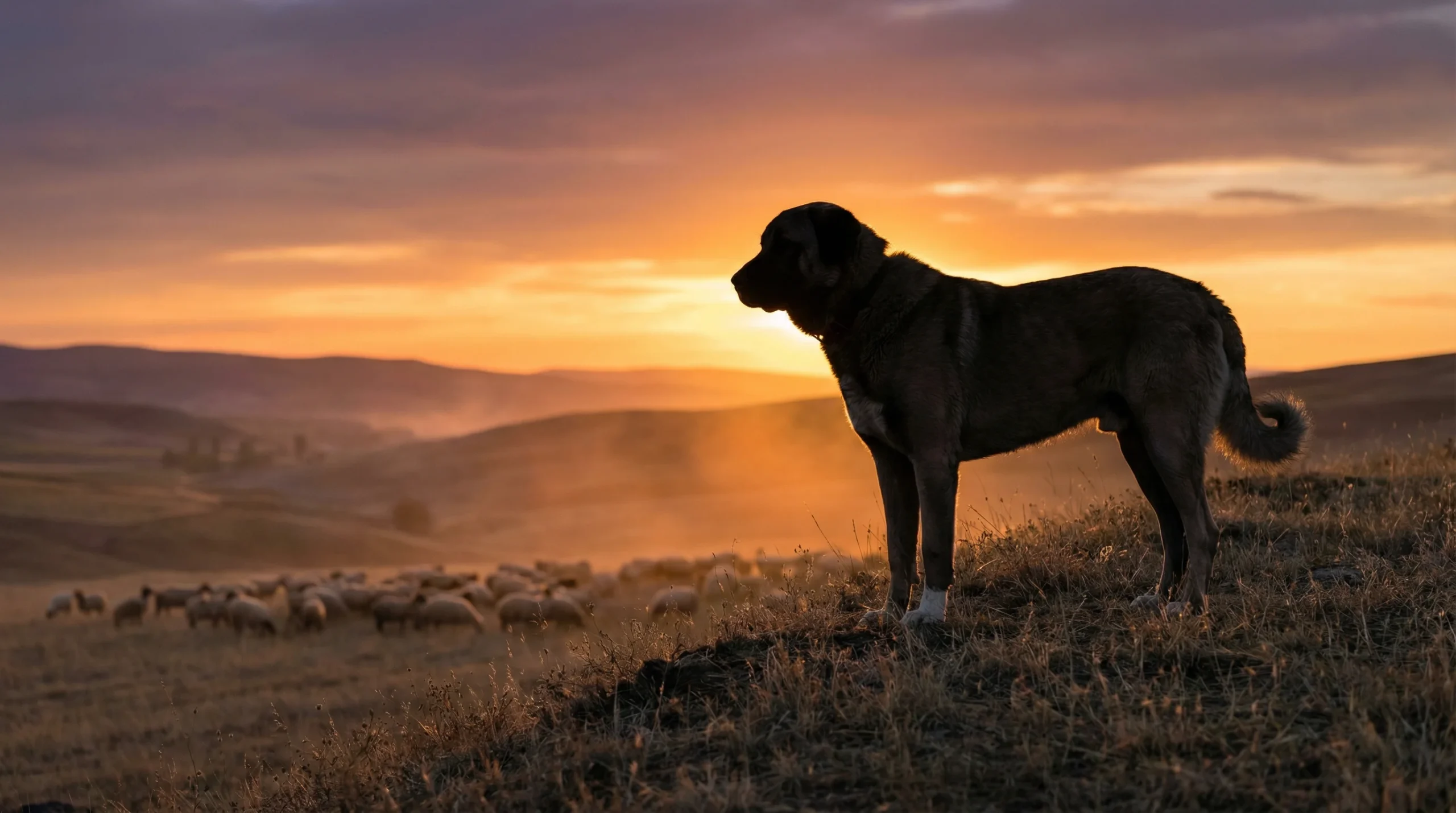
Kangal Shepherd Dogs are not aggressive by default, but they are not forgiving of poor ownership. They are serious working dogs with serious instincts, requiring space, structure, and respect.
In the right hands, a Kangal is a calm, loyal, and formidable guardian. In the wrong environment, the same traits can become dangerous.
If you respect the breed’s purpose, the Kangal will protect without becoming a threat. Ignore it, and the responsibility falls squarely on the owner.
For context, it’s useful to compare inter-dog behaviour across breeds, such as whether Pitbulls are aggressive towards other dogs.
Frequently Asked Questions
Are Kangals a good family dog?
Kangal Shepherd Dogs can be good family dogs in the right environment, but they are not suitable for most households. They are deeply loyal and protective of their family, including children, but require experienced handling, firm boundaries, and space. Kangals are best suited to rural or semi-rural families who understand livestock guardian breeds rather than busy urban homes.
Is the Kangal the toughest dog in the world?
Kangals are often considered one of the toughest dog breeds due to their strength, endurance, and ability to defend livestock from large predators. However, “toughness” depends on purpose rather than raw power. The Kangal’s toughness comes from resilience, decision-making, and protective instinct, not aggression or fighting behaviour.
Are Kangals aggressive to strangers?
Kangals are not aggressive towards strangers by default, but they are naturally reserved and highly territorial. They tend to observe unfamiliar people from a distance and may intervene if they perceive a threat. Proper socialisation and controlled introductions are essential to prevent defensive behaviour from escalating.
Is Kangal stronger than Pitbull?
In terms of size, bite force, and overall strength, Kangals are significantly larger and more powerful than Pitbull-type dogs. However, the two breeds were developed for entirely different purposes. Kangals are livestock guardians, while Pitbulls were bred for strength and athleticism in close-contact tasks. For more insight, check out Pitbull vs Kangal.
Are Kangal dogs aggressive by nature?
No, Kangal dogs are not aggressive by nature. They are instinctively protective and territorial, which can be mistaken for aggression when misunderstood. True aggression in Kangals is usually linked to poor socialisation, lack of structure, or unsuitable living conditions rather than natural temperament.
Can Kangals live with other dogs?
Kangals can live with other dogs if introduced correctly and raised with clear boundaries. Same-sex dominance can be an issue, especially in adulthood, so early socialisation and supervision are important. They generally do best with calm, well-balanced dogs rather than highly reactive companions.
Are Kangals suitable for first-time owners?
Kangals are not recommended for first-time dog owners. Their independence, size, and guarding instincts require confident leadership and breed-specific experience. Without proper handling, their natural protective behaviour can become difficult to manage.
Can Kangals adapt to UK living conditions?
Kangals can adapt to UK living conditions if they have sufficient space, structure, and purpose. They are poorly suited to flats or densely populated areas. Owners must ensure secure boundaries, responsible control in public, and compliance with UK dog ownership laws.
