
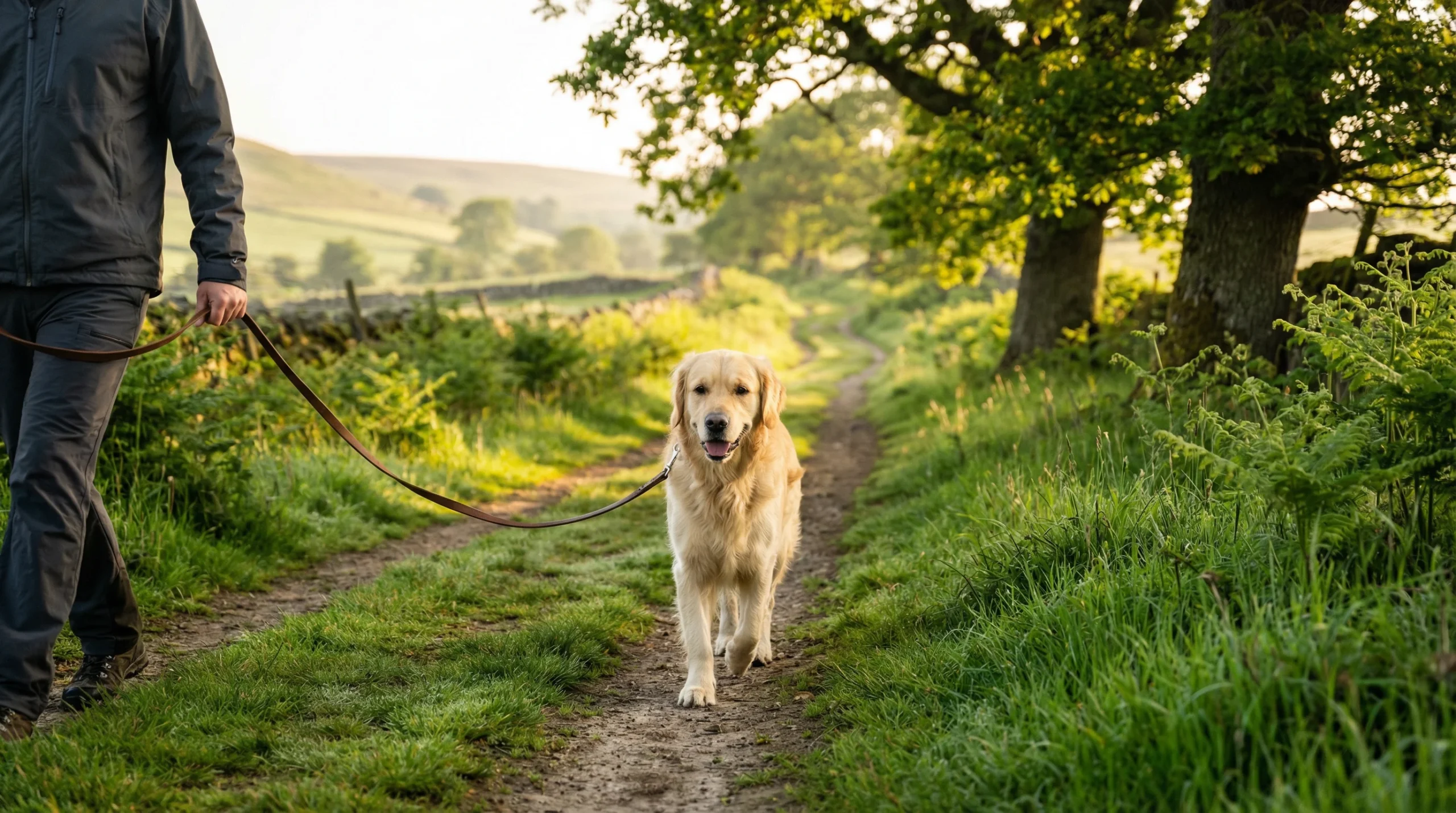
Keeping dogs on leads is more than just a matter of good behaviour; it’s a vital part of responsible dog ownership that protects wildlife, livestock, and other people enjoying the outdoors. It reinforces the importance of why we should Keep Dogs on Leads. For a detailed breakdown of where and when dogs must be kept under control, see our full guide to UK dog leash laws.
Across the UK, increasing awareness around dog control, lead laws, and environmental impact is helping create safer, cleaner, and more wildlife-friendly spaces for everyone. This initiative encourages all dog owners to Keep Dogs on Leads.
TABLE OF CONTENTS
Why Dogs Should Be Kept on a Lead at All Times in Public Areas
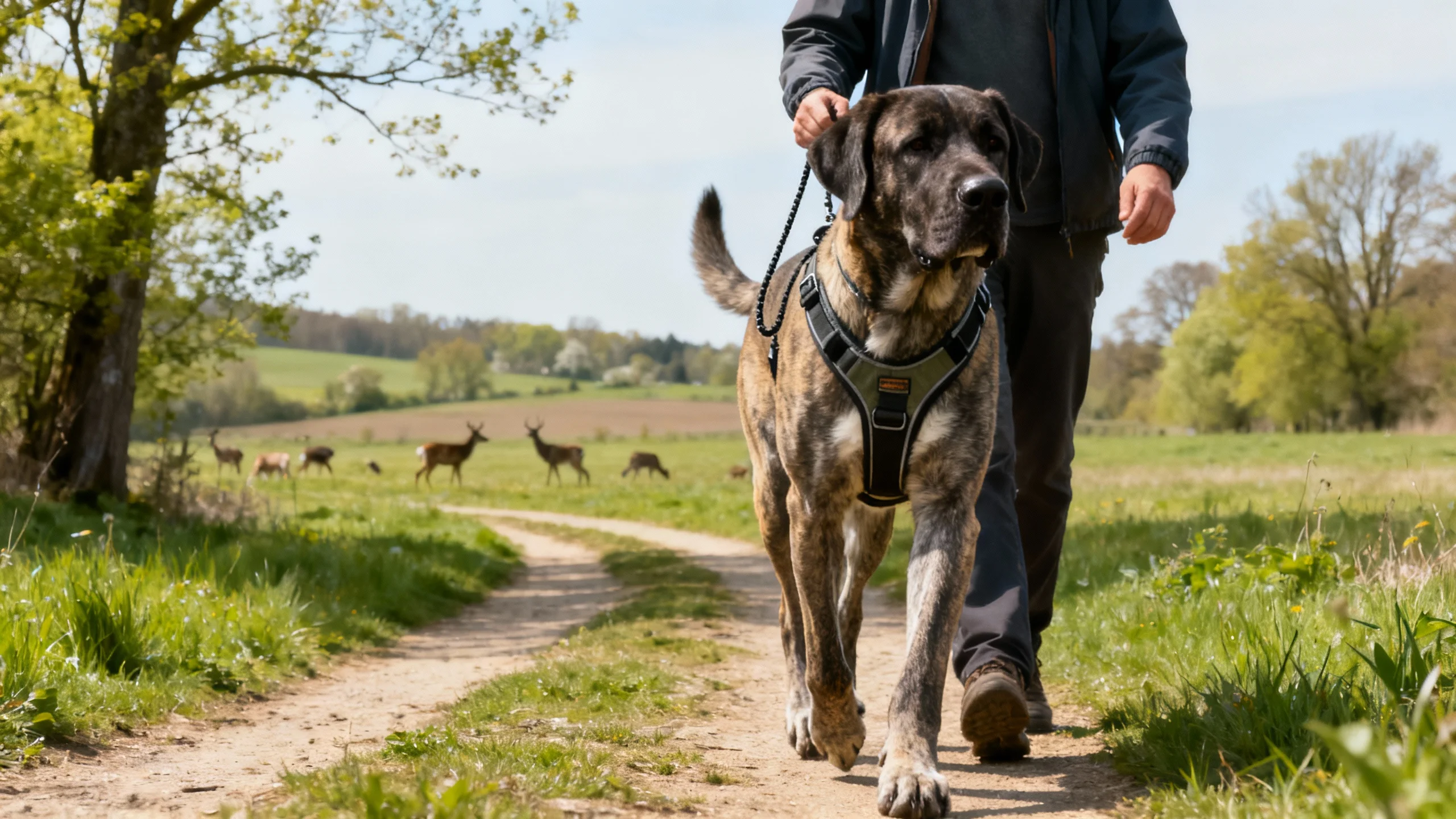
Even the best-trained dog can act unpredictably when confronted with new scents, animals, or people. A lead provides a simple, effective way to prevent accidents and ensures you can always control your dog’s movements. Dogs that become overstimulated or anxious in busy environments may struggle to stay focused, which makes consistent lead control even more important. For dogs that become overstimulated outdoors, some owners also explore calming products for dogs alongside consistent lead training.
Providing enough mental stimulation at home, such as through dog enrichment toys, can reduce frustration that often leads to pulling or poor lead behaviour outdoors.
According to the GOV.UK’s Dog Control Laws, owners must keep their pets under control in public. Failure to do so can lead to fines or restrictions. In serious cases, failure to control a dog can also intersect with wider legal responsibilities under the Dangerous Dogs Act 1991.
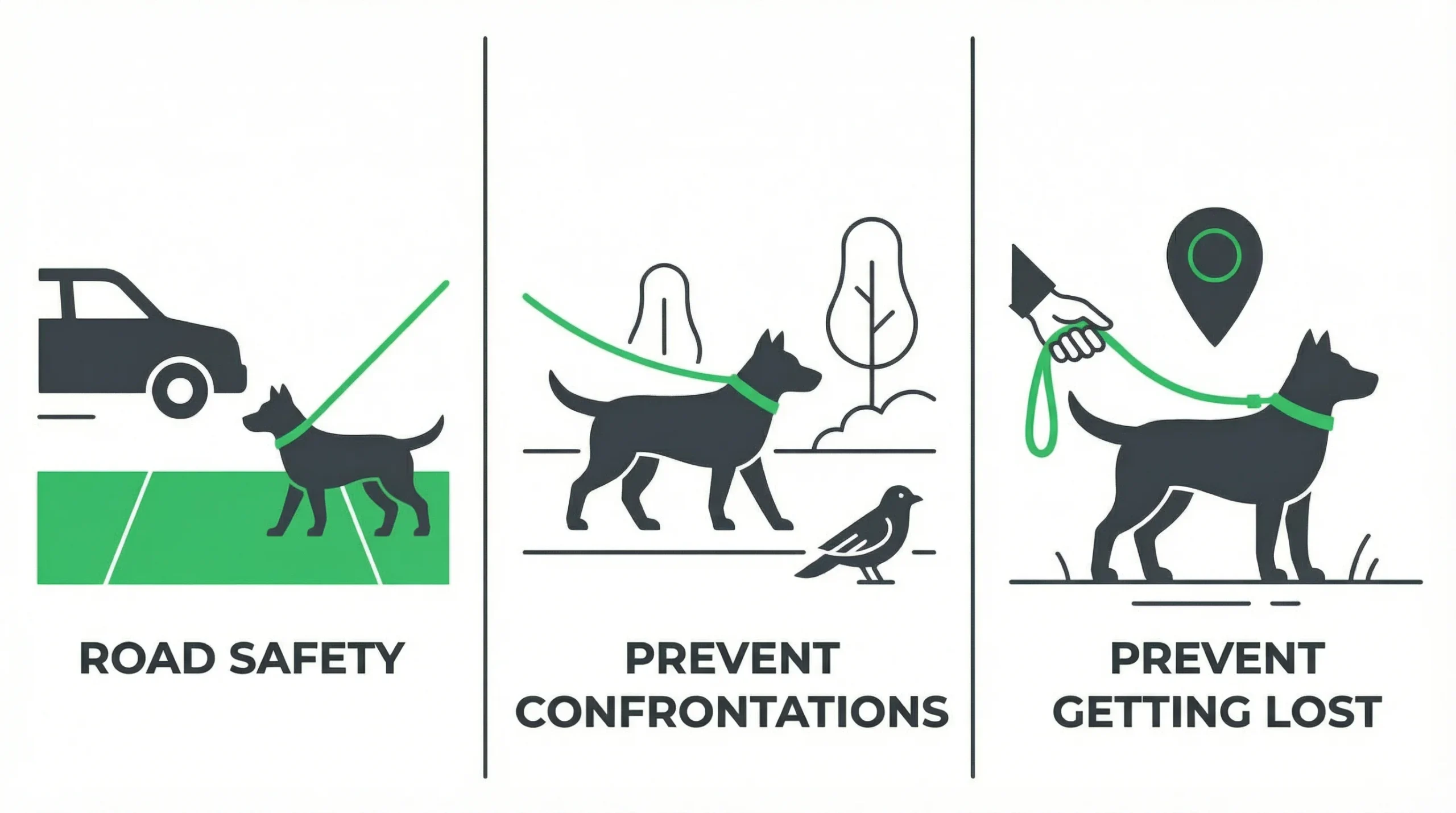
Beyond legal requirements, keeping your dog on a lead reduces the risk of:
- Road accidents near busy paths or car parks.
- Confrontations with other dogs or wildlife.
- Lost dogs that wander too far from their owners.
Public safety rules apply to all dogs, but owners should also be aware of the UK’s list of banned dog breeds, which carry additional legal restrictions and responsibilities.
Training your dog to walk calmly on a lead builds confidence and creates a safer experience for both you and your pet.
Experts emphasise that even friendly, well-behaved dogs can pose a risk, which is why it’s essential to keep them on leads. Birds perceive any approaching animal as a potential predator, which can trigger stress and flight responses. Also, high-risk moments often occur when arriving or leaving vehicles, which is why safe dog car travel and immediate lead control go hand in hand.
While most dogs must be kept on a lead in public places, assistance animals have specific legal protections. Learn more about understanding UK service dog laws and exemptions. It’s also important to understand the difference between a service dog vs an emotional support dog, as only assistance dogs have specific legal access protections in the UK.
The Hidden Impact of Dog Waste
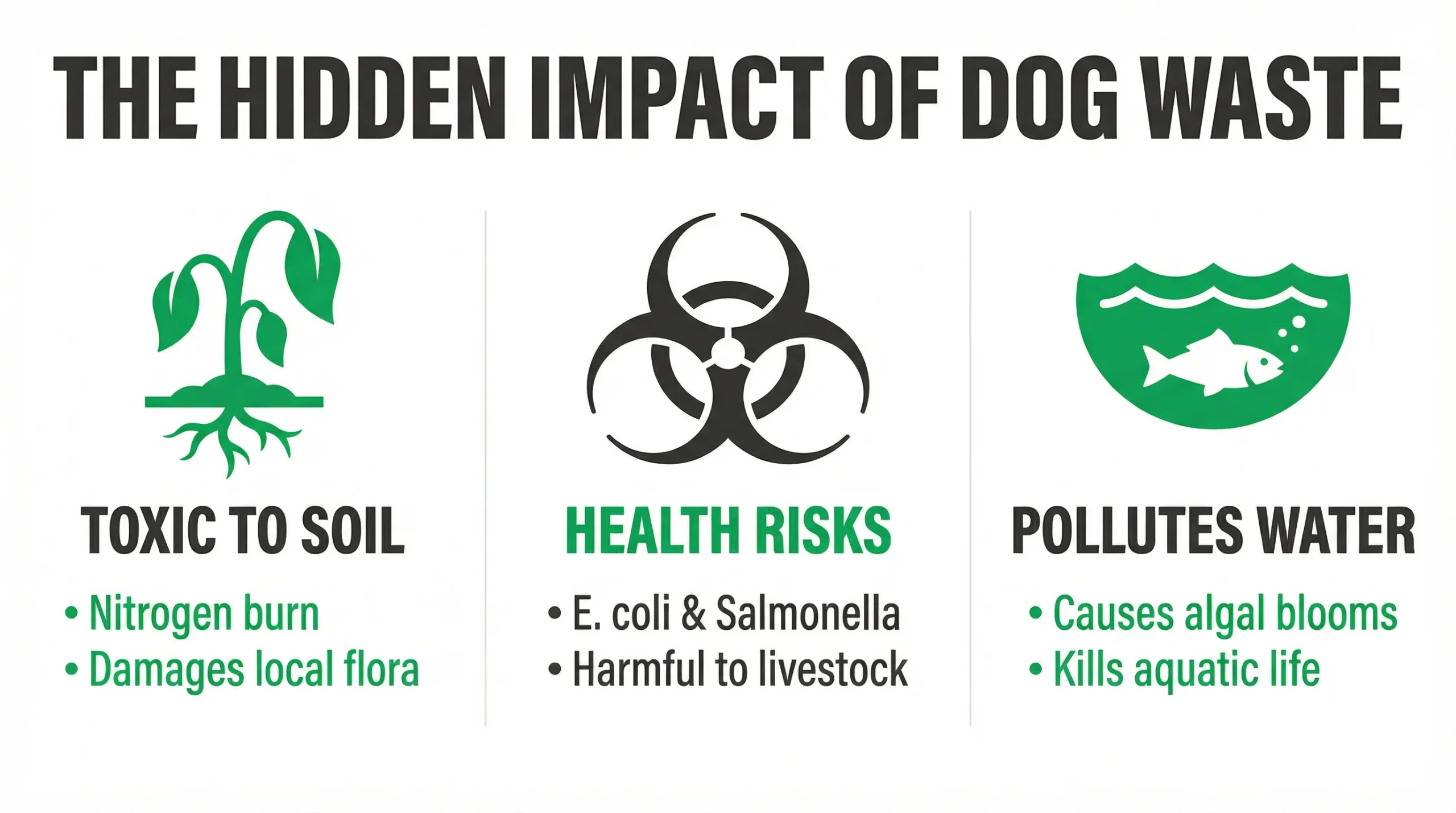
Dog waste left behind in natural spaces doesn’t just look unsightly; it carries serious health and environmental risks. Studies cited by Natural England show that faeces can introduce parasites, such as neosporosis, which can lead to pregnancy loss in cattle and persist in the soil for years.
Always:
- Bag and bin waste, even in remote areas.
- Avoid flicking or burying dog mess — it still contaminates the soil.
- Carry extra bags if bins aren’t available.
Cleaning up after your pet shows respect for nature and supports public health, a simple action that prevents long-term damage to the ecosystem.
Safe and Responsible Dog Walking – Why Dogs Must be kept on leads
Responsible dog ownership goes beyond recall and obedience. It includes being mindful of how your walks affect the environment and others around you.
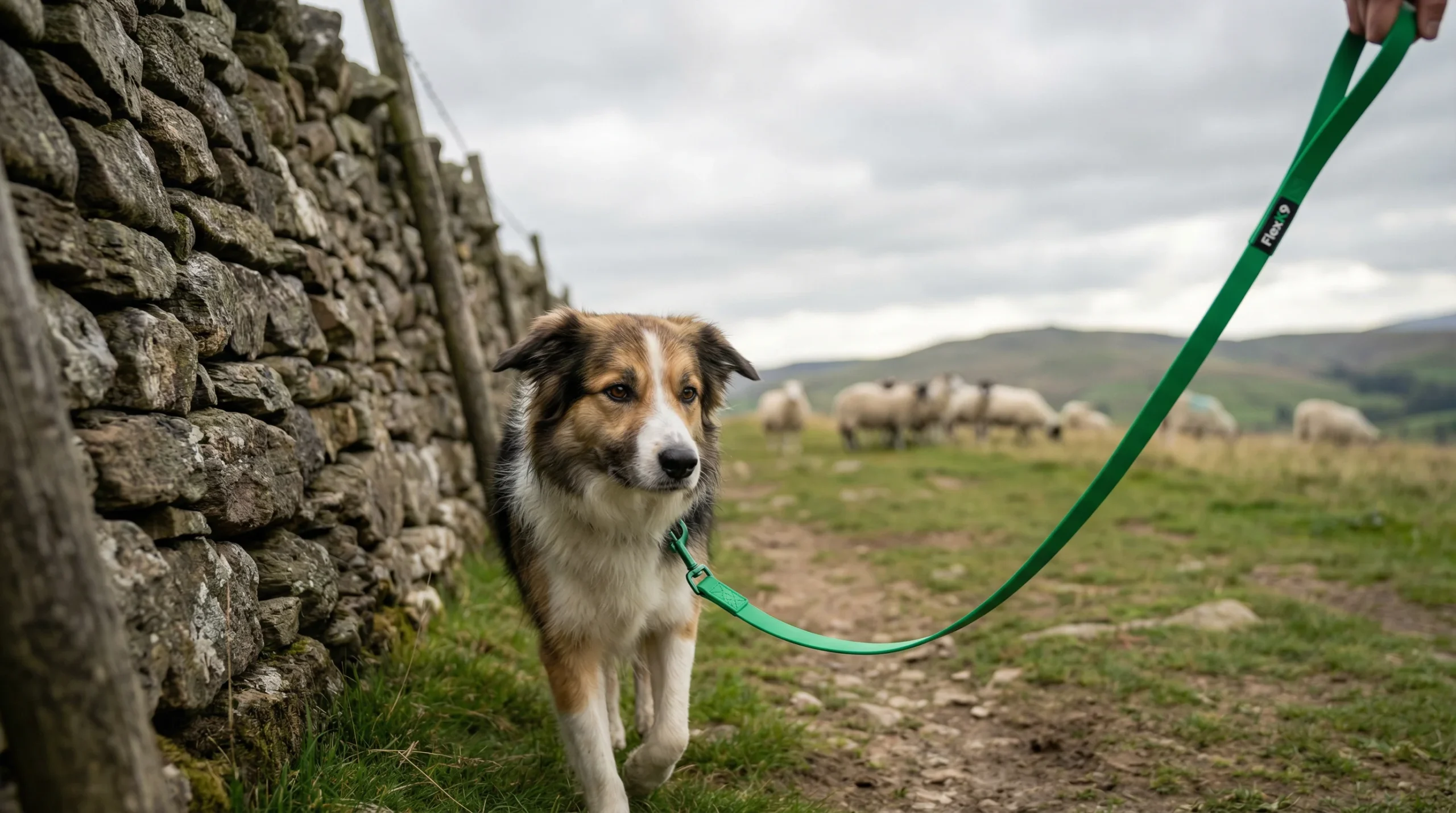
The Countryside Code outlines key responsibilities for all visitors to rural and green spaces:
- Use well-fitted harnesses like front-clip types for added control.
- Stay on marked trails to avoid disturbing wildlife.
- Always pick up after your dog — leaving waste damages soil and water quality. A reliable dog poop bag holder means you’re never caught without one.
- Respect local signs that may impose seasonal restrictions on off-lead walking.
Many UK nature reserves, such as those managed by The National Trust and Wildlife Trusts, publish local dog-walking rules online. Check before visiting to ensure your walk is wildlife-friendly.
The Role of Conservation and Animal Welfare Groups
Organisations such as the Dogs Trust, RSPB, and Surrey Wildlife Trust regularly collaborate to raise awareness about responsible dog ownership. Their campaigns and initiatives highlight how simple actions by pet owners can safeguard entire bird populations.
Local volunteers often help educate visitors at popular walking sites, reminding owners of seasonal restrictions and explaining how dogs, even friendly ones, can unintentionally harm sensitive species.
By supporting these groups, whether through donations, volunteering, or following their advice, you’re helping protect the same landscapes that make dog walking so enjoyable.
A Small Step with a Big Impact
Every dog owner can play a part in preserving Britain’s countryside. Keeping dogs on leads, cleaning up waste, and following local guidance protects wildlife and keeps green spaces welcoming for all. The same principles of control apply in other shared environments, such as offices that allow dogs at the workplace.
Responsible lead use is especially important for households choosing from the best family dogs in the UK, where safety around children and others is essential.
A single lead might seem minor, but multiplied across millions of walks each year, it becomes one of the biggest ways we protect our shared natural world.
Frequently Asked Questions
Is it a legal requirement to keep dogs on leads in the UK?
While there is no blanket law requiring dogs to be on leads in all public spaces, specific Public Spaces Protection Orders (PSPOs) often enforce it in parks, beaches, and cemeteries. Additionally, under the Countryside Code, you must keep dogs on leads around livestock and during bird nesting season (usually March to July). Failure to comply can result in fines.
What is the most effective way to stop a dog from pulling on the lead?
The most effective method combines positive reinforcement training with the right equipment. We recommend using a front-clip harness which physically discourages pulling by redirecting the dog’s momentum. Combine this with the “stop-start” method: stop walking immediately when the lead goes tight, and only move forward when the lead is slack.
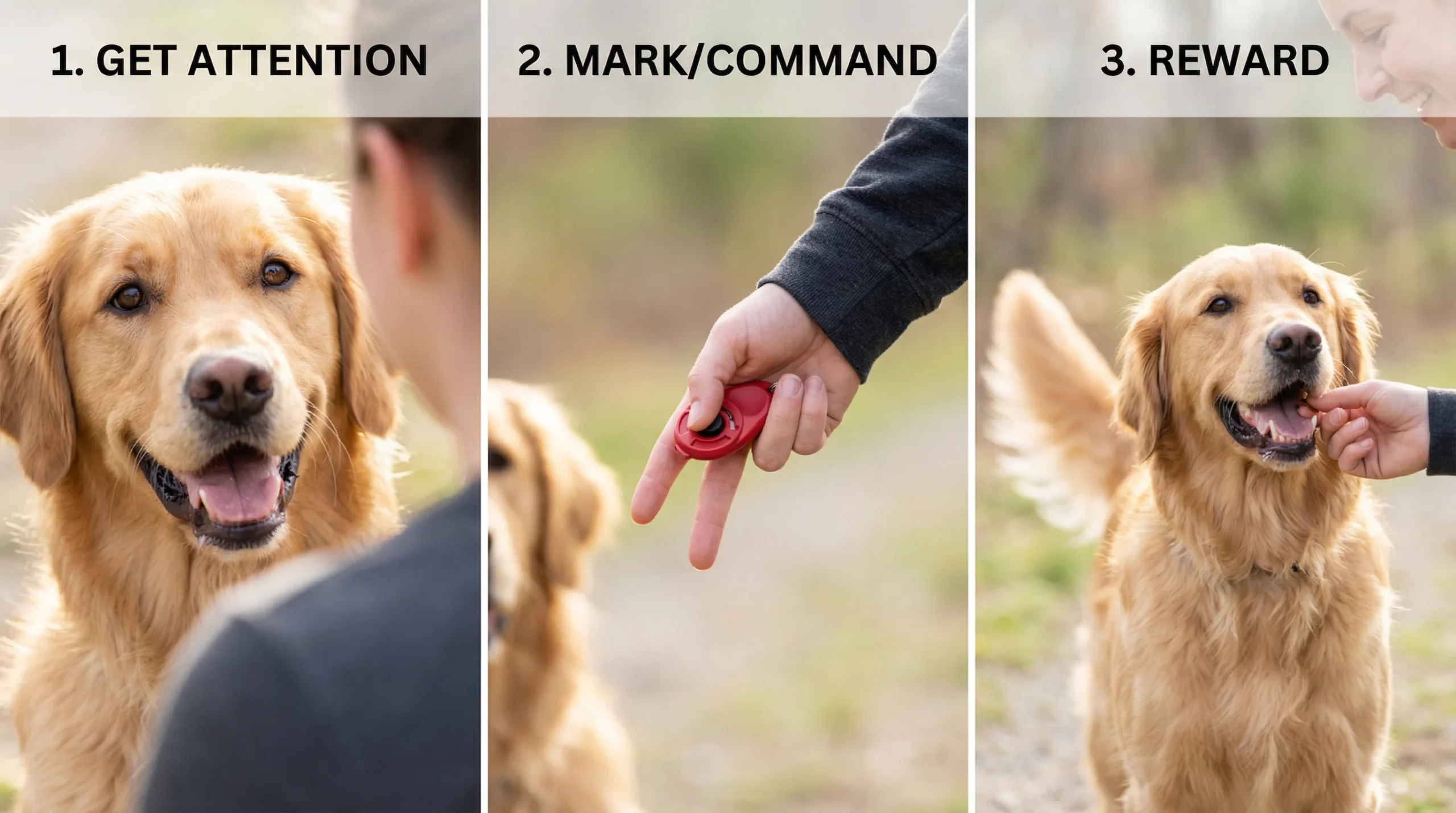
What is the ‘123 Method’ for dog training?
The 123 method is a pattern game used to build focus and loose-lead walking. It involves three steps:
1. Count out loud: “One, two…” to get the dog’s attention.
2. Mark: On “Three,” you mark the behaviour (using a clicker or “Yes!”).
3. Reward: Deliver a treat near your leg to encourage the dog to stay close. This builds a positive association with being by your side.
How do I stop my dog from jumping on strangers during walks?
To stop jumping, keep your dog on a short lead during greetings and ask them to “Sit” before anyone approaches. If they attempt to jump, ask the stranger to ignore the dog (turn away) until all four paws are on the ground. Consistently reward the calm “four-on-the-floor” behaviour with treats.
When are dogs required to be on leads in the countryside?
According to the Countryside Code, you must keep your dog on a lead no longer than 2 metres between 1st March and 31st July (bird nesting season) to protect ground-nesting birds. You must also use a lead whenever you are near livestock to prevent stress or injury to the animals.
Are extendable (flexi) leads safe for use in busy areas?
We generally advise against using extendable leads in high-traffic areas or near roads. They offer less control than a fixed lead and can cause accidents if the mechanism fails or if the line trips others. A standard 4-6ft fixed lead or training line provides better safety and communication with your dog.
Can I be fined for not picking up dog waste in the woods?
Yes. Dog waste is an environmental hazard that can carry parasites like Neospora, which causes illness in cattle and wildlife. Leaving waste, even in woodland or “flicking it” into bushes, is considered littering and can lead to Fixed Penalty Notices. Always bag it and bin it. For the full breakdown of fines by council and your exact legal responsibilities, see our guide to dog fouling law UK.
