
If you are searching for dogs with the longest lifespan, you are likely looking for a companion to stay by your side for the long haul. Let’s be honest: the only flaw dogs have is that they don’t live forever. If we could wave a magic wand and keep our furry best friends around for 50 years, we’d do it in a heartbeat.
For owners considering long-term companionship or support roles, it’s also useful to understand the differences between a service dog vs an emotional support dog.
For many owners, thinking long-term, even understanding how dogs adapt to everyday environments, such as dogs in the workplace, plays a role in choosing the right companion. This guide provides an overview breed by breed, helping you compare lifespan, temperament, and care needs at a glance.
While we haven’t figured out immortality yet, nature has given us the next best thing: breeds that are genetic powerhouses. In this guide, we have compiled the ultimate list of dogs with the longest lifespan, helping you choose a pet that will be part of your family for well over a decade. Temperament and lifestyle suitability matter just as much as lifespan, which is why guides like male vs female dogs can help owners make informed decisions.
TABLE OF CONTENTS
The “Small Dog Rule”: Why Size Matters
Overview Breed Longevity Factors
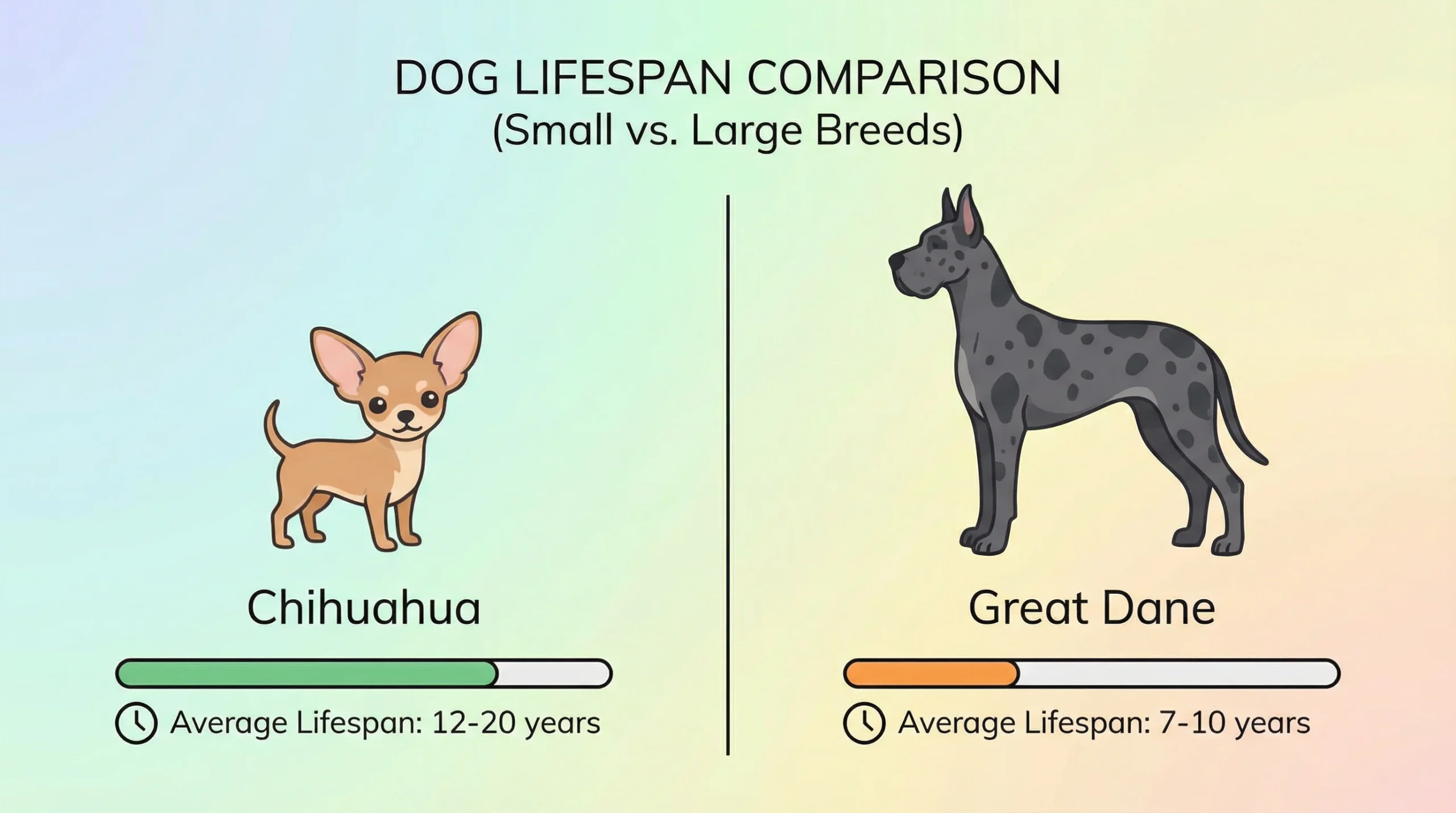
Before we jump into the specific breeds, we have to talk about the science. If you look at the animal kingdom, usually huge animals (like elephants and whales) live longer than tiny ones (like mice). But in the dog world? The rules are flipped upside down. Choosing a breed with a long lifespan also means understanding your responsibilities as an owner, especially under laws such as the Dangerous Dogs Act.
This is the phenomenon known as the small dog lifespan advantage. Different breeds age differently, as highlighted in comparisons like Golden Retriever vs Labrador.
Research into canine longevity factors suggests that large dogs age at an accelerated rate. A Great Dane grows from a tiny puppy to a 150-pound giant in just 18 months. That rapid cell division takes a toll, causing them to age faster on a cellular level. Small dogs, on the other hand, grow slower and “burn” through their life energy at a more sustainable pace.
So, if longevity is your #1 priority, thinking small is usually your best bet. Behaviour and mental stimulation also influence how dogs age, and choosing between a harness vs collar can even affect long-term joint comfort during training.
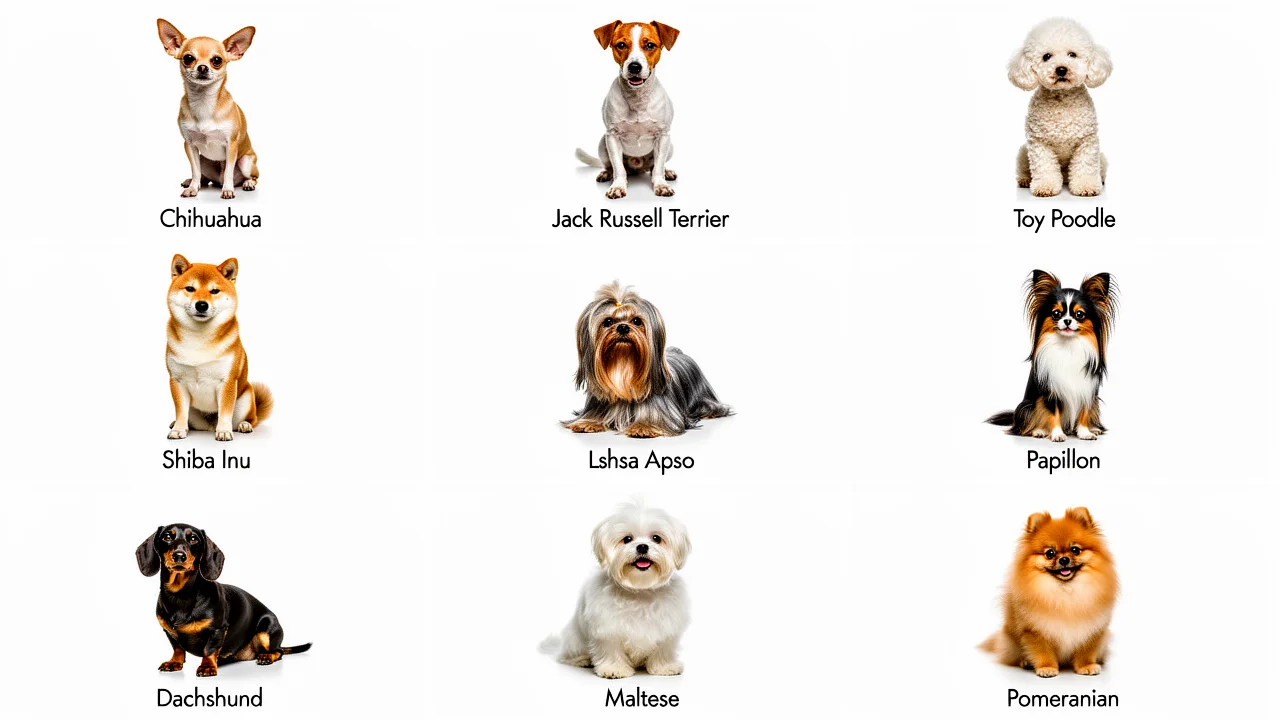
🏆 The Champions of Longevity: 15 Breeds Built to Last
Before diving into each breed overview, it’s important to understand why certain dogs naturally live longer than others. These are some of the longest living dog breeds, consistently recognised for exceptional lifespan and overall health resilience.
1. The Chihuahua (15–20 Years)
The undisputed king of longevity. It is not uncommon to meet a Chihuahua that is 18 or 19 years old and still ruling the house with an iron paw. They are prone to fewer genetic illnesses than many purebreds, and their tiny size puts very little stress on their heart and joints. Small breeds with longer coats benefit from gentle grooming routines, similar to guidance shared in our best brush for double coated dogs.
2. The Jack Russell Terrier (13–16+ Years)
These dogs are pure energy. Originally bred for fox hunting, they are tough, athletic, and resilient. Their high activity levels keep them young, but be warned: they need an owner who can keep up with them! Their intense energy levels mean they thrive with mental challenges, such as dog enrichment toys that help keep their minds sharp.
3. The Toy Poodle (14–18 Years)
Don’t let the fancy haircut fool you; Poodles are sturdy hunting dogs at heart. Toy and Miniature Poodles are incredibly smart and generally avoid the health issues that plague larger breeds. Plus, they don’t shed, which keeps your house clean while they stick around for the long haul. Poodles especially benefit from good coat care, and choosing the right tools, such as those discussed in our guide to the best dog brush for poodles, makes a huge difference.
4. The Shih Tzu (12–16 Years)
Bred as companions for Chinese royalty, the Shih Tzu was designed to be a lap warmer. Because they aren’t working dogs, they tend not to wear their bodies out with extreme exertion. They are sturdy, affectionate, and surprisingly long-lived. Their temperament contrasts with that of similar toy breeds, as discussed in our Lhasa Apso vs Shih Tzu comparison.
5. The Australian Cattle Dog (12–16 Years)
Here is our medium-sized exception! The Australian Cattle Dog (Blue Heeler) is legendary for its toughness. These dogs have incredible stamina. In fact, they hold a very special world record (more on that below). Working breeds often appear in other comparisons too, such as Australian Cattle Dog vs Blue Heeler, emphasising their endurance and durability.
6. The Dachshund (12–16 Years)
The famous “wiener dog” is another long-liver. While they can suffer from back issues (IVDD) due to their spine length, a healthy Dachshund kept at a proper weight can easily reach their mid-teens. Back-sensitive breeds should have their nails kept short to reduce strain, as explained in our guide on how to keep dog nails short without clipping.
7. The Pomeranian (12–16 Years)
These fluffy balls of energy are actually descended from large sledge dogs, and they retained that hardy constitution. They are prone to dental issues, but if you keep their teeth clean, they are marathon runners in the game of life. Small fluffy breeds often need gentler bathing products, and our best flea shampoo for dogs guide highlights suitable options.
8. The Yorkshire Terrier (11–15 Years)
“Yorkies” are feisty and brave. Like the Chihuahua, their small stature is their superpower. They are a favourite among senior owners because they are portable, loving, and stay with you for years. Their fine coat benefits from a regular brushing routine similar to what we recommend in How Often Should I Brush My Australian Shepherd.
9. The Shiba Inu (13–16 Years)
An ancient Japanese breed, the Shiba Inu is known for being clean, cat-like, and robust. They have a very broad genetic pool compared to some Western breeds, which contributes to their general health and lack of hereditary diseases. Their independent nature contrasts with related breeds such as the Akita, which we explore in our Akita dog vs Shiba Inu guide.
10. The Beagle (12–15 Years)
Beagles are one of the healthiest purebreds around. Their “old soul” eyes might make them look weary, but they have a zest for life and a nose that keeps them active and curious well into their golden years. Beagles shed more than many small dogs, and the tools discussed in the best dog brush for beagles can support coat longevity.
11. The Maltese (12–15 Years)
One of the oldest companion breeds in history. They have been comforting humans for thousands of years. They thrive on human connection, which some argue boosts their will to live! Maltese owners often deal with tear stains and careful eye cleaning, similar to guidance on dog ear mites vs ear wax regarding sensitive areas.
12. The Lhasa Apso (12–15+ Years)
Originally monastery sentinels in Tibet, these dogs are wary of strangers but fiercely loyal to family. Their slow metabolism and calm indoor demeanour contribute to a long shelf life. Their long coat requires consistent grooming and deshedding.
Using the right grooming tools, such as those in our best deshedding tools for dogs guide, improves skin health in the long term.
13. The Cockapoo (13–15+ Years)
As a crossbreed (Cocker Spaniel + Poodle), Cockapoos often benefit from “hybrid vigour.” This means they get the best health traits of both parents, often outliving their purebred cousins. Cockapoos have complex coats that often need specific brushing tools, as highlighted in the best dog brush for doodles.
14. The Papillon (14–16 Years)
Named for their butterfly-like ears, Papillons are dainty but not fragile. They are essentially big dogs in tiny bodies, excelling in agility and obedience, which keeps their minds and bodies sharp. Their agility and activity needs echo those discussed in Do You Need a Dog Ramp When Supporting Older or Smaller Breeds.
15. The Mixed Breed (Mutts) (14+ Years)
Okay, it’s not a “breed,” but we have to mention them. A small-to-medium mixed-breed dog often outlives purebreds because their genetics are diverse. Nature has a way of filtering out bad genes when breeds mix! Mixed breeds often avoid extreme hereditary issues, though preventative care like learning how to clean dog teeth without brushing still applies universally.
📜 The History Books: Who Was The Oldest Dog Ever?
You can’t talk about longevity without paying respects to the record holder.
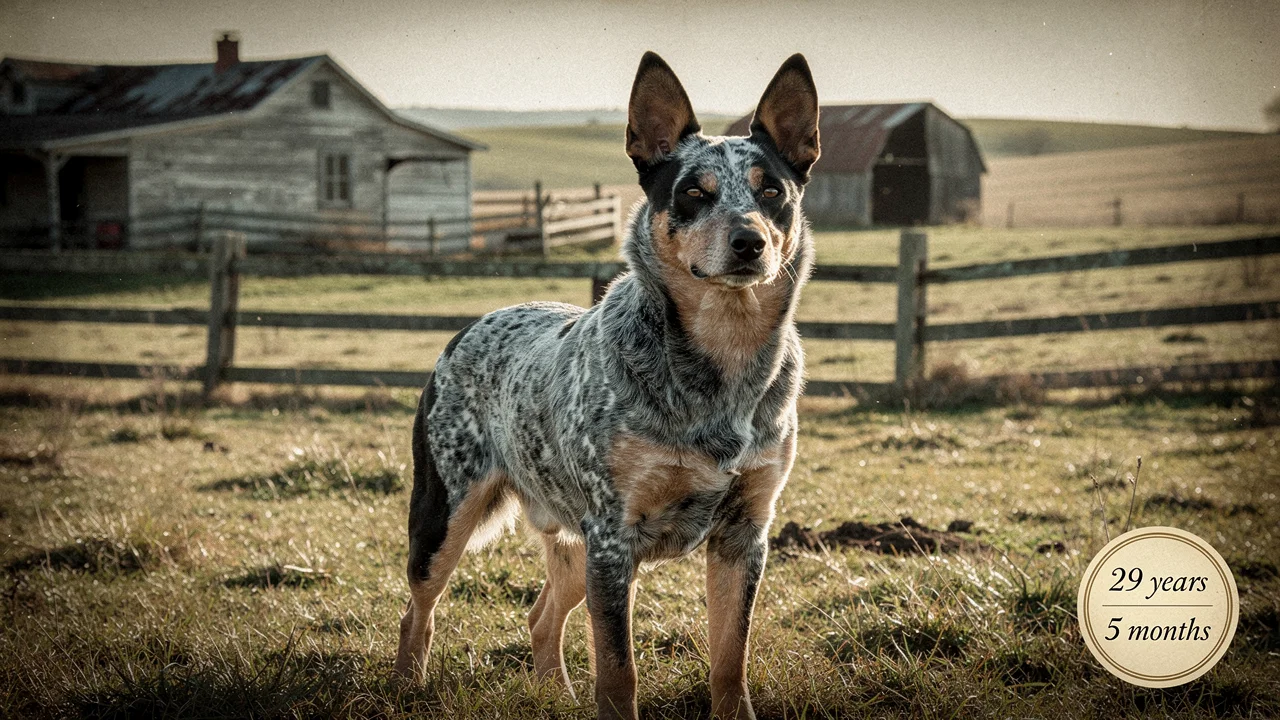
The official Guinness World Record for the oldest dog ever belongs to Bluey, an Australian Cattle Dog who lived in Victoria, Australia. Bluey was born in 1910 and worked among cattle and sheep for nearly 20 years. He passed away in 1939 at the incredible age of 29 years and 5 months.
Note: While there have been recent claims of dogs reaching 30 or 31 (like Bobi from Portugal), controversies over verification often leave Bluey as the standing undisputed champion.
What was Bluey’s secret? A combination of great genetics (Australian Cattle Dogs are tough!), a natural diet, and a life full of physical purpose and mental stimulation. Working dogs also need properly balanced diets, as explained in our large breed dog food guide.
Herding dogs with strong working instincts also appear in comparisons like Australian Shepherd vs Cattle Dog.
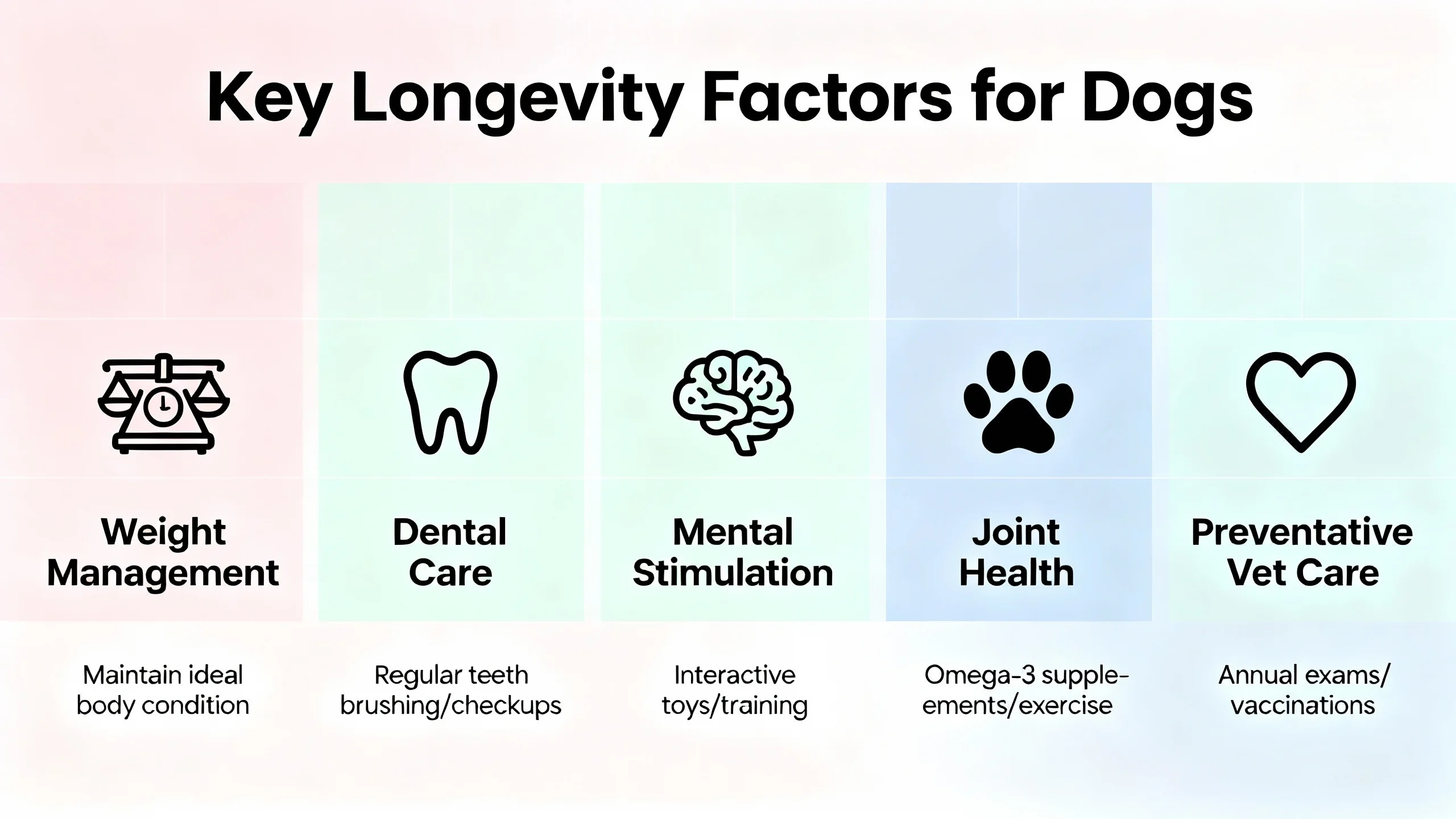
🧬 Decoding the Canine Longevity Factors
If you already have a dog, you can’t change their breed. But you can influence the environmental factors that help them reach that upper age limit.
- Weight Management: This is the big one. Obesity steals years from dogs. Keeping your dog lean reduces the strain on their organs and joints.
- Dental Health: It sounds minor, but gum disease leads to heart and kidney disease. Brushing those teeth can literally add years to their life.
- Mental Stimulation: A bored dog ages faster. Puzzle toys, scent walks, and training tricks keep the brain plastic and young. Mental stimulation can even come through varied experiences, such as safe dog car travel that exposes dogs to new environments.
- Preventative Care: Regular vet checkups catch the “silent killers” (like kidney disease or hypertension) before they become unmanageable. Preventative care also means avoiding dangerous foods, as we listed in 22 foods that can kill your dog.
Size affects how dogs age, but common health problems across breeds also play a major role in longevity.
Maintaining a healthy weight is crucial, and charts like our Golden Retriever feeding chart illustrate how structured feeding supports longevity.

❤️ For The Senior Dog Owners: Quality Over Quantity
If you are reading this and you already have a senior dog (perhaps one of the breeds listed above!), your goal is likely shifting from “how long can they live” to “how well can they live.”
As dogs enter the double digits, their needs change. Their joints get stiffer, their energy dips, and their cognitive function can get a bit “foggy.” This is a natural part of the small dog lifespan, but it doesn’t mean they have to suffer.
Modern veterinary science has given us tools to make the golden years truly golden.
The Role of Supplements
Just like humans take vitamins to support ageing bodies, senior dogs benefit immensely from targeted nutrition.
- Joint Support: Glucosamine and Chondroitin are essential for rebuilding cartilage that wears down over a decade of fetch. Joint supplements, like those explored in our best dog joint supplements guide, can significantly improve mobility in older dogs.
- Cognitive Support: Antioxidants and Omega-3s help clear the “brain fog” and keep them alert and responsive to you. Some senior dogs also benefit from gentle calming aids, as discussed in our guide to the best calming products for dogs.
- Vitality: specialised senior blends help maintain muscle mass and energy levels.
For trusted UK guidance, the PDSA also provides helpful advice on exercising your senior dog, which supports mobility, joint health, and overall longevity.
Frequently Asked Questions
Which dog has the longest lifespan?
The Chihuahua has one of the longest lifespans among dog breeds, often living up to 15-20 years.
How long does 1 hour feel to a dog?
One hour feels like approximately four to five hours to a dog.
Has a dog ever lived 40 years?
No, dogs typically live up to 15 years, with some exceptions in rare cases. A 40-year lifespan for a dog is not documented.
Can my dog live for 20 years?
It is uncommon for dogs to live for 20 years, though some small breeds may reach that age with proper care. The average lifespan for most dogs ranges from 10 to 15 years.
