
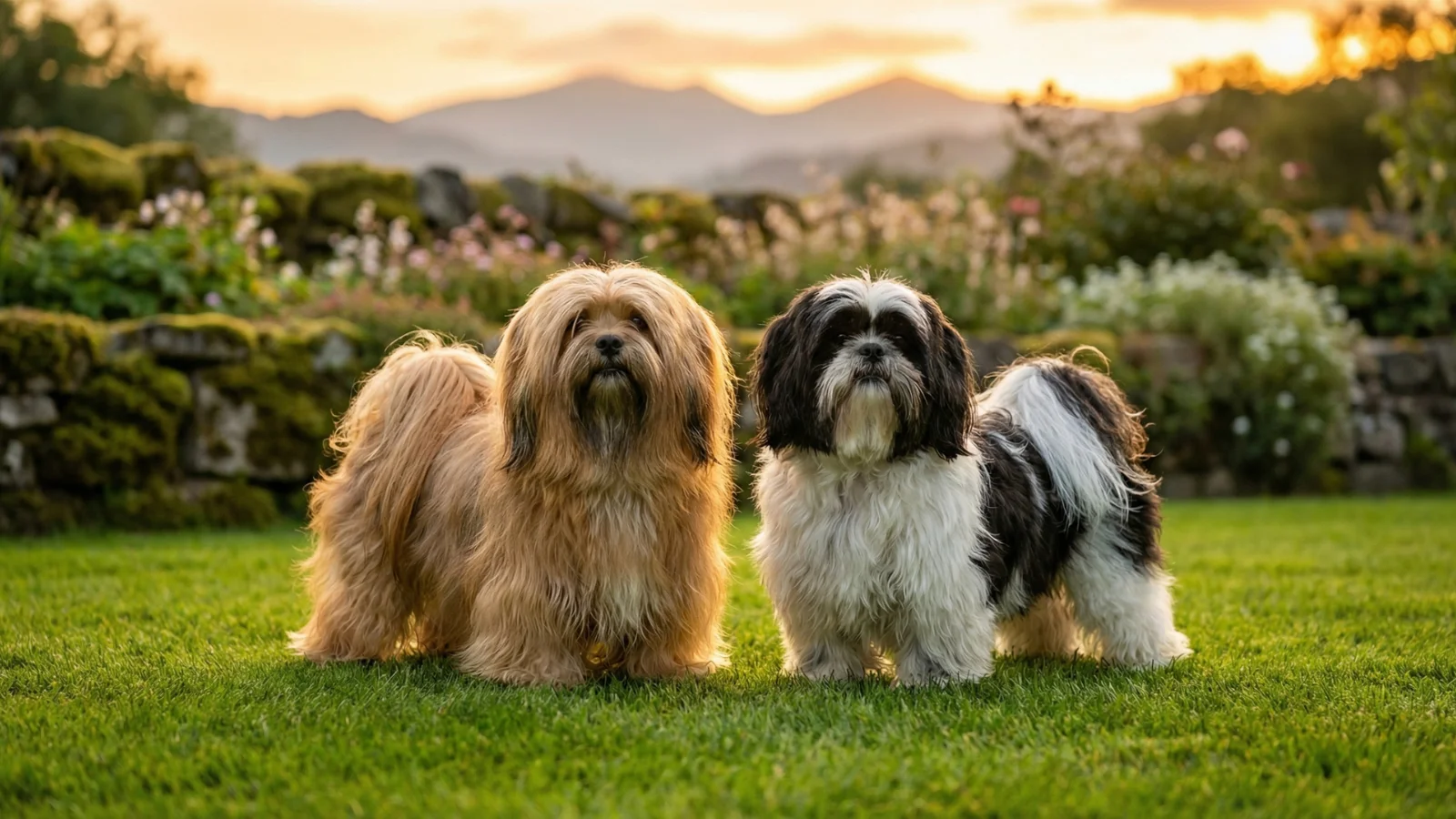
If you are looking for a small, long-haired, and endlessly charming canine companion, you have likely narrowed your search down to two ancient and royal breeds. At first glance, the visual similarities between these two stunning dogs are undeniable. Both boast luxurious, flowing coats, curled tails, and a sturdy, compact build that defies their small stature. However, choosing the right dog requires looking far beyond the surface.
For prospective dog owners trying to decide which breed to bring home, understanding the core difference between the Lhasa Apso and Shih Tzu breeds is absolutely essential. While they may share common ancestors and similar grooming requirements, their personalities, historical purposes, and daily needs are surprisingly distinct. This comprehensive guide will break down everything you need to know about these two incredible breeds, ensuring you make an informed, responsible decision for your family and your future furry friend.
TABLE OF CONTENTS
The Main Difference Between Lhasa Apso and Shih Tzu
Key Takeaways: The 7 Critical Differences
- Origins & Purpose: The Lhasa Apso was bred as a vigilant sentinel for Tibetan monasteries, while the Shih Tzu was bred purely as an affectionate lapdog for Chinese emperors.
- Temperament: Lhasas are independent, loyal, and naturally wary of strangers. Shih Tzus are highly sociable and view everyone as a friend.
- Facial Structure: A Lhasa Apso has a slightly longer snout and narrower skull. The Shih Tzu has a round head with a flat, brachycephalic face.
- Coat Texture: To survive Himalayan winters, the Lhasa developed a hard, dense outer coat. The Shih Tzu features a softer, silkier, and more flowing double coat.
- Trainability: While both are intelligent, the Lhasa Apso has a stubborn, independent streak, whereas the Shih Tzu is generally more eager to please.
- Nutritional Needs: Lhasas require strict weight management to prevent severe spinal stress, while Shih Tzus need carefully measured portions due to their lower activity levels and overheating risks.
- Health Risks: The sturdy Lhasa is prone to IVDD (spinal issues) and eye conditions like PRA. The flat-faced Shih Tzu frequently battles breathing difficulties, overheating, and dental overcrowding.
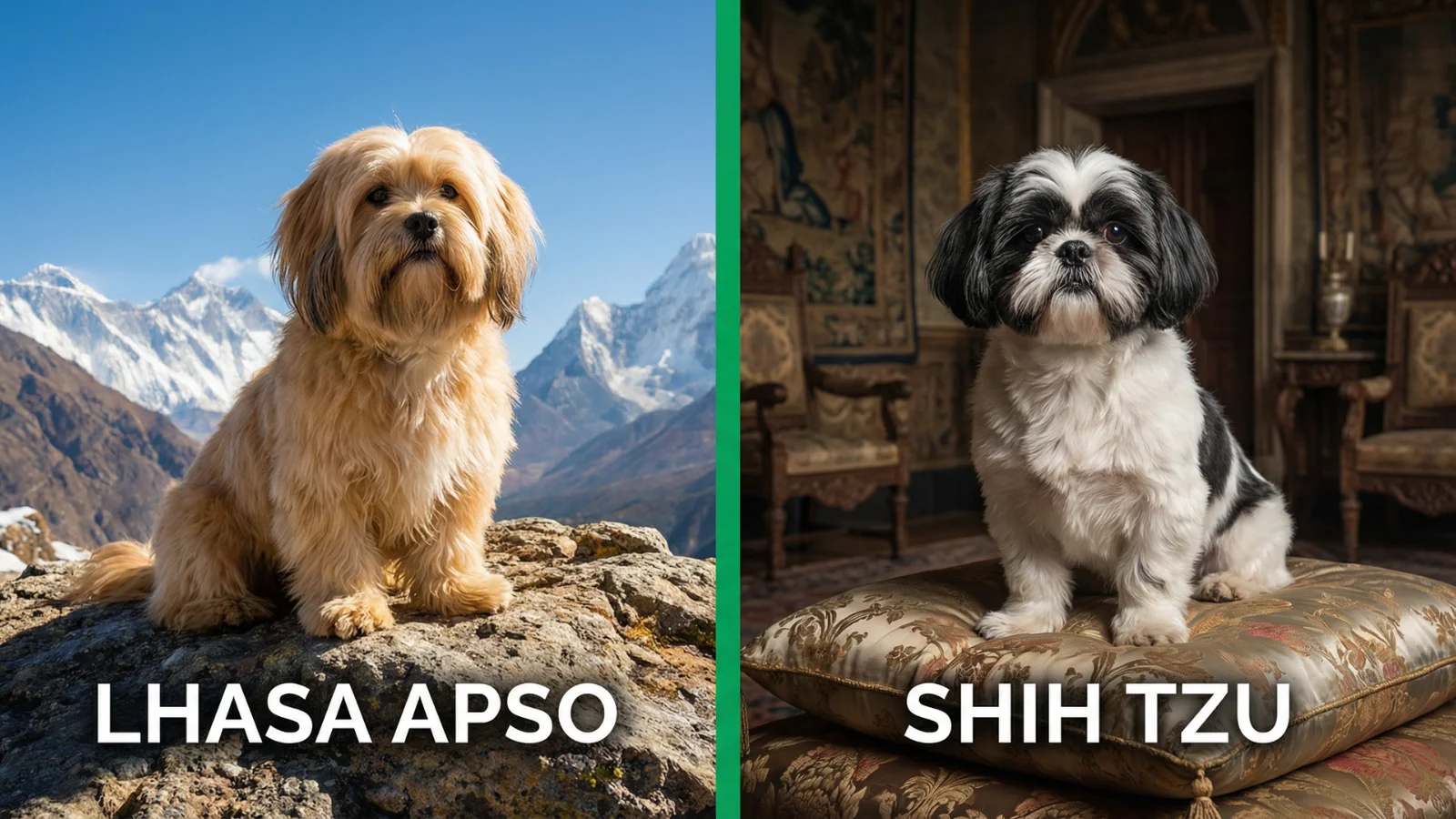
To truly understand these dogs, you have to look at their history. The most fundamental difference between Lhasa Apso and Shih Tzu dogs lies in their original breeding purposes, which heavily dictate their physical structure and modern-day instincts.
The Lhasa Apso originated in the high Himalayan mountains of Tibet over a thousand years ago. They were not bred to be mere lapdogs; they were interior sentinels. Their primary job was to guard Buddhist monasteries and alert the monks to any approaching strangers. This guard-dog heritage means they are naturally more alert, robust, and wary of unfamiliar faces. Physically, the Lhasa Apso has a slightly longer snout and a narrower skull, which was functional for their environment.
The Shih Tzu, on the other hand, is widely believed to be the result of crossing the Lhasa Apso with the Pekingese in the Chinese imperial courts. The Chinese emperors did not need guard dogs; they wanted affectionate, entertaining companions. Therefore, the Shih Tzu was bred purely for royalty to love and hold. This breeding gave them a broader, rounder “apple” head, a distinctively shorter, flatter muzzle (brachycephalic), and large, expressive, round eyes.
Lhasa Apso vs Shih Tzu Temperament: A Detailed Look
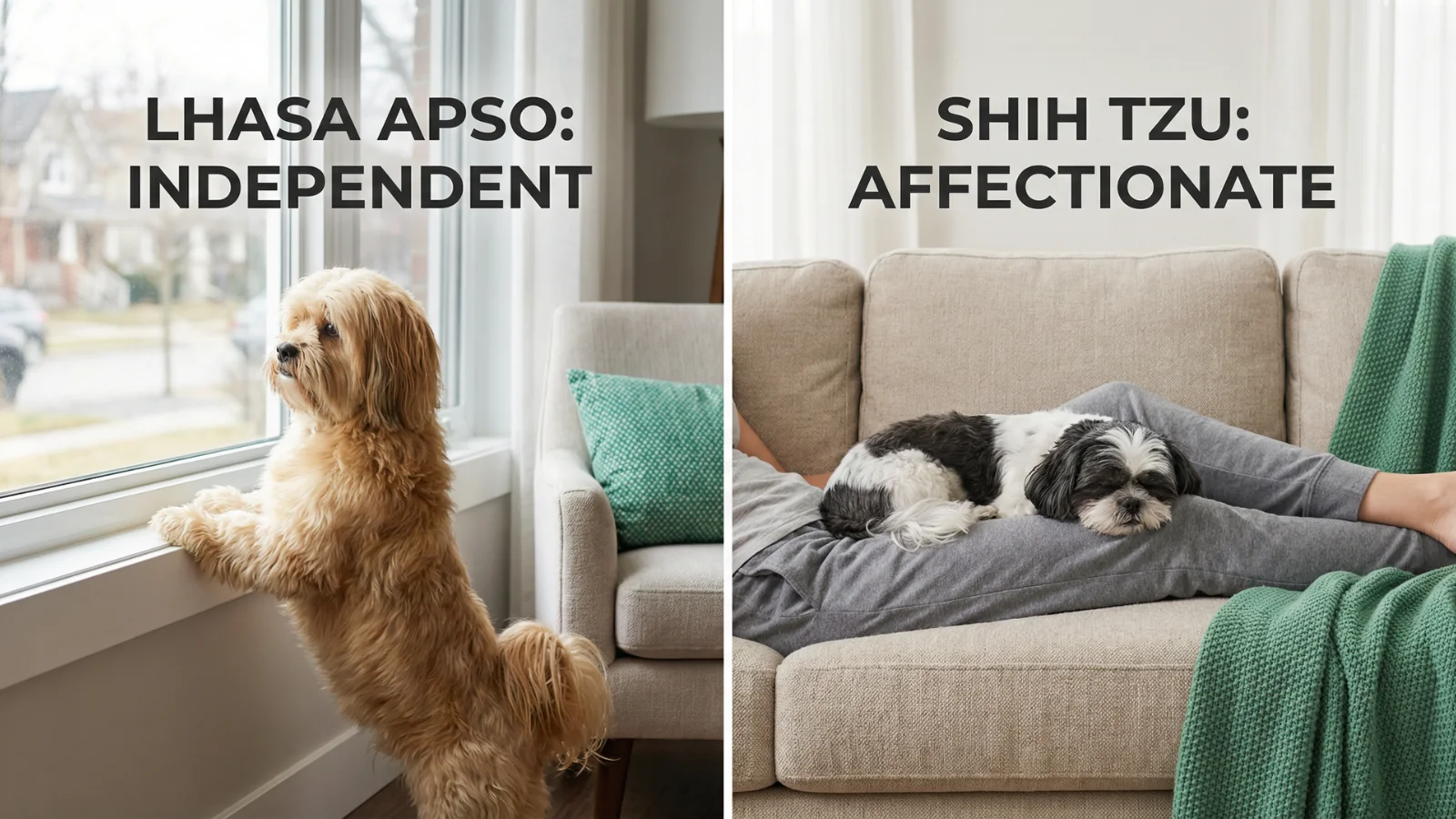
When comparing the Lhasa Apso and Shih Tzu temperaments, the divergence in their historical roles becomes clear. While both are loving toward their families, the way they interact with the world around them is vastly different.
The Independent Guardian: Lhasa Apso Personality
Because they were bred as alarm dogs, Lhasa Apsos possess a surprisingly large personality inside a small frame. They are deeply loyal to their primary family members but can be decidedly aloof and suspicious of strangers. A Lhasa Apso will likely bark to announce a visitor and may take their time deciding if a new person is trustworthy.
They are highly independent thinkers. While they enjoy being near you, they do not constantly demand to be in your lap. They are perfectly content to sit across the room, keeping a watchful eye on the household. This independence makes them slightly better suited for owners who work standard hours, as they are less prone to severe separation anxiety compared to more dependent toy breeds.
The Affectionate Companion: Shih Tzu Personality
The Shih Tzu is the quintessential companion dog. Their entire world revolves around being close to their humans. They are incredibly affectionate, outgoing, and tend to view every stranger as a friend they simply haven’t met yet. If a burglar were to enter your home, a Shih Tzu is more likely to greet them with a wagging tail than a warning bark.
Because they thrive on human interaction, they are incredibly playful and love to be the centre of attention. However, this deep need for companionship means they do not do well when left alone for long periods. A Shih Tzu thrives in a household where someone is home for most of the day, making them excellent companions for remote workers, retirees, or large families.
Physical Characteristics and Grooming Needs
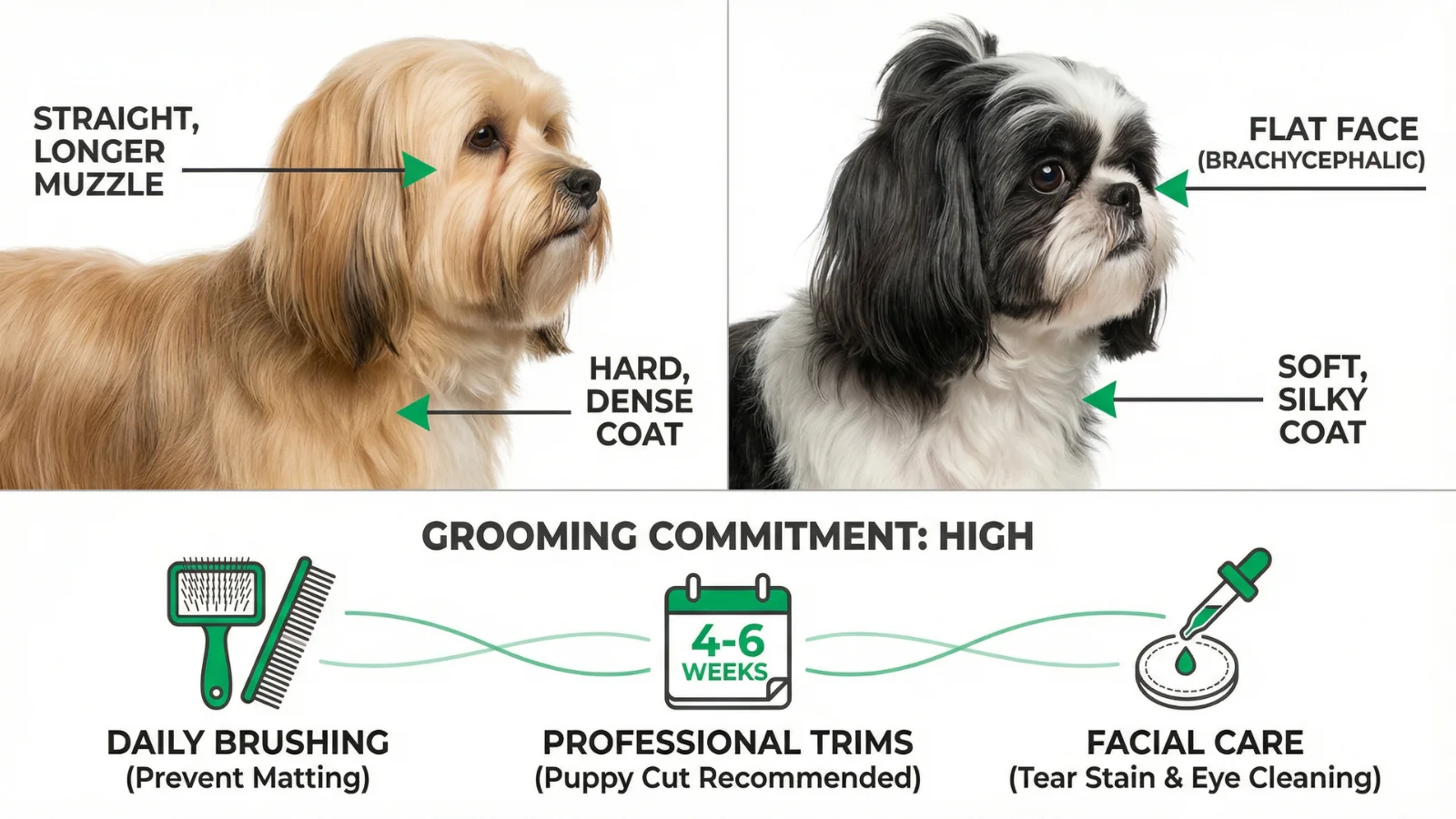
Both breeds require a serious commitment to grooming. If you plan to keep their coats long in the traditional show style, you must be prepared for daily brushing to prevent painful matting; therefore, understanding the different types of brushes for dogs is crucial for managing their unique double coats. Many pet owners opt for a “puppy cut” to make maintenance easier, but this still requires professional grooming every four to six weeks.
Shih Tzus usually require more intensive grooming because their long coat grows continuously and tangles easily. Lhasa Apsos also need regular brushing, but their coat texture is slightly coarser and less prone to matting. Owners should also choose the right grooming tools, such as a brush designed for long double coats.
| Feature | Lhasa Apso | Shih Tzu |
| Height | 10 to 11 inches | 9 to 10.5 inches |
| Weight | 12 to 18 pounds | 9 to 16 pounds |
| Snout | Slightly longer, straight | Flat, brachycephalic |
| Coat Texture | Hard, straight, dense | Soft, silky, flowing |
| Energy Level | Moderate | Low to Moderate |
While their coats look similar, their textures differ. The Lhasa Apso has a harder, denser outer coat designed to protect them from harsh Tibetan winters. The Shih Tzu has a softer, silkier double coat. Both breeds are considered low-shedding and are often recommended for allergy sufferers, though no dog is truly 100% hypoallergenic.
If you are drawn to small companion breeds but prefer dogs with shorter coats rather than flowing hair, you should also read our comprehensive breakdown of the Pug dog vs French Bulldog to see which fits your lifestyle.
Trainability and Intelligence Levels
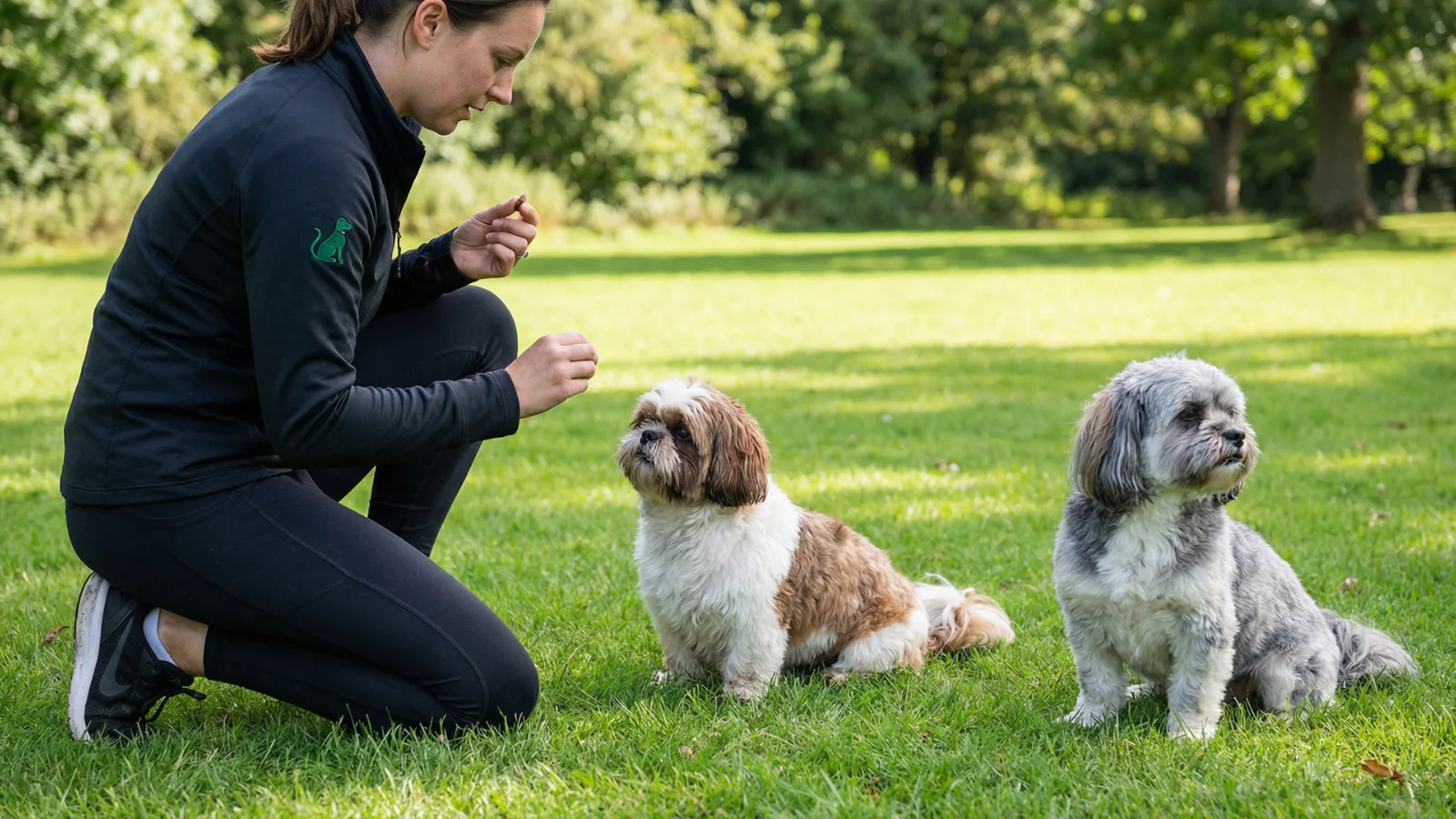
When it comes to training, both breeds are intelligent, but their willingness to obey commands varies significantly due to their distinct temperaments.
The Lhasa Apso is highly intelligent but possesses a stubborn, independent streak. They were bred to make their own decisions while guarding monasteries, which translates to a dog that might understand your command but will weigh whether or not they actually want to follow it. Training a Lhasa requires immense patience, consistency, and positive reinforcement.
The Shih Tzu is generally more eager to please. Because they are so strongly motivated by human affection and praise, they tend to pick up on basic obedience slightly faster than the Lhasa. However, they can still have a stubborn side, particularly when it comes to housebreaking, which is notoriously challenging for many toy breeds. Consistent, gentle training from puppyhood is vital for both dogs.
Nutritional Needs for Toy Breeds
When comparing these two ancient breeds, it is easy to focus purely on grooming and temperament, but their metabolic needs are equally critical. From a canine nutritional science perspective, toy breeds process energy differently than larger dogs. Because they have a significantly faster metabolic rate, both breeds require calorie-dense, high-quality nutrition formulated specifically for smaller digestive tracts and mouths.
For the Lhasa Apso, keeping them at an optimal weight is a non-negotiable health requirement. Because of their long spine, even carrying a few extra pounds puts immense stress on their back, significantly increasing their risk of developing Intervertebral Disc Disease (IVDD). If you are unsure where to start, our comprehensive review of the best dog food for small breeds breaks down the ideal protein-to-fat ratios to support their dense double coats and robust bone structure.
The Shih Tzu, being naturally less active and highly prone to lounging, is notoriously susceptible to weight gain. Furthermore, as a brachycephalic (flat-faced) breed, they are highly susceptible to breathing difficulties and prone to overheating. This makes exercising off excess weight incredibly difficult—and sometimes dangerous—during warmer months. Strict portion control is essential. According to guidelines provided by the UK Kennel Club, toy breeds should have their daily caloric intake carefully measured rather than being free-fed.
Health Considerations and Lifespan
Both the Lhasa Apso and the Shih Tzu are relatively healthy breeds with long lifespans, frequently living into their mid-teens. However, their physical anatomies predispose them to specific, distinct health challenges that prospective owners must be aware of, much like many other dog breeds with common health problems.
Common Health Issues in Lhasa Apsos
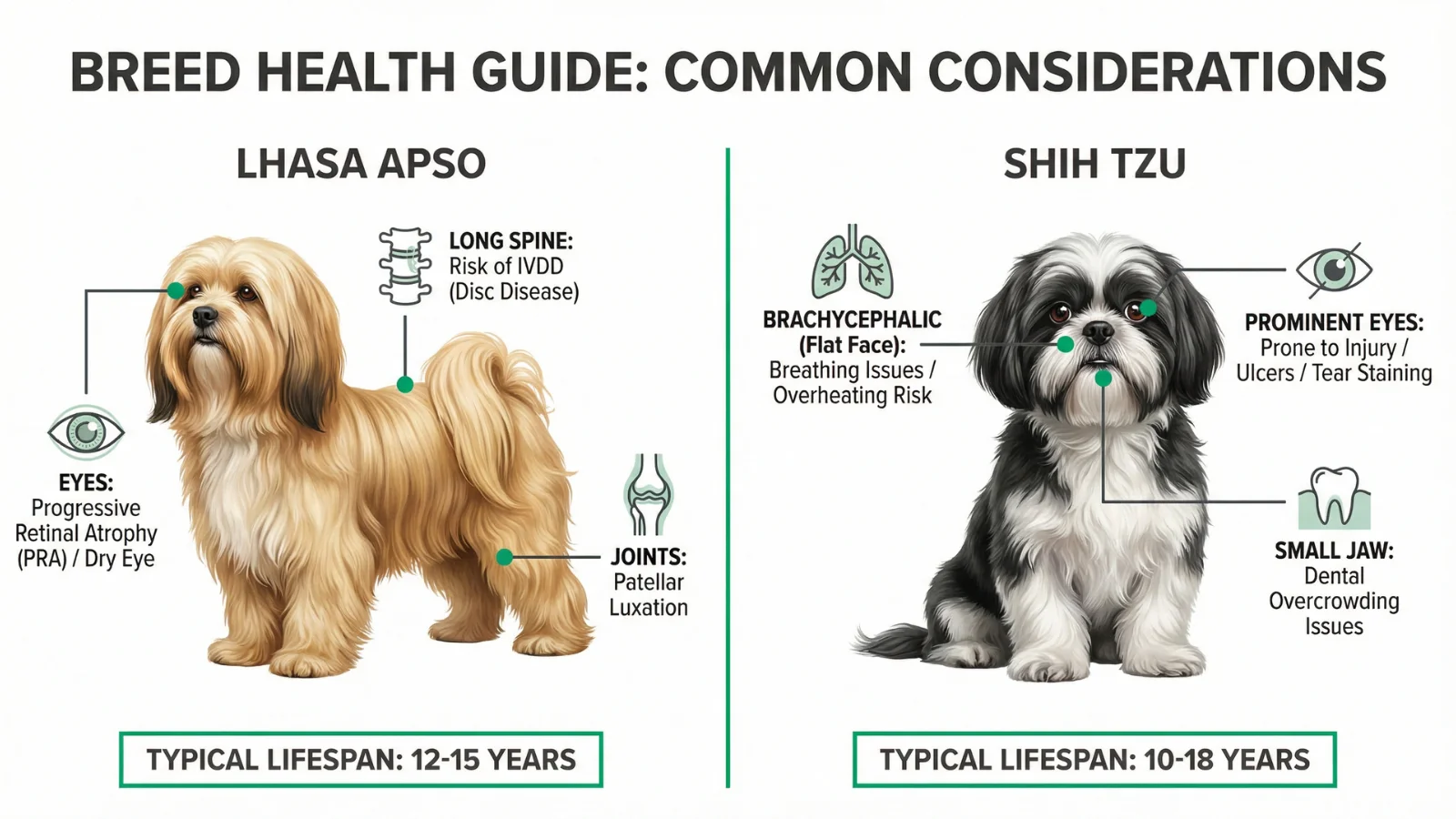
The Lhasa Apso is generally the more robust of the two breeds. Their longer snouts mean they do not suffer from the breathing issues common in flat-faced dogs. However, they are prone to hereditary eye conditions, such as Progressive Retinal Atrophy (PRA) and dry eye. They can also suffer from patellar luxation (slipping kneecaps) and, due to their long backs, they are at risk for Intervertebral Disc Disease (IVDD). Keeping them at a healthy weight is crucial to reducing stress on their spine and joints.
Common Health Issues in Shih Tzus
The Shih Tzu’s adorable flat face comes with a set of health compromises. As a brachycephalic breed, they are highly susceptible to breathing difficulties and are more vulnerable to overheating, so they need careful temperature management during warm weather. Their prominent, shallow-set eyes are easily scratched or injured and are prone to tear staining and cataracts.
Like the Lhasa, the Shih Tzu is highly prone to dental issues due to tooth overcrowding in their proportionally small jaws. Preventing periodontal disease is an absolute necessity for this breed. If your dog resists a traditional toothbrush, incorporating the best dog plaque removers into their daily routine, alongside learning how to clean dog teeth without brushing, will help maintain their oral hygiene and prevent costly veterinary procedures down the line.
Shih Tzu or Lhasa Apso: Making Your Final Choice
Ultimately, deciding whether a Shih Tzu or Lhasa Apso is the right dog for you comes down to matching their distinct personalities and physical needs to your daily lifestyle.
If you are looking for a sturdy, independent, and fiercely loyal watchdog who doesn’t mind spending a few hours alone, the Lhasa Apso is an exceptional choice. They bring a quiet dignity and protective spirit to the home. Conversely, if you want a highly sociable, deeply affectionate lapdog whose primary goal in life is to be your constant shadow, the Shih Tzu will bring endless joy and warmth to your home, frequently ranking among the best family dogs in the UK.
Both breeds are magnificent, historical companions. Small companion breeds are also known for their impressive longevity compared with many larger dogs, which is one reason they frequently appear among the dogs with the longest lifespan. By understanding their unique traits, grooming demands, temperament differences, and health considerations, you can ensure that whichever dog you choose will be a happy, thriving member of your household for many years.
Frequently Asked Questions
What is the main difference between a Lhasa Apso and a Shih Tzu?
The main difference is their historical purpose and temperament. The Lhasa Apso was bred in Tibet as a vigilant guard dog, making them independent and wary of strangers. The Shih Tzu was bred in Chinese royal palaces strictly as a lapdog, making them highly affectionate, outgoing, and friendly to everyone.
While they share a similar long-haired appearance, the Lhasa Apso has a slightly longer snout and a harder, denser coat, whereas the Shih Tzu has a flat, brachycephalic face and a softer, silkier coat.
Which breed is bigger: the Lhasa Apso or the Shih Tzu?
The Lhasa Apso is slightly larger and heavier than the Shih Tzu. A mature Lhasa Apso typically stands 10 to 11 inches tall and weighs between 12 and 18 pounds. In contrast, the Shih Tzu usually stands 9 to 10.5 inches tall and weighs between 9 and 16 pounds.
Though the size difference is minimal, the Lhasa Apso has a sturdier, more robust bone structure due to its history surviving the rugged terrain of the Himalayan mountains.
Are Lhasa Apsos or Shih Tzus better for families with children?
The Shih Tzu is generally the better choice for families with young children. Because they were bred solely for companionship, Shih Tzus are highly sociable, resilient, and playful lapdogs that thrive on human interaction and tolerate busy households well.
Lhasa Apsos, while deeply loyal, have a strong independent streak and are easily startled by sudden chaos. They are less tolerant of ear or tail pulling and are much better suited for households with adults or older, respectful children who understand canine boundaries.
Which dog barks more, the Shih Tzu or the Lhasa Apso?
The Lhasa Apso barks significantly more than the Shih Tzu. Because Lhasa Apsos were originally bred to be sentinel dogs for Buddhist monasteries, they are naturally hardwired to bark and alert their owners to any unfamiliar sounds or approaching strangers.
Shih Tzus may bark occasionally during play or when someone knocks on the door, but they are generally quiet dogs. A Shih Tzu is far more likely to greet a stranger with a wagging tail than a warning bark.
What are the differences in grooming a Shih Tzu vs. a Lhasa Apso?
While both breeds require intensive grooming, their coat textures are different. The Lhasa Apso has a heavy, straight, and hard double coat designed to withstand harsh winters. The Shih Tzu has a luxurious, soft, and flowing double coat. Both dogs require daily brushing to prevent severe matting if kept in a long show coat. Most pet owners choose a shorter “puppy cut” for both breeds, requiring professional grooming every four to six weeks.
What is the lifespan of a Lhasa Apso compared to a Shih Tzu?
Both breeds are exceptionally long-lived, often living well into their mid-teens. The Lhasa Apso has an average lifespan of 12 to 15 years, while the Shih Tzu has a slightly broader expected lifespan of 10 to 18 years.
