
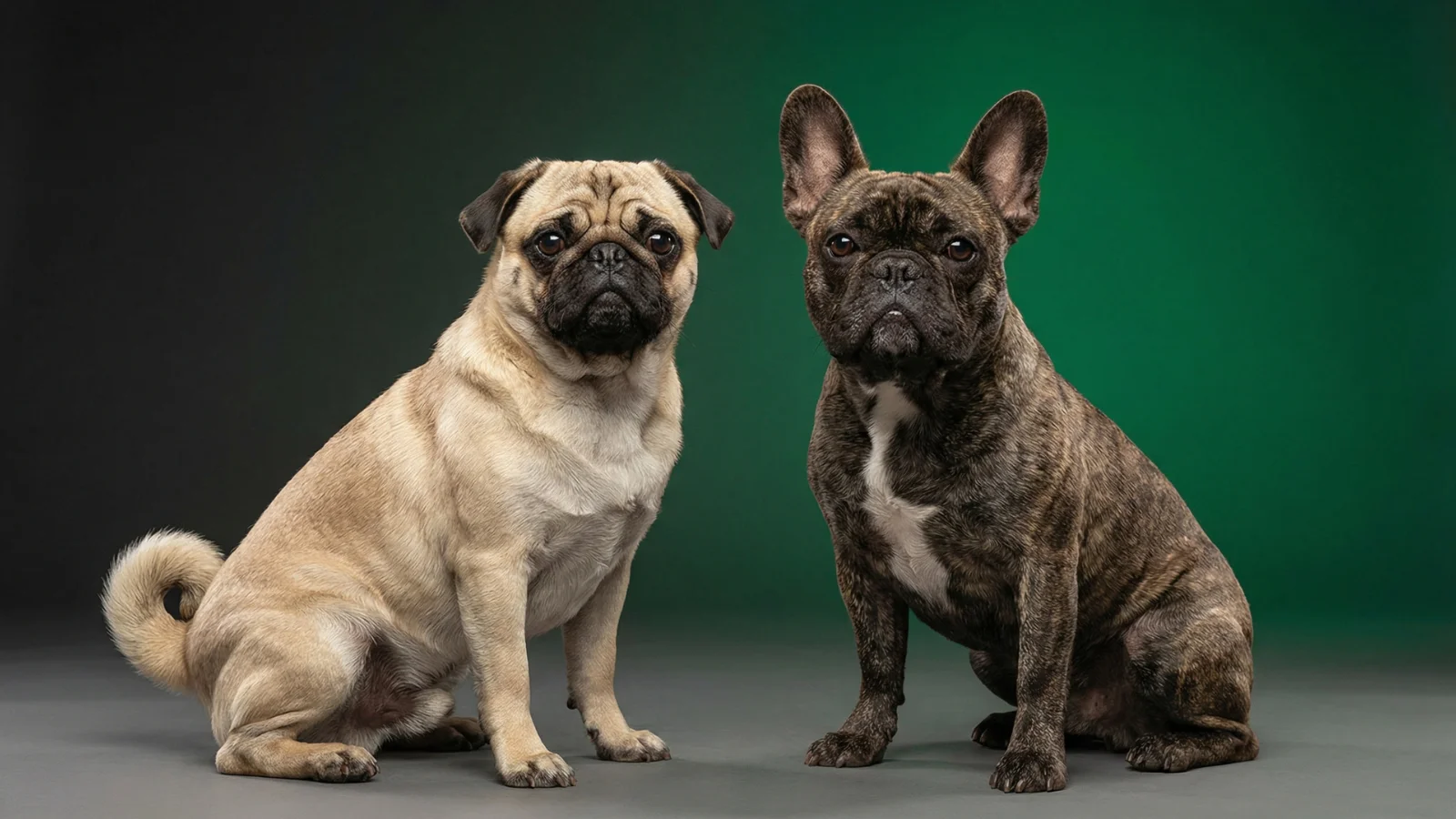
Choosing to bring a new dog into your life is a monumental decision, and when you narrow your choices down to a Pug Dog vs French Bulldog, the choice becomes incredibly tough. Both of these exceptionally popular, flat-faced breeds have captured the hearts of dog lovers worldwide. They boast expressive faces, deeply affectionate personalities, and a compact size that makes them highly adaptable to various living environments.
However, beneath their undeniable charm lies a unique set of care requirements. As brachycephalic (flat-faced) breeds, both dogs require owners who are attentive, educated, and prepared to meet their specific needs. Here at FlexK9, we believe in providing honest, practical, and comprehensive guidance to help you make the best decision for your family and your future furry friend. Whether you live in a bustling city apartment or a spacious suburban home, understanding the nuances between these two breeds is crucial. In this comprehensive guide, we will break down everything you need to know to make an informed, responsible choice.
In simple terms, Pugs are usually more clingy, more wrinkled, and heavier shedders, while French Bulldogs are typically stockier, quieter, and more prone to spinal issues. Because moisture can get trapped in facial folds, using the best shampoo for dogs with itchy skin may help support skin comfort in dogs prone to irritation.
TABLE OF CONTENTS
Pug Dog vs French Bulldog: The 7 Biggest Differences at a Glance
If you want the short answer, the biggest differences between a Pug and a French Bulldog come down to body shape, shedding, independence, spinal risk, eye vulnerability, purchase cost, and day-to-day maintenance. Here is the quick breakdown before we go deeper.
| Feature | Pug | French Bulldog |
|---|---|---|
| Body Shape | Compact, round | Muscular, square |
| Shedding | Heavy | Moderate |
| Independence | Very dependent | Slightly independent |
| Key Health Risk | Eyes, breathing | Spine, breathing |
| Eye Sensitivity | High | Moderate |
| Purchase Cost (UK) | Lower | Higher |
| Daily Care | More grooming | More health monitoring |
History and Origins of the French Bulldog and Pug
To truly understand a dog’s personality and physical traits, it helps to look at what they were originally bred to do. The history of the French bulldog and pug reveals a lot about why they make such fantastic, people-oriented companions today.
The Pug is one of the oldest dog breeds in the world, with roots tracing back to ancient China, roughly around 400 B.C. They were bred explicitly to be lap dogs for Chinese emperors and nobility, living lives of pure luxury guarded by soldiers. This long history of being closely bonded to humans explains their deeply ingrained “velcro dog” nature; they are bred to be exactly where you are.
The French Bulldog, despite its name, actually originated in England. During the Industrial Revolution, lace makers in Nottingham kept small, toy-sized bulldogs as ratters and warm lap companions. When the lace industry moved to France, the workers took their dogs with them. In France, these dogs were crossed with local ratters and possibly terriers, eventually developing the iconic “bat ears” and compact, muscular frame we recognise today. They quickly became the darlings of Parisian society, solidifying their role as elite companion animals that are now officially recognised by The Kennel Club.
Size, Appearance, and Coat Differences
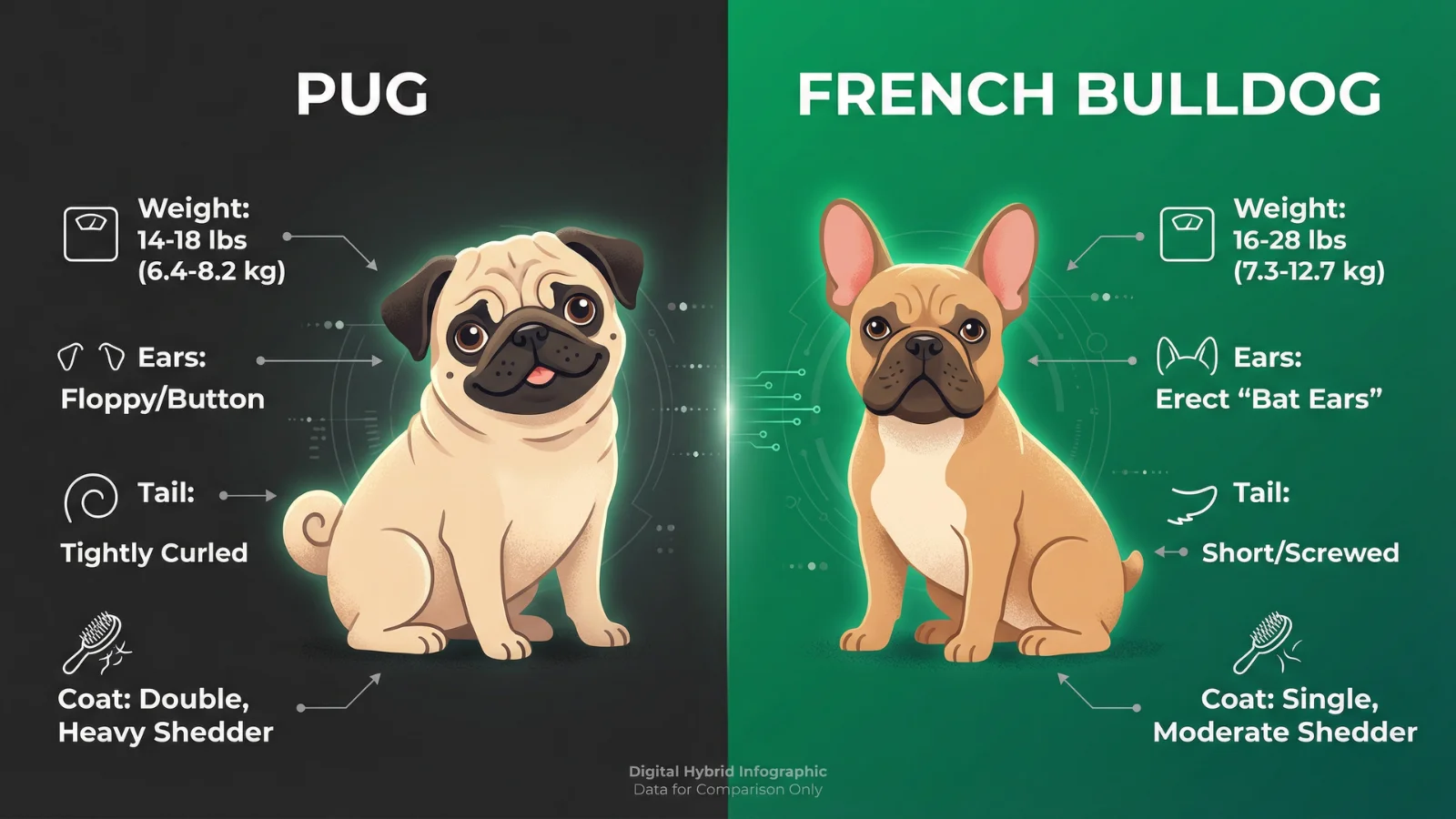
While both are small, sturdy dogs with short snouts, comparing their physical appearances reveals distinct differences. Pugs generally weigh between 14 to 18 pounds, presenting a square, cobby, and somewhat heavily wrinkled body. Their most defining features are their deeply wrinkled foreheads, large, expressive, dark eyes, and a tightly curled tail that rests right over their hip. Pugs typically come in two standard colours: fawn with a distinct black mask, and solid black.
French Bulldogs are noticeably stockier and more muscular. They typically weigh between 16 to 28 pounds, making them significantly heavier and more solidly built than Pugs, despite being similar in height. A Frenchie’s hallmark trait is their large, erect “bat ears” and a naturally short, straight, or slightly screwed tail. Their coats come in a much wider variety of colours and patterns, including brindle, fawn, cream, white, and various combinations, often with a smoother, tighter fit to their muscular frame than the Pug’s slightly looser skin.
Pugs vs French Bulldog Temperament and Personality
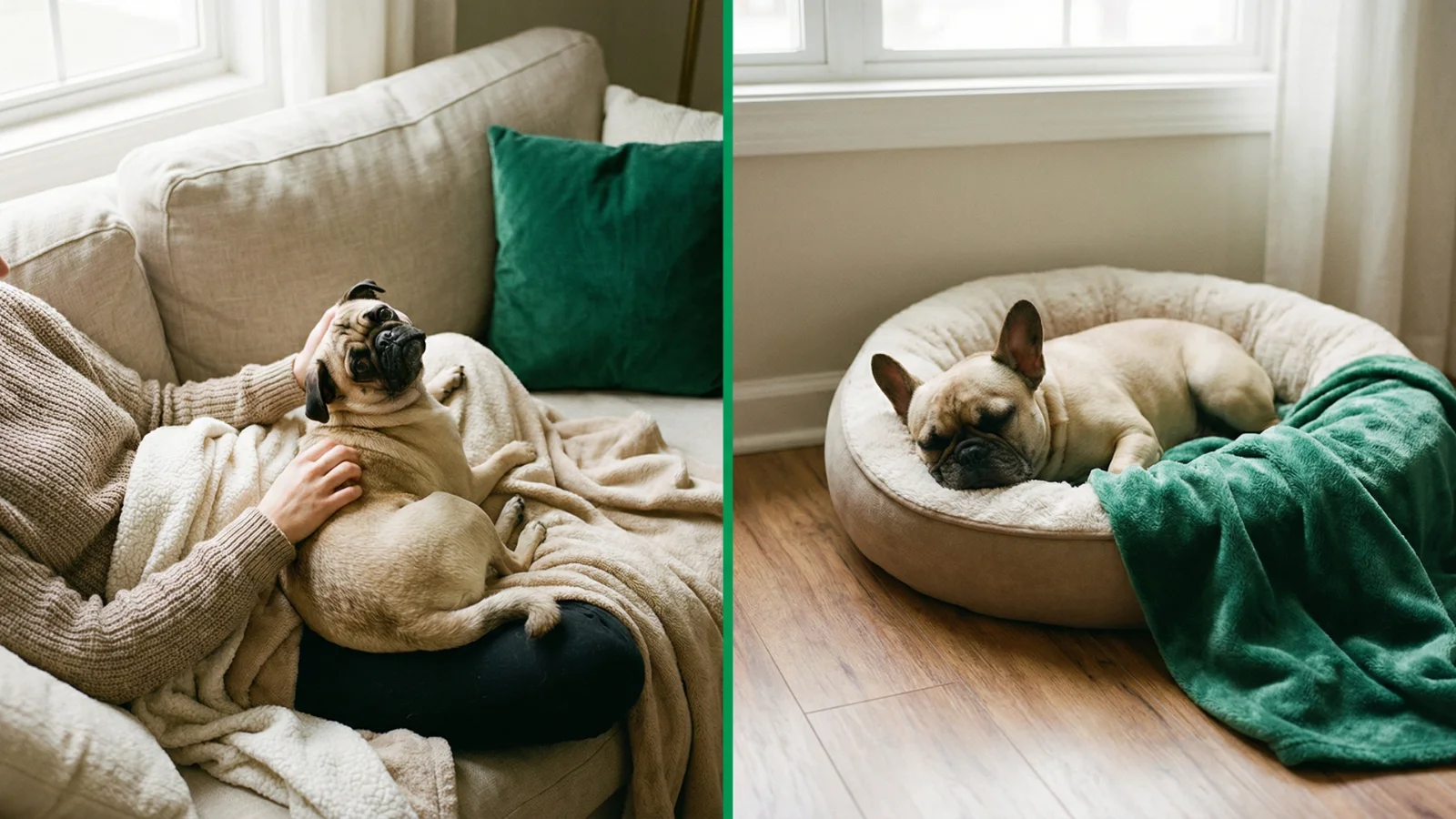
When comparing pugs vs French Bulldog personalities, you will find two incredibly loving dogs with slightly different approaches to life. Pugs are often described as the clowns of the canine world. They are highly emotive, deeply sensitive to your moods, and thrive on being the centre of attention. A Pug is not an independent dog; they want to sleep in your bed, sit on your lap while you work, and follow you from room to room. They are famously good-natured and generally get along wonderfully with other pets and children.
French Bulldogs are equally affectionate but tend to be a bit more laid-back and stoic. They are known for being quiet observers, often perfectly content to chill on the sofa while you go about your day. While they love a good play session, they are generally less demanding of your constant, undivided attention compared to a Pug. Frenchies can be slightly more territorial and possess a stubborn streak, which is a classic bulldog trait. Both breeds make excellent apartment dogs due to their low tendency to bark and their moderate indoor activity levels.
Are They Good Choices for First-Time Owners?
Yes, both breeds are often recommended for first-time dog owners because of their manageable size, low exercise requirements, and eagerness to please. However, this recommendation comes with a strong caveat: first-time owners must be willing to learn about the specific health and grooming needs of brachycephalic dogs. Their endearing personalities make them easy to love, but their physical limitations require a responsible, proactive owner who prioritises their safety and well-being above all else.
Exercise Needs for Brachycephalic Dogs
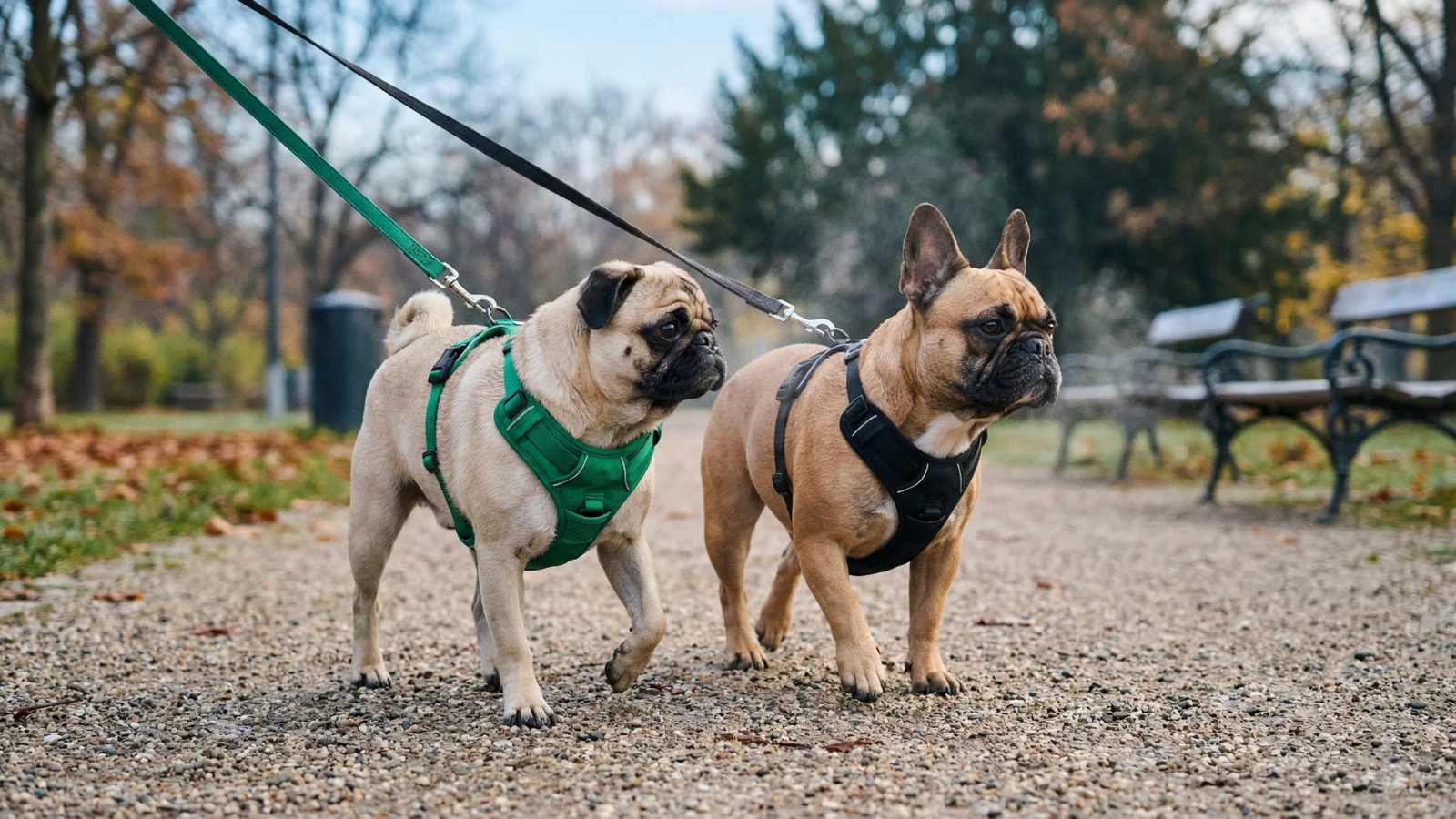
The exercise requirements for these dogs are quite similar, but they differ drastically from standard dog breeds. Neither breed is built for endurance. A 20 to 30-minute daily walk, coupled with some indoor playtime, is usually more than enough to keep them physically healthy and mentally stimulated.
Because of their flat faces, both breeds have compromised airways, making it extremely difficult for them to pant efficiently and regulate their body temperature. You must never over-exercise them, especially in warm or humid weather. On warm days, the safest approach is to walk both breeds in the early morning or later evening, when temperatures are lower, and the risk of overheating is reduced.
When deciding between a dog harness vs collar, avoid standard neck collars for either breed, as pressure on the throat can worsen breathing discomfort. A well-fitted Y-shaped harness is the safer option because it spreads pressure more evenly across the chest and shoulders.
Grooming and Daily Maintenance
Do not let their short hair fool you; both breeds require a dedicated daily maintenance routine. When deciding between the two, be aware that Pugs are notorious shedders. Fawn pugs, in particular, possess a dense double coat that sheds year-round. Because Pugs shed year-round, you will need to invest in one of the best deshedding tools for dogs and establish a routine brushing schedule to keep the hair around your home under control. French Bulldogs have a single coat and are moderate shedders, meaning the best brush for short hair dogs will make their coat maintenance slightly easier.
The most critical aspect of grooming for both breeds is fold maintenance. The adorable wrinkles on their faces trap moisture, food, and dirt, creating a perfect breeding ground for bacteria and yeast infections. You must gently clean inside their facial folds daily using a soft, damp cloth or pet-safe wrinkle wipes, ensuring you dry the area thoroughly afterwards. Additionally, both breeds are prone to dental issues due to their crowded jaws, so regular brushing and utilising the best dog plaque removers are vital parts of their daily care routine.
Because moisture can get trapped in facial folds, using the best shampoo for dogs with itchy skin may help support skin comfort in dogs prone to irritation. Both are affectionate brachycephalic breeds, but neither is a low-maintenance dog.
Pug vs French Bulldog Health Problems: What You Need to Know
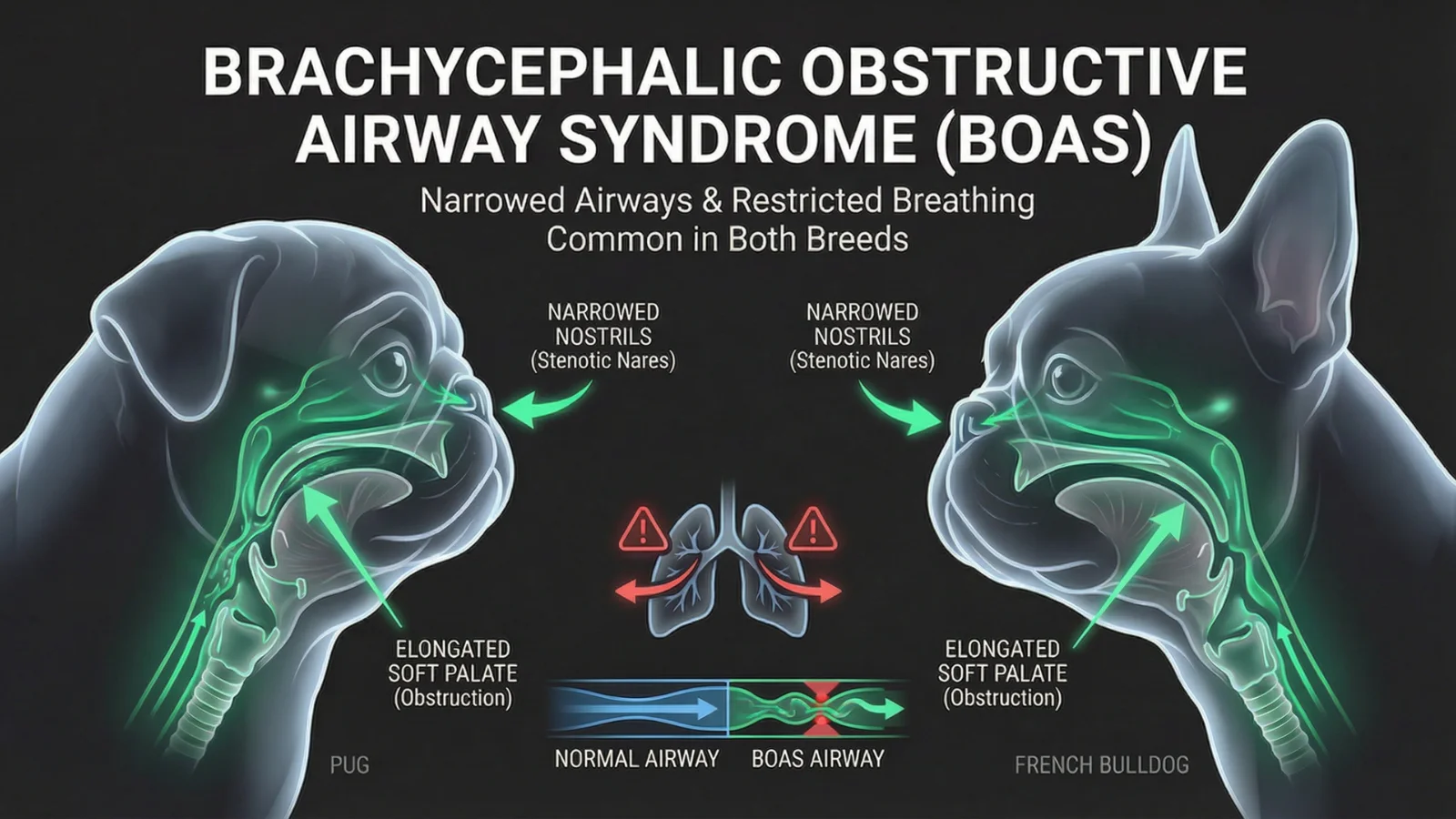
Understanding pug vs French bulldog health problems is the most crucial part of your research. Both breeds are predisposed to Brachycephalic Obstructive Airway Syndrome (BOAS), a complex respiratory condition extensively studied by institutions like the University of Cambridge’s BOAS Research Group. This condition causes breathing difficulties due to elongated soft palates, narrowed nostrils, and smaller windpipes. Snorting and snoring are common, but severe laboured breathing is a medical issue, not a cute quirk.
Pugs are particularly susceptible to eye issues. Because their eyes are prominent and shallow in their sockets, they are prone to corneal ulcers, dry eye, and injuries from simply bumping into things. Pugs also face a neurological condition called Pug Dog Encephalitis (PDE), which is specific to the breed.
French Bulldogs, due to their unique skeletal structure and compact spines, are highly prone to Intervertebral Disc Disease (IVDD), a serious spinal condition that requires vigilant monitoring. This spinal condition can cause immense pain and even paralysis. To protect their delicate backs, it is highly recommended to consider whether you need a dog ramp to prevent Frenchies from jumping off tall furniture.
For both breeds, starting with the best small breed puppy food in early life and maintaining a strict healthy weight as adults are two of the most effective practical steps an owner can take.
If you want to understand how the risks of BOAS and IVDD stack up against issues found in other popular pedigrees, explore our comprehensive guide on dog breeds common health problems.
Training and Socialisation: French Bulldog or Pug?
When deciding on a French bulldog or pug, training approaches will be fairly similar, though you may encounter different hurdles. Pugs are generally eager to please but can lose focus quickly. French Bulldogs are intelligent but often possess a stubborn, “what is in it for me?” attitude.
Both breeds are highly food-motivated, which makes positive reinforcement training highly effective. Keep training sessions incredibly short, around five to ten minutes, to prevent them from getting bored or physically fatigued.
Early socialisation is vital for both to ensure they grow into well-adjusted adults. Expose them to new people and sounds in safe environments, perhaps using the best calming products for dogs if they show initial anxiety as puppies. Harsh training methods should never be used; they will simply shut down or become fearful. Patience, consistency, and a pocket full of high-value treats are your best tools.
Which Breed Is Better for You?
If you want a playful, highly affectionate companion that thrives on constant human interaction, the Pug may feel like the better emotional match. Pugs are known for their clownish personalities and strong attachment to their owners. However, prospective owners should be prepared for heavier shedding, frequent wrinkle cleaning, and ongoing eye care due to the breed’s facial structure.
If you prefer a sturdier, more muscular companion with a slightly calmer indoor temperament, the French Bulldog may better suit your lifestyle. Frenchies often display a more relaxed household presence and tend to shed less than Pugs. That said, they frequently come with higher purchase costs and a greater risk of spinal conditions, which can lead to complex and expensive veterinary treatment in some cases.
Neither breed should be considered low-maintenance. Both require careful weight control, limited exercise during warm weather, and owners who understand the health considerations associated with brachycephalic (flat-faced) dogs. Prospective owners must also plan for the financial reality of long-term care. The PDSA advises dog owners to factor in the full lifetime cost of owning a dog, including veterinary care and comprehensive pet insurance, particularly for breeds with specialised health needs.
Ultimately, the better breed is not the one with the cuter face or the trendier reputation. It is the one whose temperament, grooming demands, health considerations, and daily care requirements genuinely align with your lifestyle and long-term commitment as an owner.
Frequently Asked Questions
Which is healthier, a Pug or a French Bulldog?
Pugs generally have a slightly longer lifespan (12–15 years) compared to French Bulldogs (10–12 years), but both breeds face significant health challenges. Because both are brachycephalic (flat-faced) breeds, they are highly prone to Brachycephalic Obstructive Airway Syndrome (BOAS) and heat intolerance. Pugs are more susceptible to severe eye injuries and obesity, while French Bulldogs carry a higher risk of spinal issues (such as IVDD) and chronic skin fold dermatitis.
Do Pugs or French Bulldogs shed more?
Pugs shed significantly more than French Bulldogs. Pugs possess a dense double coat that sheds continuously year-round, with heavier shedding during seasonal changes. In contrast, French Bulldogs have a fine, short single coat that sheds minimally. If keeping dog hair off your furniture is a top priority, the French Bulldog is the much cleaner option.
Are Pugs and French Bulldogs related?
No, Pugs and French Bulldogs are not directly related and have vastly different origins. The Pug is an ancient breed originating in China over 2,000 years ago, bred specifically as lap dogs for emperors. The French Bulldog is a much newer breed developed in the 1800s, descending from toy English Bulldogs that were crossed with local Parisian ratters.
Which breed is more expensive: Pug or Frenchie?
French Bulldogs are usually more expensive to buy upfront than Pugs in the UK. Purchase price can vary widely depending on breeder reputation, health testing, bloodline, and location, but Frenchies typically command a much higher initial price. More importantly, both breeds can generate significant ongoing veterinary costs, so buyers should budget for insurance, routine preventive care, and breed-specific health issues rather than focusing only on the puppy price.
Which is better for apartment living, a French Bulldog or a Pug?
Both breeds make excellent apartment dogs due to their compact size and low exercise needs, but French Bulldogs are slightly better for noise-restricted buildings. Frenchies are generally quieter and less prone to alert barking. Pugs are slightly more vocal and are known to bark or “yodel” at unfamiliar noises, which could be a consideration for shared living spaces.
Can Pugs and French Bulldogs be left alone during the day?
Pugs and French Bulldogs are both strongly companion-oriented breeds and can struggle with long periods alone. Without gradual training and a suitable routine, this can increase the risk of separation-related stress, vocalising, and destructive behaviour.
Can Pugs or French Bulldogs swim?
Both Pugs and French Bulldogs are poor natural swimmers and are high-risk around water because of their body shape, breathing limitations, and front-heavy build. They should always be closely supervised near pools, beaches, canals, or boats, and a well-fitted canine life jacket is strongly recommended.
