
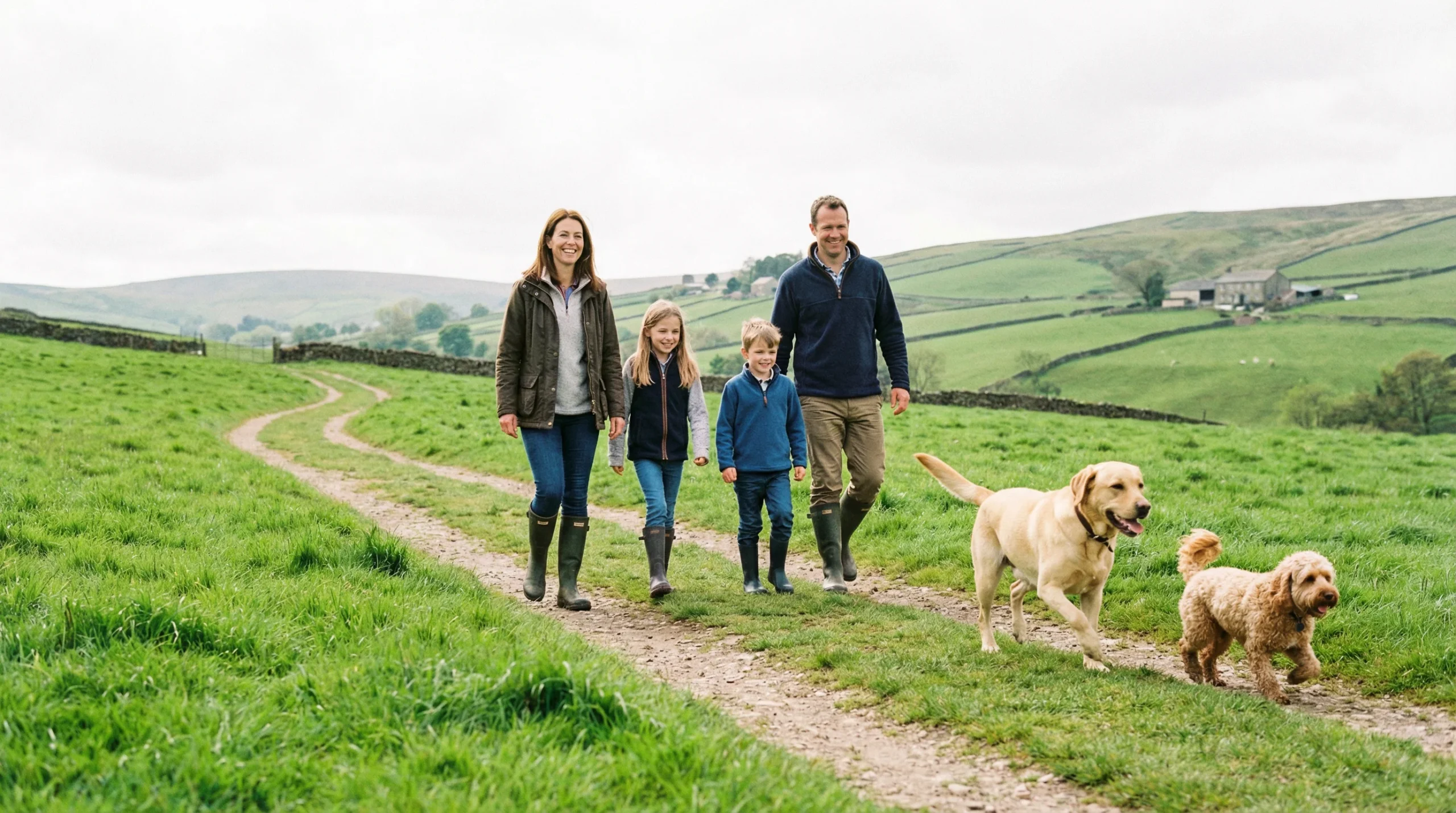
Choosing a dog is one of the most exciting decisions a family can make. But let’s be honest: it’s also one of the most difficult. In the UK alone, there are over 200 recognised breeds, not to mention the endless variety of crossbreeds and rescues.
When you search for the Best Family Dogs UK, you are often met with generic lists of “friendly dogs.” But at FlexK9, we know that “friendly” isn’t enough. A dog needs to fit your specific lifestyle—whether you live in a London flat, a semi-detached in the suburbs, or a farmhouse in the Peaks.
You need a dog that can handle the British weather, the size of your garden (if you have one), and the chaos of family life. In this comprehensive guide, we have cut through the noise to bring you the definitive, honest list of the top family dogs, prioritised by temperament, health, and suitability for UK homes.
TABLE OF CONTENTS
What Actually Makes a “Good” Family Dog?
Before we look at the breeds, we need to define the criteria. A dog isn’t a “family dog” just because it looks cute in a photo. To make our list, a breed must score highly in three specific areas:
- High Social Tolerance: Families are noisy. Kids run, scream, and drop toys. The best family dogs have a high “bother threshold”—meaning they are patient and forgiving of accidental bumps or sudden noises.
- Energy Compatibility: A high-energy Border Collie is a nightmare in a sedentary household, while a Bulldog might struggle with an active family that wants to hike every weekend. Matching energy is more important than matching size.
- Trainability: For a busy family, you need a dog that picks up basic commands (sit, stay, recall) relatively quickly.
FlexK9 Pro Tip: Ignore the “cuteness” factor for a moment. Be honest about how much time you can dedicate to walking. In the UK, that often means walking in the rain and mud. If you aren’t ready for muddy paws, consider a lower-energy breed or a specific coat type.
Breed Overview: Best Family Dogs in the UK
| Breed | Size | Energy Level | Shedding | Grooming Needs | Best For |
|---|---|---|---|---|---|
| Labrador Retriever | Large | High | High | Low | Active families with gardens |
| Cockapoo | Small–Medium | Medium | Low | High | Allergy-conscious homes |
| Staffordshire Bull Terrier | Medium | Medium | Low | Very Low | Loyal, people-focused families |
| Golden Retriever | Large | Medium | High | Medium | Gentle homes with kids |
| Cavalier King Charles Spaniel | Small | Low | Medium | Medium | Flats & quieter |
Labrador Retriever – Best All-Round Family Dog in the UK
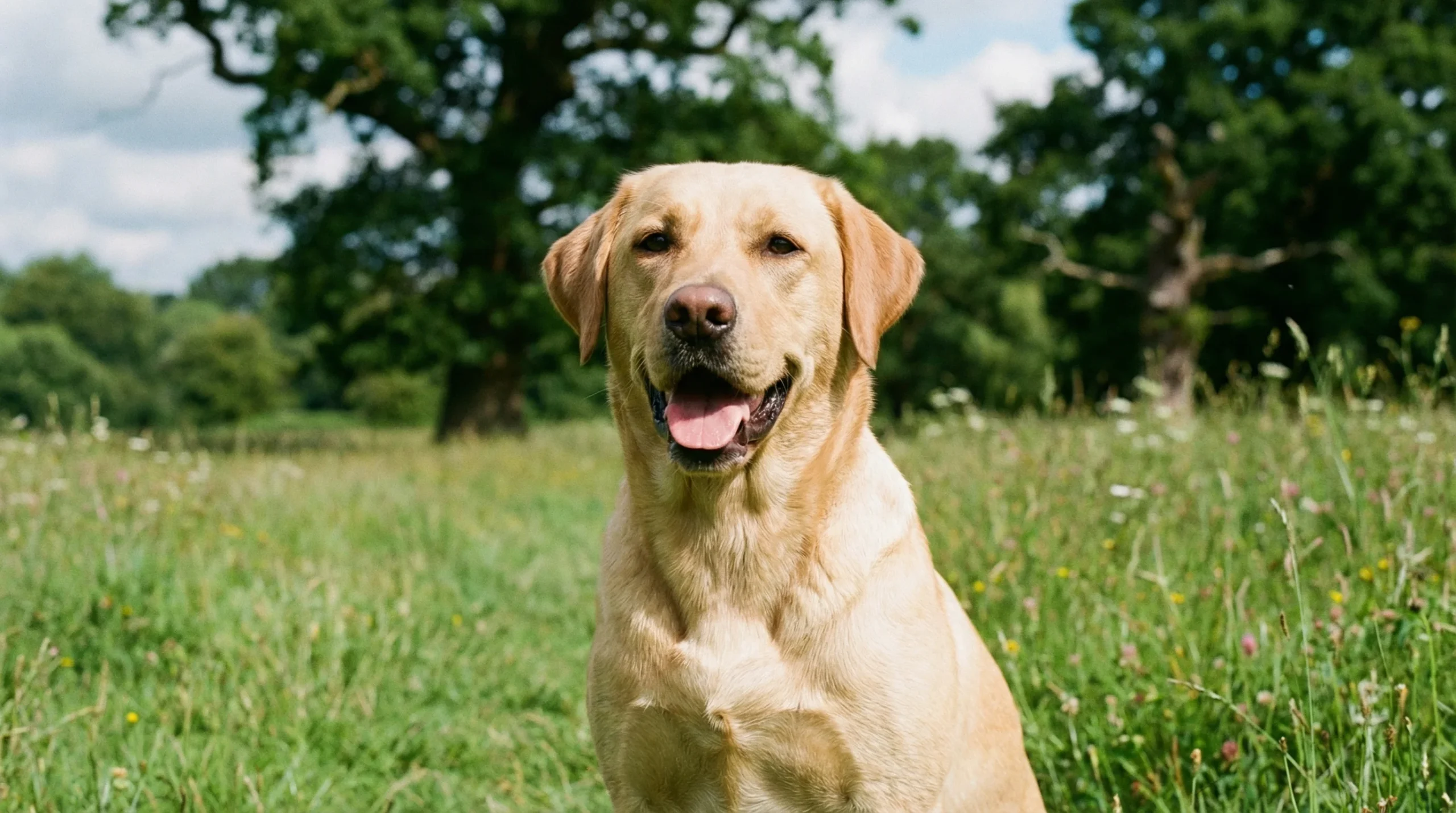
It is no surprise that the Labrador Retriever consistently tops the charts. Originating as a fisherman’s helper, they have evolved into the ultimate family companion. They are the “Swiss Army Knife” of dogs: happy, adaptable, and incredibly food-motivated.
The Good: Labradors are famously good-natured. They generally get along with other dogs, cats, and children. Their “soft mouth” (bred for retrieving game without damaging it) translates to a gentle way of playing with toys and taking treats. They are sturdy enough to handle rough-and-tumble play with older kids but gentle enough to respect a toddler’s space.
The Honest Truth: Labradors are “shedding machines.” You will find hair everywhere—on your sofa, your clothes, and in your butter. They are also prone to obesity because they love food. A bored Labrador can become destructive, chewing skirting boards or digging up the garden.
- Best For: Families with a garden and time for at least 60 minutes of exercise daily.
- Watch Out For: Hip dysplasia and obesity. Investing in high-quality Large Breed Puppy Food is essential for joint health.
Because Labradors are genetically prone to joint strain, long-term mobility is heavily influenced by nutrition, making targeted joint support an important consideration as they mature, especially for larger, fast-growing pups (see our guide to the best dog joint supplements for preventative support).
Cockapoo – Best Low-Shedding Family Dog for UK Homes
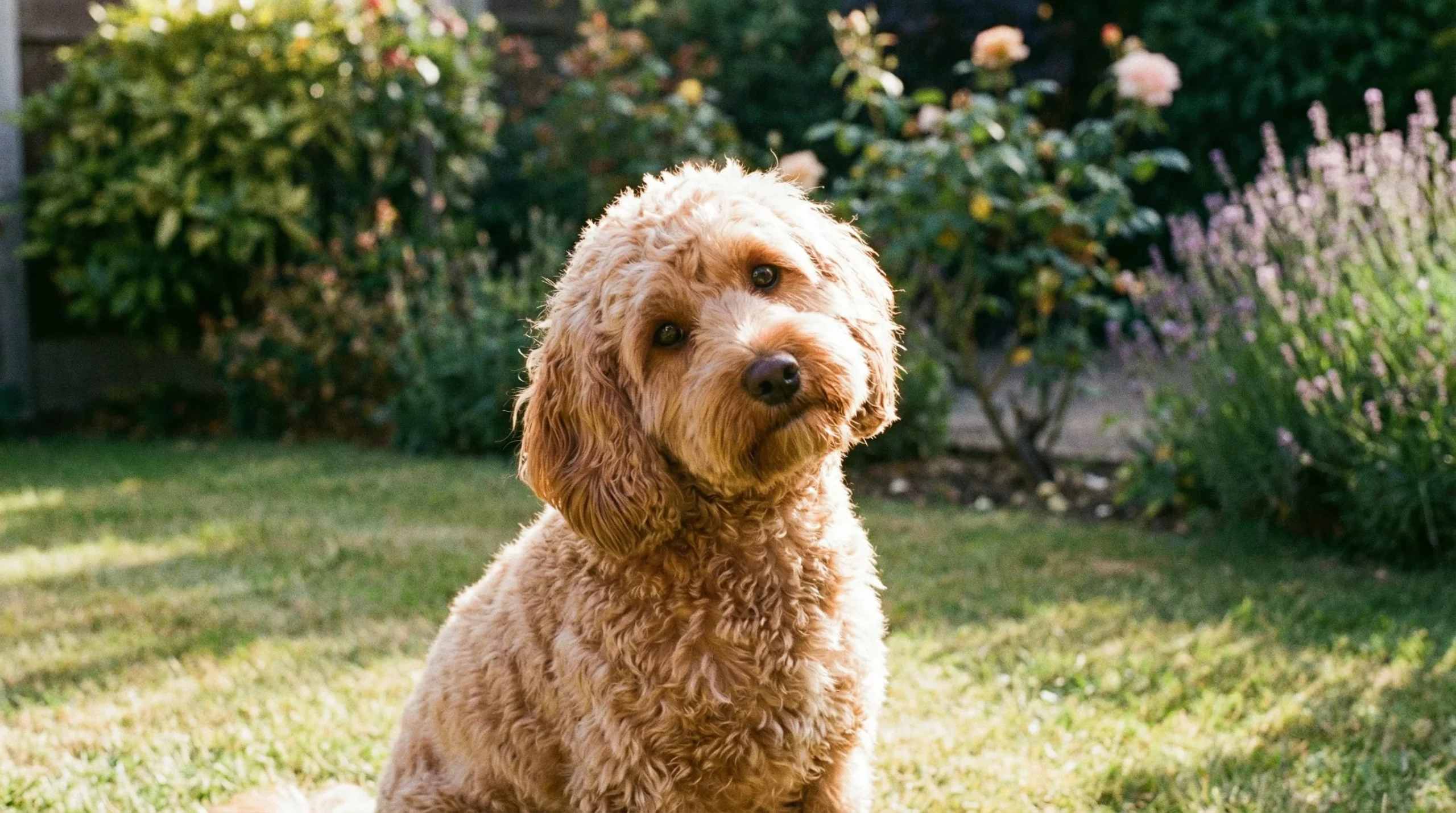
The Cockapoo (Cocker Spaniel x Poodle) has taken the UK by storm, and for good reason. They combine the intelligence of the Poodle with the sturdy, happy-go-lucky nature of the Cocker Spaniel.
The Good: For families suffering from mild allergies or those who hate vacuuming dog hair, the Cockapoo is a top contender. They are highly affectionate, “people-focused” dogs that thrive on being part of the action. They are also the perfect size for most UK homes, big enough to go for a long walk, but small enough to curl up on your lap.
The Honest Truth: Do not be fooled by the “low maintenance” label. That beautiful coat acts like Velcro for brambles, mud, and twigs. If you do not brush them 3-4 times a week, they will mat painfully. Regular brushing isn’t optional with this breed, and choosing the correct grooming tool matters. Understanding the different types of brushes for dogs is especially important for curly and mixed coats like the Cockapoo’s, where the wrong brush can worsen matting.
They can also suffer from separation anxiety; they hate being left alone.
If you are looking for a compact, affectionate companion that does well in smaller homes, you might be weighing up a Pug vs French Bulldog—both make fiercely loyal family pets but come with unique brachycephalic care requirements.
Staffordshire Bull Terrier – Most Loyal Family Dog
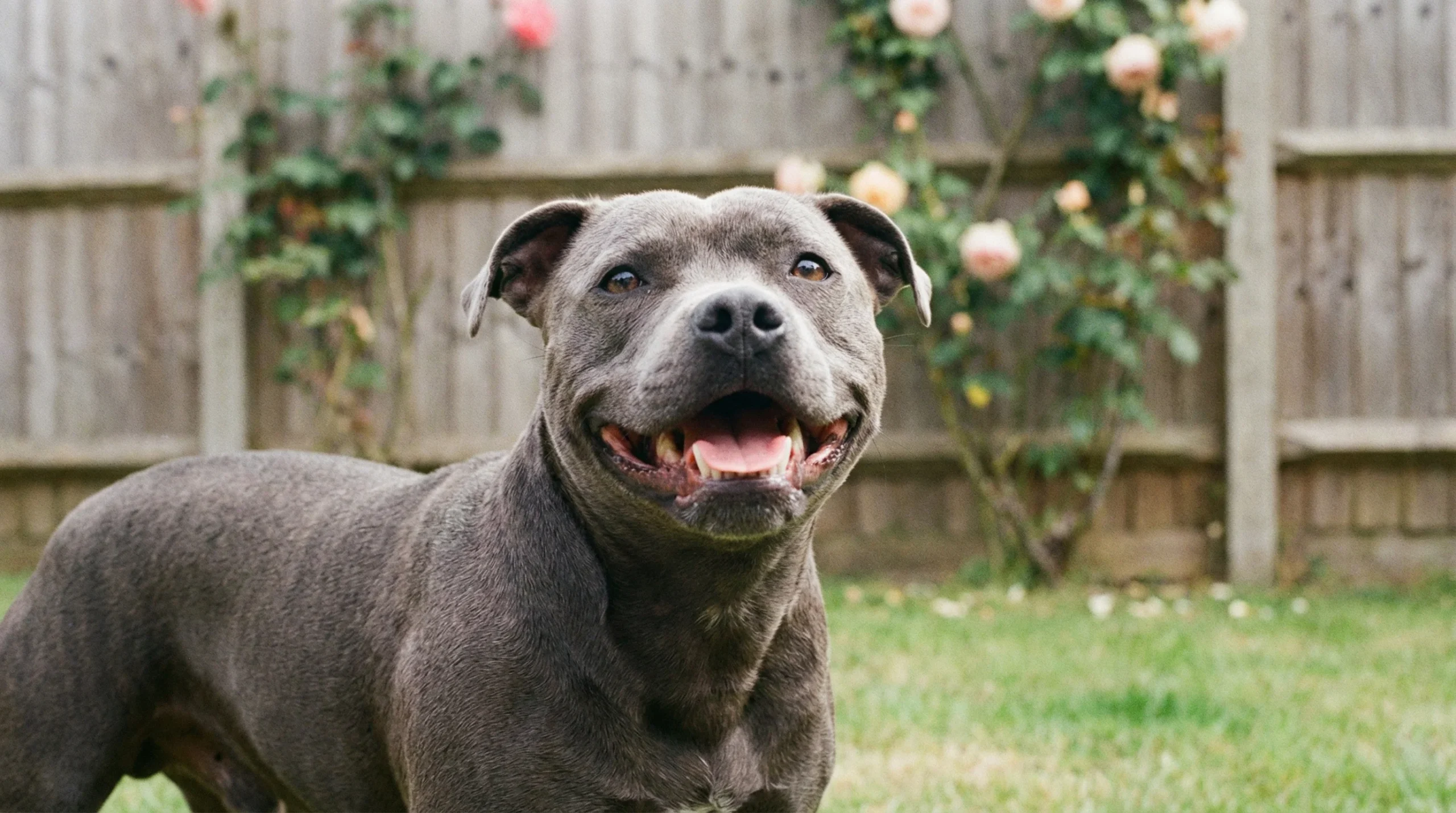
Often misunderstood due to bad press, the Staffordshire Bull Terrier (Staffy) is one of the most affectionate and loyal dogs on the planet. In fact, they were historically nicknamed “Nanny Dogs” because of their patience and love for children.
The Good: Staffies are people-pleasers. They don’t just like their humans; they worship them. They are robust, muscular dogs that can handle energetic play with kids without getting hurt. Their short coats require almost zero grooming—a quick wipe down with a towel after a wet walk is usually enough.
The Honest Truth: While they love people, some Staffies can be reactive toward other dogs if not socialised early. They also have strong jaws and destroy cheap toys in seconds. You will need to invest in the [Link to: Best Indestructible Dog Toys].
- Best For: Families who want a fiercely loyal companion who loves a cuddle on the sofa.
- Pro Tip: Staffies are not outdoor dogs. They feel the cold and prefer to be under a blanket with you.
The Golden Retriever: Gentle & Patient
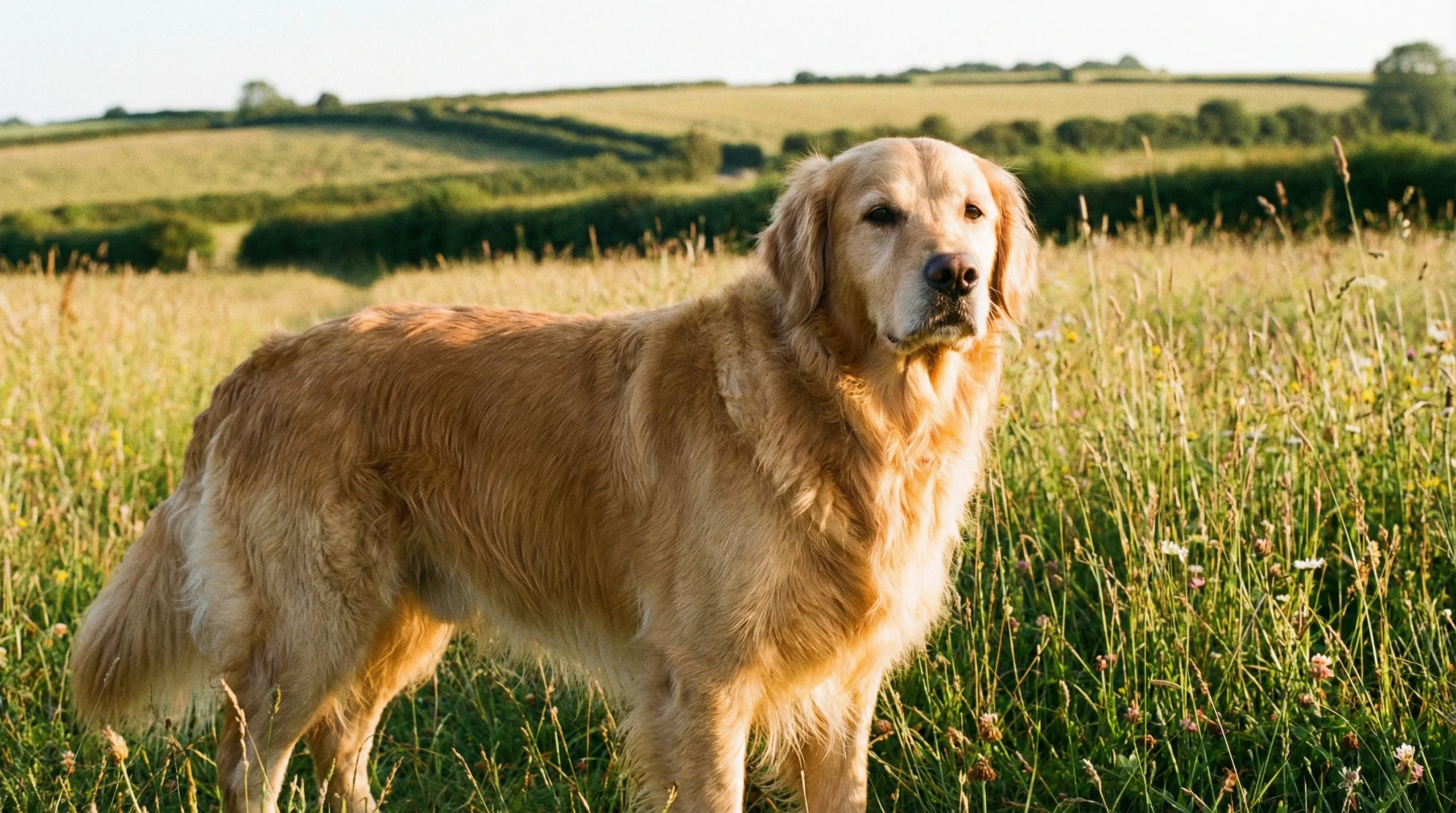
If you looked up “friendly” in the dictionary, you would find a picture of a Golden Retriever. Similar to the Labrador but generally softer in temperament, Goldens are renowned for their patience.
The Good: They are incredibly eager to please, making them highly trainable. They are less likely to be “boisterous” than a young Labrador and often display calm maturity once they pass the puppy stage. They are fantastic with other pets and are often used as therapy dogs due to their empathy.
The Honest Truth: Mud is their enemy. Their long, feathery coats collect water and dirt, so you will need to clean your hallway floors constantly. They are also prone to cancer and heart issues, so choosing a reputable breeder who conducts health tests is non-negotiable.
The Cavalier King Charles Spaniel: Best for Smaller Homes

For those living in apartments or smaller terraced houses, the Cavalier is arguably the best family dog in the UK. They are true lap dogs who are happiest when touching their owner.
The Good: Cavaliers have a “switch off” button. They will happily go for a walk in the park, but they are equally content sleeping for hours while you work or watch TV. They are incredibly gentle, making them a safe choice for families with very young children or elderly relatives.
The Honest Truth: The breed suffers from significant health issues, particularly Mitral Valve Disease (heart) and Syringomyelia (brain/spine). It is heartbreaking to lose a pet early. You must buy from a breeder who screens for these conditions, or consider a “Cavapoo” cross for slightly better genetic diversity.
Best Dogs for Active UK Families
If your family spends weekends hiking in the Lake District or running 5Ks, you need a dog with stamina. These breeds are fantastic family pets if their physical needs are met.
The Border Collie (For the Hikers)
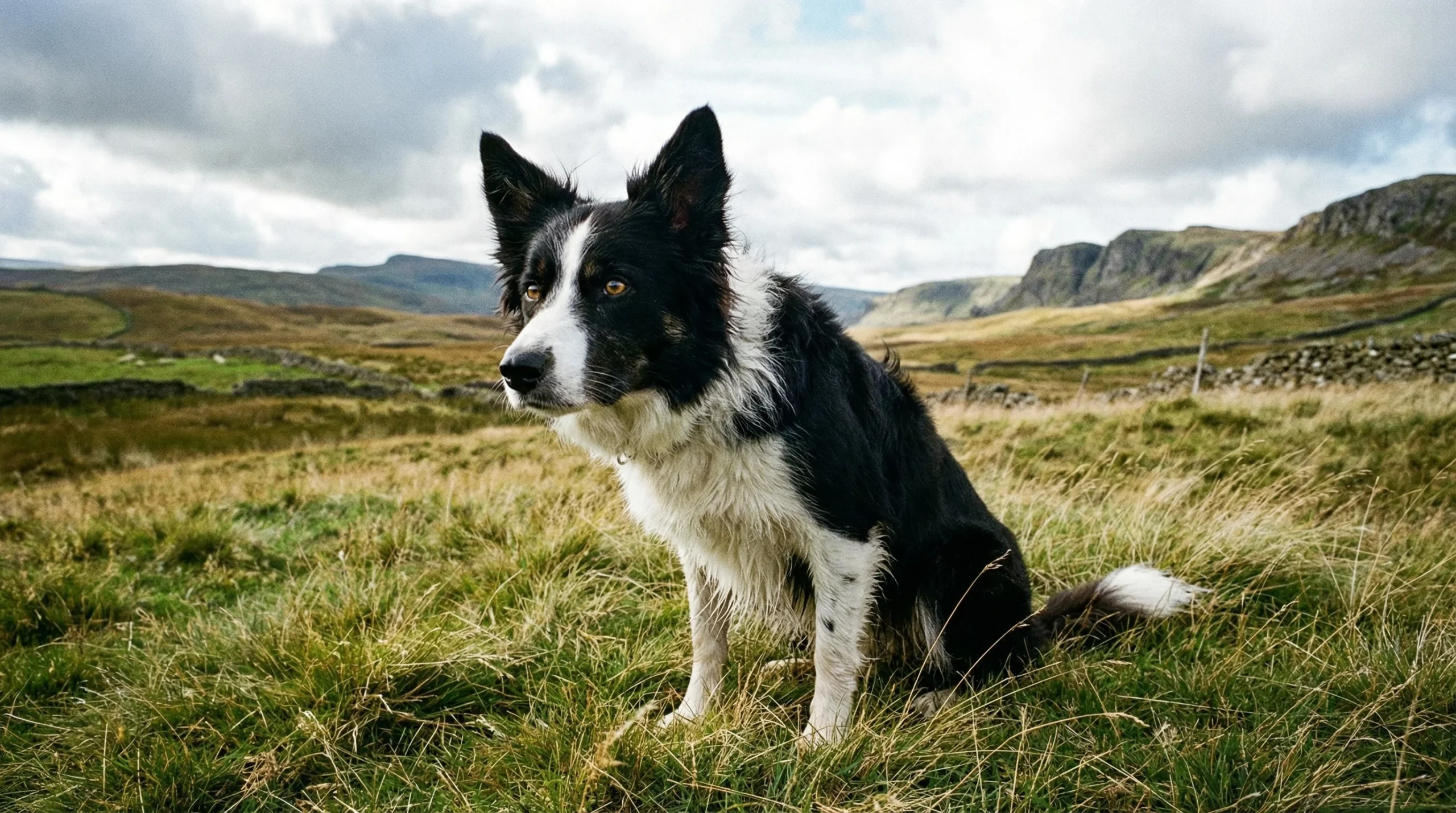
The Einstein of the dog world. They are incredibly smart and can learn hundreds of words. However, a bored Collie is a disaster. They need a “job” to do. If you don’t give them a job (like agility or hours of fetch), they might try to “herd” your children by nipping at their heels. Ideally suited for rural homes with land.
The Springer Spaniel (For the Outdoor Adventurers)
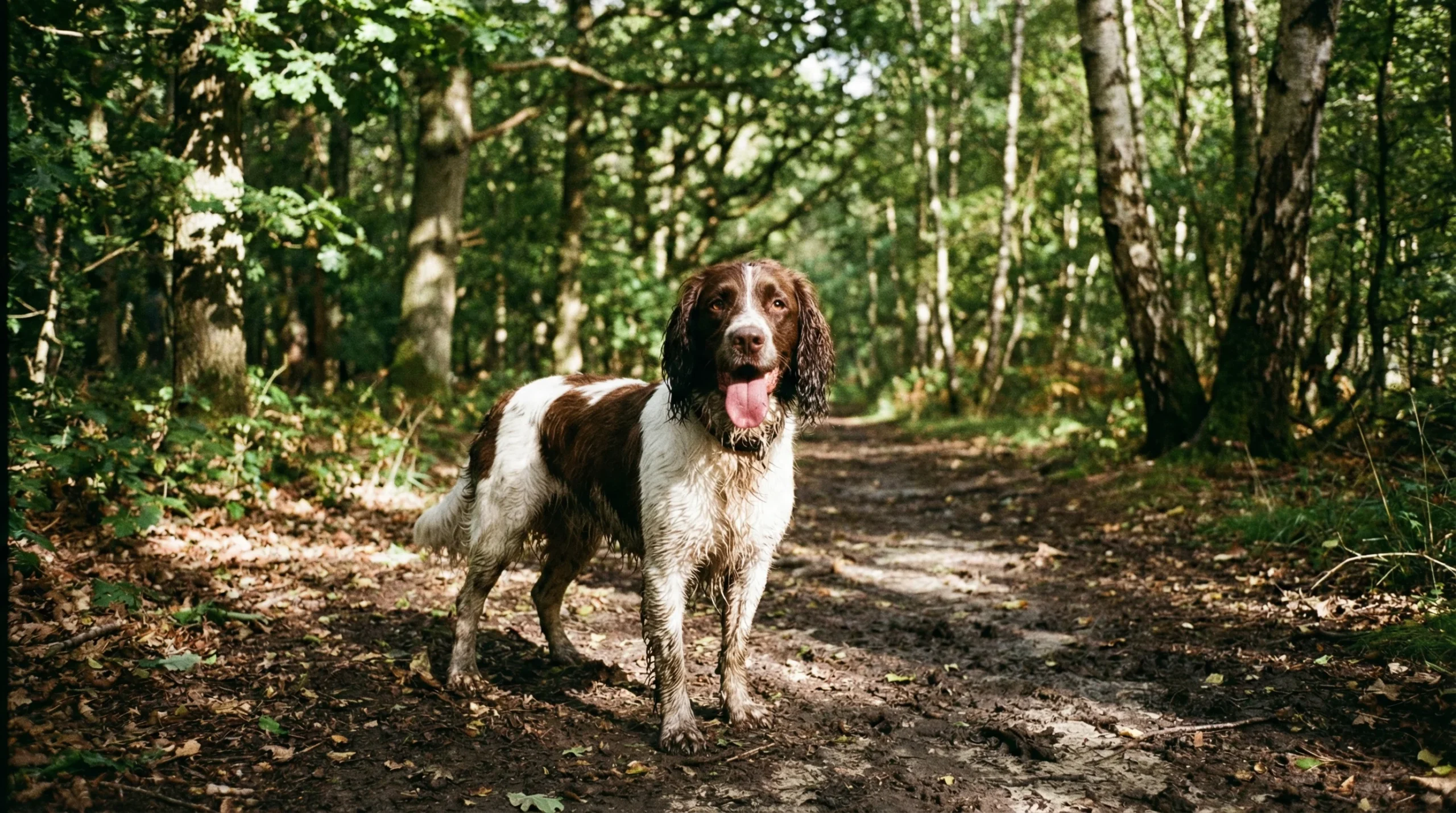
Tireless and merry, the Springer is a classic British favourite. They will run through brambles, jump into freezing lakes, and keep going all day. They are amazing for active kids who want to play fetch for hours. Note: They can be “hyper” and require training to master the “off switch.”
The Vizsla (The “Velcro” Dog)
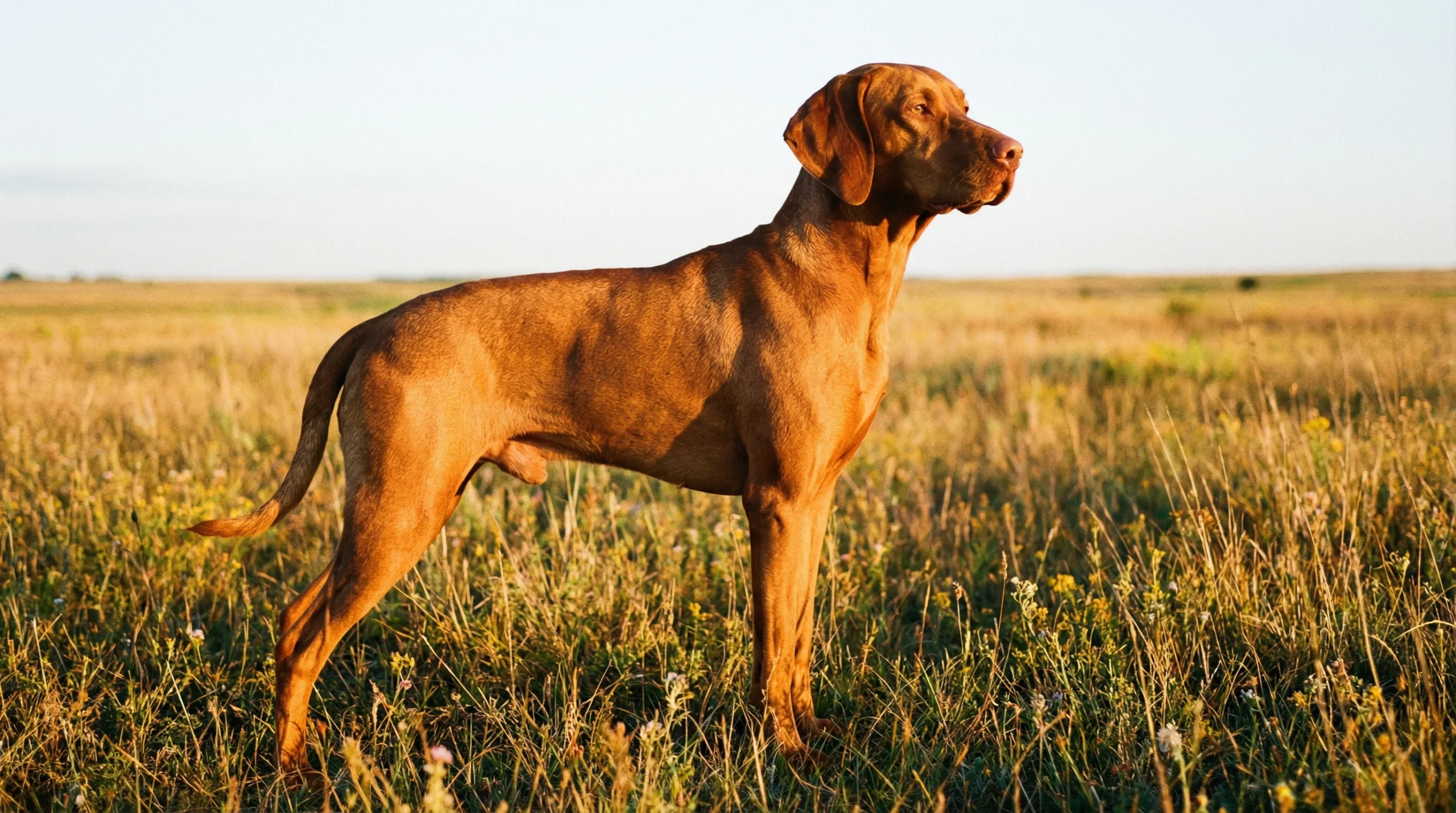
The Hungarian Vizsla is beautiful, athletic, and sensitive. They bond intensely with their family and want to be touching you at all times (hence the nickname “Velcro dog”). They are great runners, but do not handle being left alone well.
Important: Buying a Puppy vs. Rescuing in the UK
To ensure you are buying from a responsible source, we recommend looking for breeders registered with The Kennel Club’s Assured Breeders scheme.
Once you have decided on a breed, the next step is finding the dog. In the UK, there are two main paths, both requiring due diligence.
1. Buying a Puppy (The Safe Way) Since “Lucy’s Law” passed, it is illegal to sell a puppy in the UK unless you bred it yourself or are a legitimate rescue.
- Always see the puppy with its mother.
- Never meet a seller in a car park or service station.
- Check for health certificates (hips, eyes, DNA tests).
2. Rescuing is a noble option. UK charities such as Dogs Trust, the RSPCA, and breed-specific rescues do excellent work.
- The Reality: Many rescues cannot rehome dogs to families with children under 12 due to safety policies. If you have young kids, you may face rejection from rescues. Do not take it personally; they are prioritising safety.
The Real Cost of Dog Ownership in 2026
Budgeting is a vital part of responsible ownership. Inflation has hit pet care hard in the UK. Here is a realistic breakdown of monthly costs:
- Quality Food: £50 – £90 (Depending on size and brand).
- Pet Insurance: £30 – £80 (Breeds like Bulldogs and Cavaliers are more expensive to insure due to health risks).
- Flea/Worm Treatment: £15.
- Professional Grooming: £40 – £60 (Every 6-8 weeks for breeds like Cockapoos).
Total Estimated Cost: You are looking at £100 to £200 per month, excluding annual vaccinations and emergency vet visits.
Preparing Your Home for a New Arrival
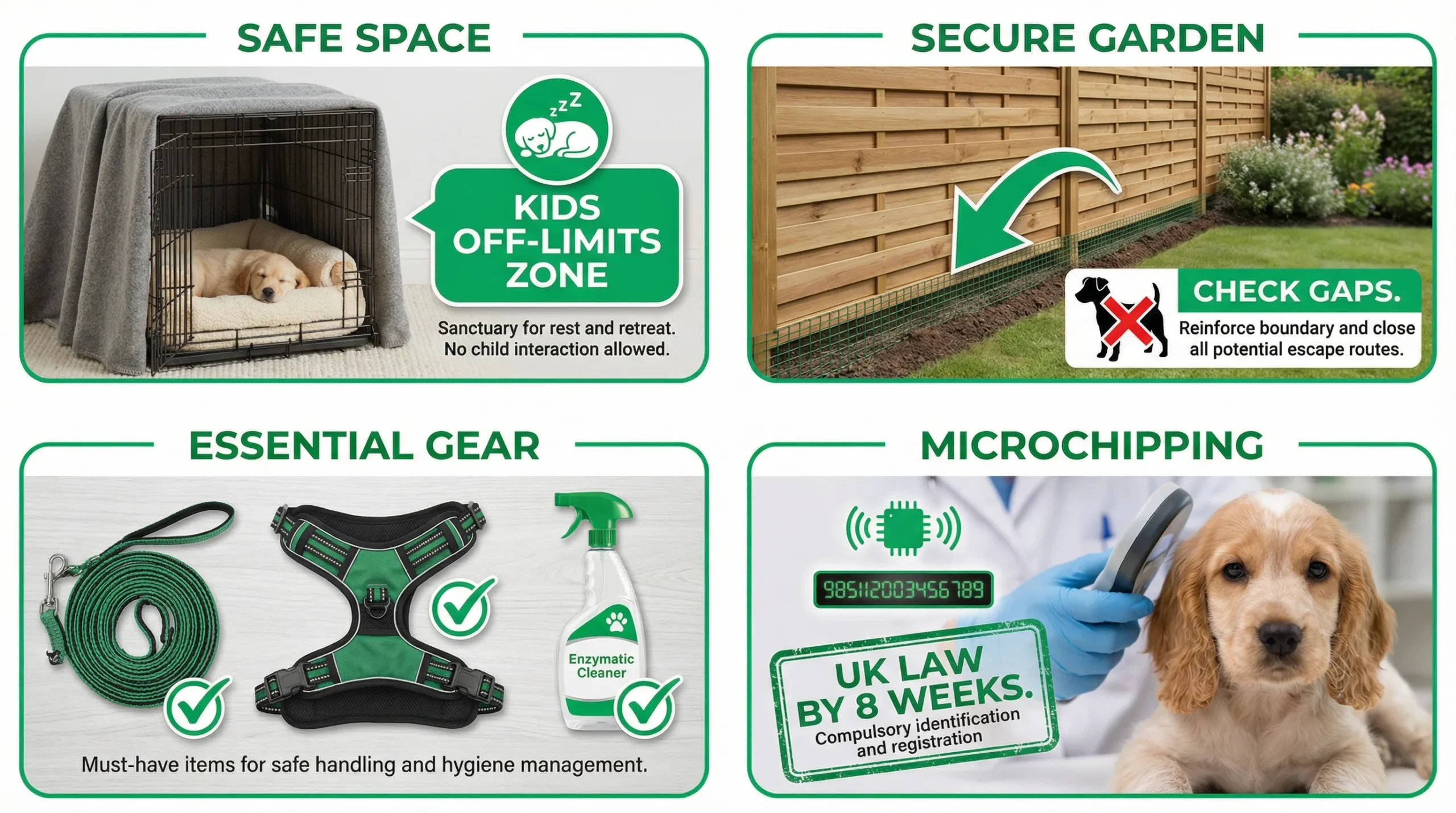
Success lies in preparation. Before paws hit the floor, ensure your home is “dog-proofed.”
- Create a Safe Space: Buy a crate and cover it. This is your dog’s bedroom. Tell the children that when the dog is in the crate, they are off-limits.
- Secure the Garden: Check your fences. A Jack Russell or Terrier can squeeze through incredibly small gaps.
- Puppy Essentials: You will need a harness, a long-line lead for recall training, and an enzymatic cleaner for accidents.
- Microchipping: By law in the UK, your dog must be microchipped by 8 weeks old, and the details must be registered to you.
Final Verdict: Choosing With Your Head and Heart
Finding the Best Family Dog in the UK isn’t about picking the dog that won Crufts. It’s about picking the dog that fits your reality.
If you work 8 hours a day and live in a flat, a Border Collie will make you miserable. If you are house-proud and hate mess, a Golden Retriever might not be the one. Be honest about your activity levels and your budget.
When the match is right, there is nothing better. A dog brings a family together, gets you out in the fresh air, and teaches children valuable lessons about empathy and responsibility.
Frequently Asked Questions
What is the best calm family dog in the UK?
The Greyhound (retired racer) or the Cavalier King Charles Spaniel are excellent choices. Despite being fast, Greyhounds are actually “40mph couch potatoes” and sleep most of the day.
Which dog breed is best for a child with autism?
Labradors and Golden Retrievers are often trained as assistance dogs because of their sensory tolerance and calming nature. However, the individual dog’s temperament matters more than the breed.
Are male or female dogs better for families?
There is no hard rule. Males can sometimes be more affectionate and “dopey,” while females can be more independent and easier to train. Neutering/spaying tends to level out hormonal behavioural differences.
What is the easiest family dog to train?
The Labrador Retriever and the Poodle are generally considered the easiest for first-time owners because they are intelligent and eager to please (food motivated).
What is the best family dog for first-time owners in the UK?
Labrador Retrievers and Cavaliers are often best for first-time families due to their predictable temperaments and easier training.
