
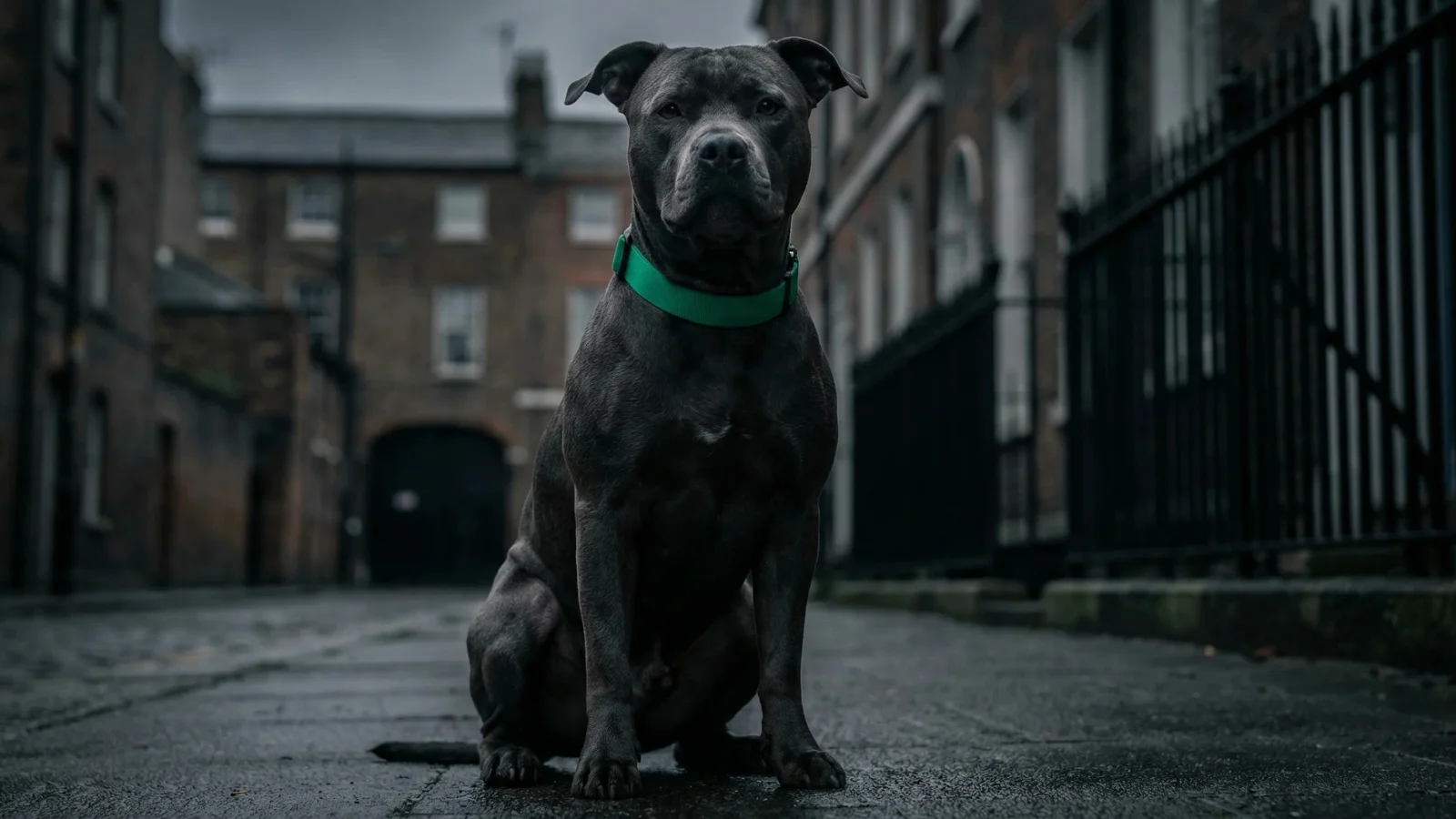
If you’re asking are pitbulls banned in the UK, the short answer is yes, but the full legal picture is more nuanced than most headlines suggest. Pit bull–type dogs are prohibited under UK law, yet some dogs that resemble pit bulls may still be legally owned under strict conditions. This confusion leads many owners to search for clarity, especially following recent enforcement changes and public debate around dangerous dog legislation.
TABLE OF CONTENTS
5 Legal Facts About Pitbulls in the UK
FlexK9 is an independent educational resource for dog owners. The following information regarding the Dangerous Dogs Act 1991 is provided for awareness only and does not constitute legal advice. If you are concerned about your dog’s legal status in the UK, please consult a qualified legal professional.
Legal Fact 1: Pit Bull Terriers Are a Banned Dog Type
Pit Bull Terrier–type dogs are strictly prohibited under the UK’s Dangerous Dogs Act 1991. The law bans owning, breeding, selling, or exchanging these dogs unless a court grants a formal Certificate of Exemption.
Legal Fact 2: The Law Focuses on “Type”, Not Breed
UK authorities assess dogs based on physical characteristics rather than pedigree or dog DNA test results. This means crossbreeds that share the physical dimensions and traits of a Pitbull can also be legally classified as a banned type.
Legal Fact 3: Some Dogs Can Be Legally Kept Under Exemption
In specific cases, courts may allow a Pitbull-type dog to remain with its owner. The dog must be judged by authorities as not posing a danger to public safety, after which it is placed on the Index of Exempted Dogs (IED).
Legal Fact 4: Exempt Dogs Must Follow Strict Legal Conditions
Owners of exempted dogs are legally bound to follow strict, non-negotiable rules. This includes mandatory microchipping, neutering, maintaining third-party liability insurance, and ensuring the dog is kept on a lead and muzzled in public at all times.
Legal Fact 5: Police Assess Dogs Based on Physical Traits
UK law enforcement focuses heavily on a tape-measure standard—whether a dog matches the specific physical proportions, head shape, and build of a Pitbull-type dog—rather than relying solely on official Kennel Club registrations.
This guide explains the current legal status of pit bulls in the UK, how the law defines a “pit bull–type dog,” and whether you can own a pitbull in the UK under any circumstances. It also looks at how breed-specific legislation fits into wider conversations about responsible ownership and public safety.
Are Pitbulls Banned in the UK Under Current Law?
Yes, pit bulls are banned in the UK under the Dangerous Dogs Act 1991. Specifically, the law prohibits the ownership, breeding, selling, abandonment, or exchange of certain dog types, including the Pit Bull Terrier. Importantly, the legislation focuses on type rather than pedigree, meaning a dog does not need to be a registered American Pit Bull Terrier to fall under the ban.
Pit Bull Terriers are one of four banned dog types under the UK’s Dangerous Dogs Act 1991, alongside the Japanese Tosa, Dogo Argentino, and Fila Brasileiro. UK authorities assess dogs based on physical characteristics rather than pedigree, meaning even crossbreeds can be classified as a prohibited “pit bull type”.
Under the Act, it is illegal to:
- Own a pit bull–type dog
- Breed or sell pit bull–type dogs
- Give away or abandon a pit bull–type dog
- Allow a banned dog to be dangerously out of control
For official guidance on banned dog types and ownership rules, the UK government provides detailed information on the Dangerous Dogs Act and enforcement procedures.
However, enforcement is based on physical characteristics rather than DNA alone. This means dogs that resemble pit bulls may be assessed by authorities even if owners believe their dog is a different breed or cross.
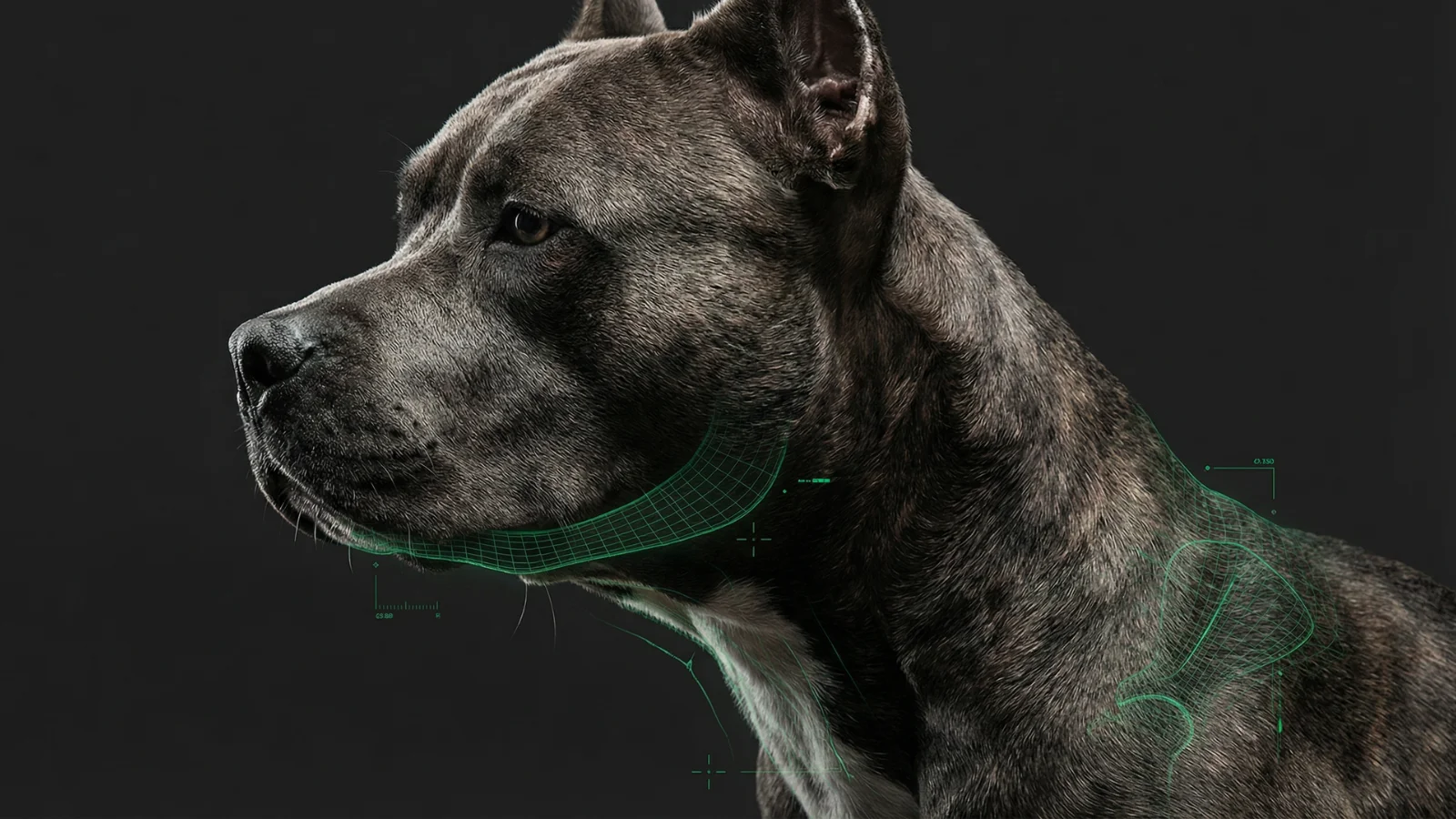
For a broader legal overview, FlexK9 covers this in more depth in its dedicated guide to the Dangerous Dogs Act 1991, which explains how breed-specific laws are applied in practice across England, Wales, and Scotland.
It’s also worth noting that pit bulls are not the only dogs affected by UK breed bans. If you’re researching this topic more widely, the list of banned dog breeds in the UK provides context on how pit bulls fit into the wider framework of restricted breeds.
Can You Own a Pitbull in the UK? Exemptions, Rules, and Reality
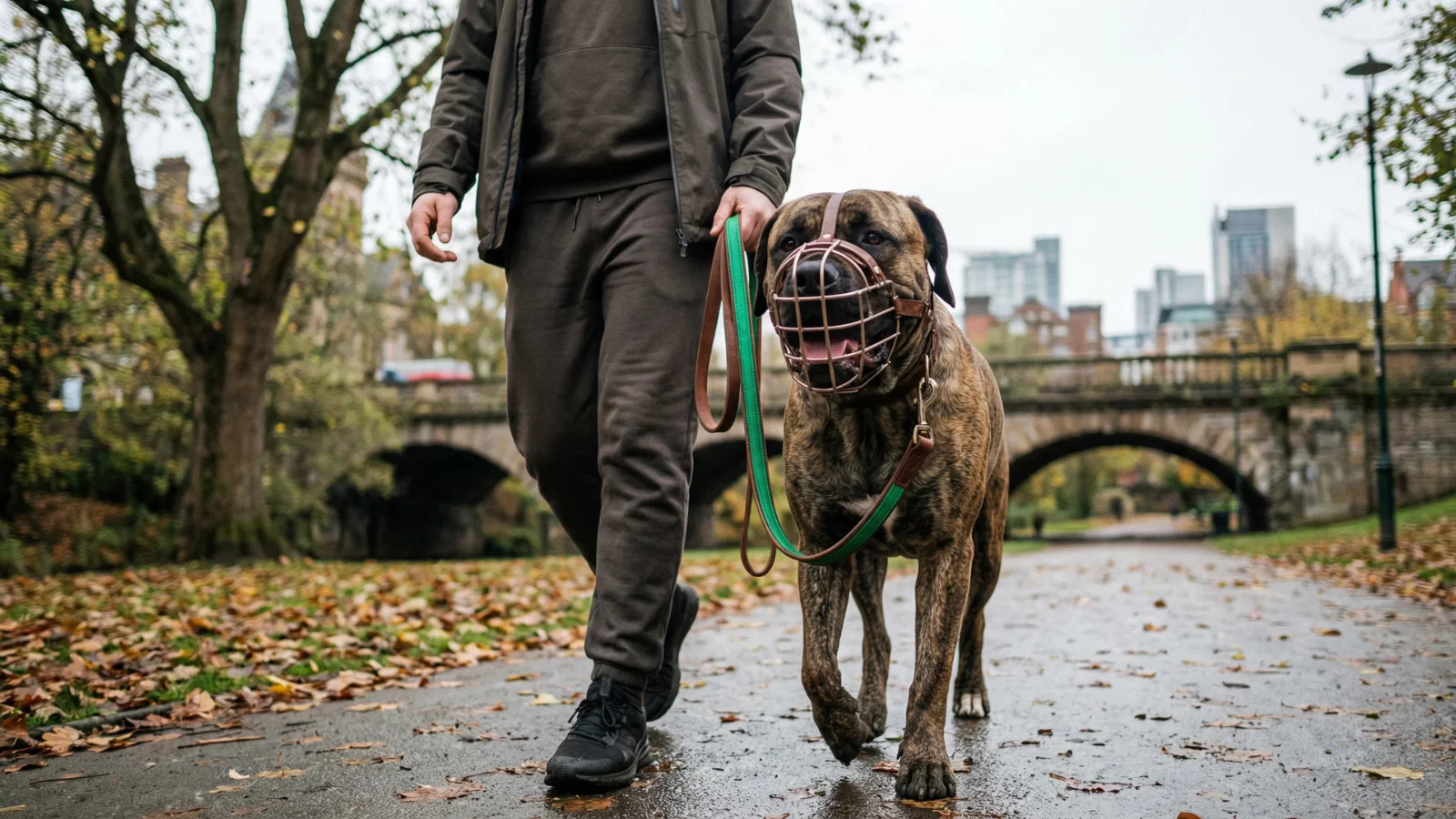
This is where most confusion arises. Technically, you cannot freely own a pitbull in the UK. However, there is a narrow legal pathway for certain dogs through the Index of Exempted Dogs (IED).
A pit bull–type dog may be allowed to remain with its owner only if all of the following conditions are met:
- The dog has been formally exempted and added to the Index of Exempted Dogs
- The dog is neutered
- The dog is microchipped
- The owner holds valid third-party insurance
- The dog is kept on a lead and muzzled in public
- The owner complies with all court-imposed conditions
Even when a dog qualifies for exemption, owners must follow strict conditions including permanent microchipping, third-party liability insurance, neutering, and keeping the dog on a lead and muzzled in public at all times.

Exemptions are not automatic and are typically granted only after legal proceedings. Dogs that are newly identified as pit bull–type dogs are not guaranteed exemption, and many are seized during the assessment process.
This is why searches around can you own a pitbull in the UK often lead to conflicting answers online. In practice, ownership is the exception, not the rule, and relies on strict compliance rather than breed preference.
For comparison, FlexK9 explores similar legal grey areas in its guide on whether Rottweilers are banned in the UK, highlighting how public perception and legal reality often diverge when it comes to large or powerful breeds. Many owners are also surprised to learn that a Staffordshire Bull Terrier is a recognised legal breed in the UK, while Pitbull-type dogs fall under different restrictions. If you want a clear breakdown of the physical and legal differences, see our guide to the Pitbull dog vs Staffy comparison.
Why Pitbull Bans Exist and the Debate Around Breed-Specific Laws
Breed-specific legislation was introduced after a series of high-profile dog attacks in the late 1980s and early 1990s, which led the UK government to introduce the Dangerous Dogs Act 1991. The law focuses on restricting certain powerful dog types believed to pose a higher risk of serious injury in uncontrolled situations.
Supporters of the legislation argue that restricting certain dog types reduces the risk of serious injury, particularly in urban environments.
However, critics of breed specific legislation point to several issues:
- Dog aggression is influenced heavily by training, socialisation, and environment
- Many attacks involve dogs that are not banned breeds
- Visual identification of “type” can be subjective and inconsistent
As enforcement has increased, discussions around changing ownership restrictions have focused on whether stricter compliance rules or broader reforms would better protect public safety without unfairly targeting responsible owners.

Above: Some experts believe that training, socialisation, and responsible ownership play a bigger role in dog behaviour than breed-specific bans alone.
Animal welfare organisations frequently argue that irresponsible ownership, poor breeding practices, and lack of education are more reliable predictors of dangerous behaviour than breed alone. This has fuelled ongoing debate about whether bans should focus on behaviour and owner accountability rather than physical appearance.
Understanding this context matters, especially for owners researching powerful breeds. For example, FlexK9’s comparison of Cane Corso vs Pitbull helps highlight how size, temperament, and handling requirements differ — factors that often get lost in simplified “dangerous breed” narratives.
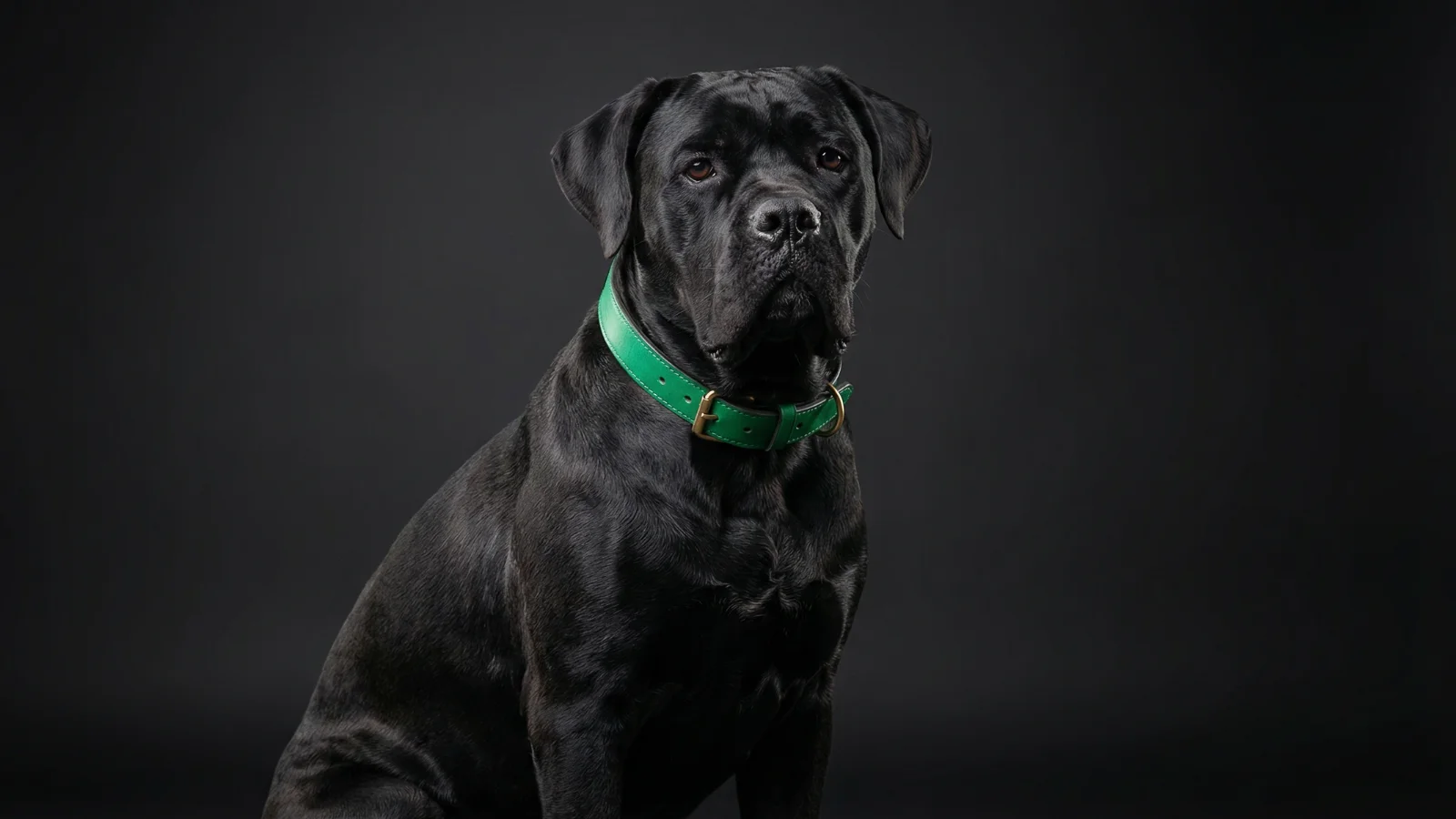
Despite criticism, UK law remains clear: pit bull–type dogs are restricted, and enforcement is active. Anyone considering ownership of a large or strong breed should factor legal status into their decision alongside temperament, lifestyle fit, and training commitment.
Final Thoughts for UK Dog Owners
So, are pitbulls banned in the UK? Yes — pit bull–type dogs remain prohibited under the Dangerous Dogs Act 1991, and enforcement focuses on a dog’s physical type rather than its registered breed. While exemptions exist through the Index of Exempted Dogs, they are rare and require strict compliance with legal conditions.
If you’re drawn to strong, intelligent, or protective breeds, the safest path is choosing a dog that suits your lifestyle and complies with UK law. Responsible ownership, proper training, and legal awareness protect not just the public, but the dogs themselves. For prospective dog owners, understanding UK breed legislation is just as important as considering temperament, training needs, and lifestyle compatibility when choosing a dog.
Frequently Asked Questions
What country are Pit Bulls banned in?
Pit Bulls are banned in the United Kingdom, specifically across England, Wales, and Scotland under the Dangerous Dogs Act 1991. Northern Ireland also restricts Pit Bull-type dogs under separate legislation. While the Act applies to the whole of Great Britain, enforcement and specific exemption processes are uniform across these nations.
Why did the UK ban Pit Bulls?
The UK banned Pit Bulls under the Dangerous Dogs Act 1991 in the interest of public safety, following a series of high-profile incidents and severe dog attacks. Supporters of the ban argue that restricting specific dog types reduces the risk of serious injury in communities. However, critics and animal welfare groups often argue that aggression is influenced more by training and ownership than breed alone.
Is a Pit Bull an XL bully?
No, legally they are distinct “types,” though both are now banned in the UK. The Pit Bull Terrier was banned in 1991, whereas the XL Bully was added to the Dangerous Dogs Act more recently (2024). While they share common ancestry and muscular physical traits, the law assesses them against separate physical standards. If a dog meets the physical definition of either type, it is illegal to own without an exemption.
Do Pit Bulls have to be muzzled in the UK?
Yes, if a dog is identified as a Pit Bull type and granted an exemption (placed on the Index of Exempted Dogs), it must be muzzled and kept on a lead at all times when in public. This is a strict legal condition for keeping the dog; failure to comply can result in the dog being seized and the owner prosecuted.
Can you own a pitbull in the UK if it’s a crossbreed?
Yes, but only if the dog does not meet the physical criteria of a pit bull–type dog. Crossbreeds that resemble pit bulls can still be classified as banned based on appearance.
What happens if someone is found owning a pit bull illegally?
The dog may be seized, and the owner can face fines, prosecution, and potential imprisonment. Courts may decide whether the dog can be exempted or must be destroyed.
Can Pit Bull crossbreeds be banned in the UK?
Yes. UK law focuses on a dog’s physical characteristics rather than its pedigree. If a dog is assessed by authorities as matching the physical standard of a pit bull–type dog, it may be classified as banned even if it is a crossbreed.
