
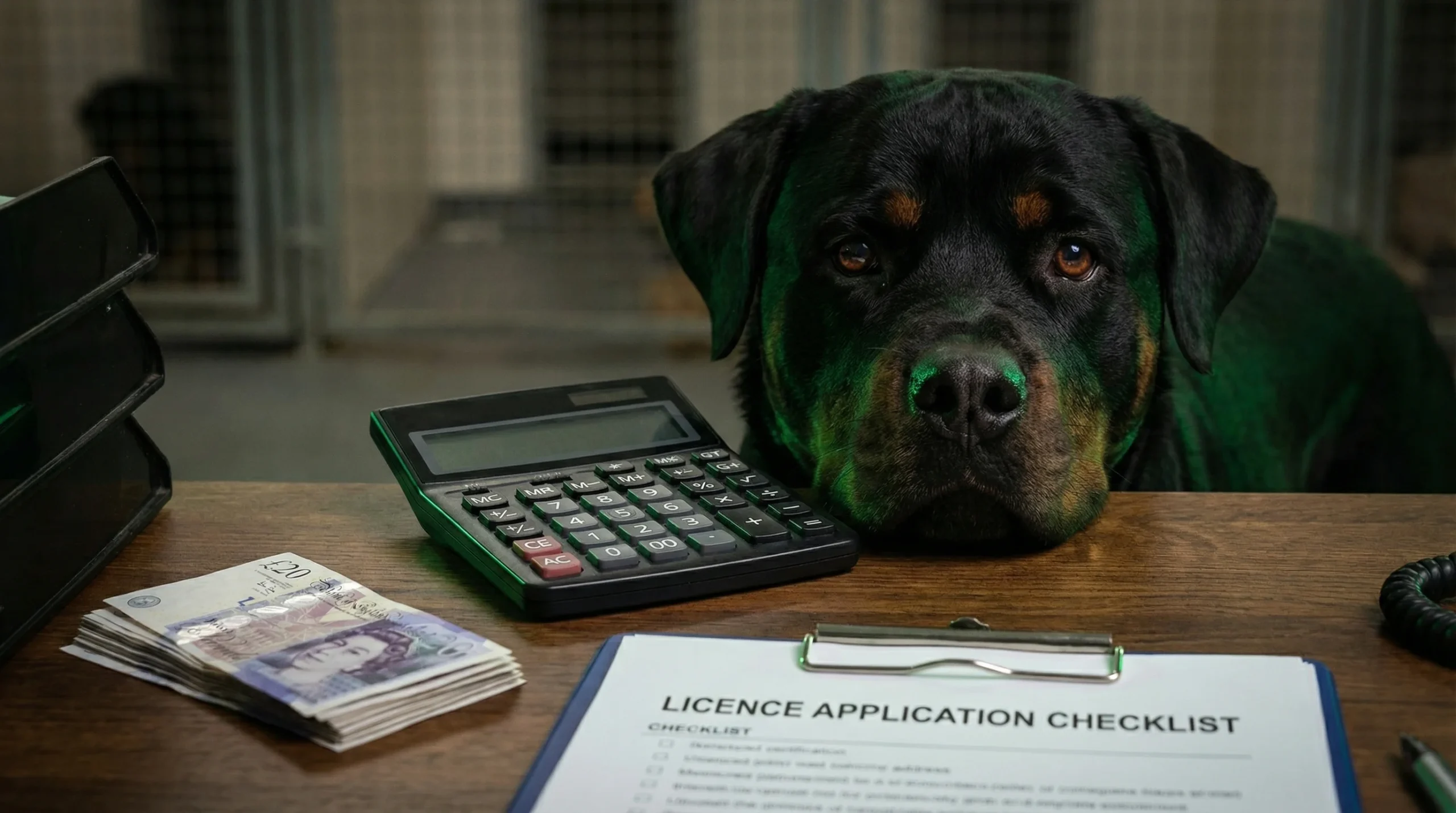
Dog breeding is a serious responsibility, and in England, strict regulations are in place to ensure the welfare of breeding dogs and their puppies. If you are considering breeding dogs for sale, it is essential to understand the licensing requirements, the cost of a dog breeding licence, and the conditions set by the government. Under the Animal Welfare (Licensing of Activities Involving Animals) (England) Regulations 2018, anyone breeding and selling dogs may require a licence issued by their local council. Failure to obtain a licence can result in significant penalties, including fines and imprisonment.
Understanding the cost of dog breeding licence is crucial for potential breeders to ensure compliance with local regulations.
TABLE OF CONTENTS
Who Needs a Dog Breeding Licence in England?
A dog breeding licence is mandatory for anyone operating a business that breeds and advertises dogs for sale. Even if breeding is not a primary source of income, individuals must apply for or renew a licence if they:
- Breed three or more litters within a 12-month period and sell any of the puppies.
- Run a business that involves dog breeding and selling, regardless of the number of litters produced.
The definition of a “business” is determined by HMRC guidelines, meaning that if someone regularly breeds and sells dogs with the intention of making a profit, they must apply for a licence. Those who breed fewer than three litters per year but still sell puppies may also require a licence if they meet the criteria for a commercial breeding operation.
These costs sit within wider legal requirements, which are covered in detail in our guide to UK dog breeding regulations, including licensing thresholds and welfare obligations.
Dog Breeding Licence by UK Region
For dog breeding licence information in your region, refer to:
Cost of Dog Breeding Licence in England
The cost of a dog breeding licence varies depending on the local council issuing the permit. Each council determines its own fees, taking into account administrative expenses and inspection costs.
Most breeders underestimate the cost of getting licensed because councils split the fees into separate “parts,” and the veterinary inspection is often charged separately.
In 2026, the total cost for a new breeding licence typically ranges from £700 to £1,400+, depending on your local authority and the number of dogs you keep.
Real 2026 Cost Breakdown (Example)
| Fee Type | What It Covers | Estimated Cost (2026) |
| Part A Fee | Application Processing: Paid immediately when you submit your form. Non-refundable even if you fail. | £250 – £500 |
| Vet Inspection Fee | Mandatory Check: Paid directly to the vet or reimbursed to the council. Required for all new licences. | £200 – £450 |
| Part B Fee | Application Processing: Paid immediately when you submit your form. Non-refundable, even if you fail. | £200 – £450 |
| Total Year 1 Cost | (Part A + Vet + Part B) | £650 – £1,400+ |
The price variation is due to factors such as:
- The number of dogs being bred.
- The length of the licence granted (1, 2, or 3 years).
- The complexity of the inspection process.
For instance, a breeder with a small operation may pay around £200–£300, whereas larger breeding businesses might incur higher costs due to additional inspections and welfare assessments. Most councils publish their fee structures online, and applicants should check with their local authority for precise pricing information.
How to Apply or Renew a Dog Breeding Licence
Applying for a dog breeding licence is a straightforward process but requires careful preparation. The steps include:
- Contacting the Local Council: Breeders must contact their local authority to obtain an application form and confirm the fees. Some councils allow applications to be submitted online, while others require that they be submitted on paper forms.
- Meeting Licence Conditions Before issuing a licence, the council will inspect the breeder’s premises to ensure compliance with animal welfare standards. The breeder must demonstrate that the dogs are:
- Kept in suitable accommodation with proper ventilation, temperature control, and space.
- Provided with adequate food, water, and bedding to maintain good health.
- Exercised regularly to meet physical and mental stimulation needs.
- Transported safely when moved from one location to another.
- Protected in case of an emergency, such as fire or flood.
- Free from pain, suffering, injury, and disease through proper veterinary care.
- Undergoing an Inspection: A council inspector (sometimes accompanied by a veterinarian) will visit the breeder’s premises to assess conditions. If the breeder meets all requirements, the licence will be issued. The duration of the licence is determined based on the inspection outcome, with high-welfare breeders receiving more extended licences (up to three years).
- Displaying the Licence Once approved, the breeder must:
- Display the licence prominently at the breeding premises.
- Include the licence number in any advertisements for selling puppies.
- Keeping Accurate Records Licenced breeders must maintain records of all dogs and litters, including health checks, vaccinations, and sales details. These records must be available for inspection upon request.
Licence Duration and Renewals
Dog breeding licences in England are valid for 1, 2, or 3 years, depending on the inspection rating. The council assesses factors such as breeding practices, animal welfare, and compliance history to determine the duration of the licence. Breeders must apply for renewal before the current licence expires to continue operations legally.
Restrictions on Obtaining a Licence
Not everyone is eligible for a dog breeding licence. The following individuals are automatically disqualified:
- Those with a criminal record for animal welfare offences.
- Anyone banned from keeping animals under previous legislation.
- Individuals prohibited from:
- Selling pets.
- Running a boarding facility for cats or dogs.
- Keeping or training animals for exhibition.
- Hiring out horses.
Applicants with other criminal convictions may also be denied a licence at the council’s discretion. It is advisable to check with the local authority if there are concerns about eligibility. Local authorities assess your overall suitability as a responsible owner. Frequent breaches of dog leash laws or noise abatement notices can be used as evidence to refuse your breeding licence application.
Welfare Standards and Inspections
Local councils also carry out inspections to ensure welfare standards are being met. This includes assessing housing, exercise routines, and how breeders manage and handle their dogs. Demonstrating safe walking practices, such as choosing whether a dog harness or collar is most suitable, reflects responsible handling and supports compliance with welfare expectations. Even small details like nail care matter, as long nails can affect gait and lead control. See our guide on how to clip dog nails safely.
Fines and Penalties for Breeding Without a Licence
Breeding dogs without the required licence is a criminal offence under the Animal Welfare Act 2006. Offenders face serious consequences, including:
- A prison sentence of up to six months.
- An unlimited fine.
- Disqualification from breeding or owning dogs in the future.
Additionally, failing to comply with licence conditions can also result in financial penalties. Councils conduct random inspections, and non-compliant breeders may have their licence revoked.
Why Is Licensing Important?
The primary purpose of licensing dog breeders is to protect animal welfare and prevent unethical breeding practices. Puppy farming, where dogs are bred in substandard conditions with little regard for their health, has been a longstanding issue in the UK. By enforcing strict licensing laws, the government aims to:
- Ensure proper breeding standards to reduce genetic health issues in puppies.
- Crack down on illegal breeding operations and unregulated sellers.
- Protect buyers from unknowingly purchasing sick or poorly bred puppies.
Reputable breeders benefit from licensing as it establishes trust with buyers. Many prospective dog owners prefer to buy from licensed breeders to ensure their puppy comes from a responsible and well-maintained environment.
Learn more: Some breeds are more powerful and need firm handling — compare the Belgian Malinois vs German Shepherd to see how temperament affects lead training.
Obtaining a dog breeding licence in England is a legal requirement for anyone breeding and selling puppies as part of a business. The cost of a dog breeding licence varies by council but generally falls between typically falls between £700 and £1,400+ in 2026, depending on the scale of the breeding operation and the length of the licence.
Applicants must meet strict welfare standards, undergo inspections, and maintain detailed records to ensure compliance. Failure to obtain a licence can result in severe penalties, including imprisonment and fines. By enforcing licensing laws, the government helps protect both dogs and buyers, ensuring that only ethical and responsible breeders operate in the industry.
For those considering dog breeding, understanding and following these regulations is essential to operate legally and ethically. Always check with your local council to confirm specific licensing requirements and costs before starting a breeding business.
Frequently Asked Questions
How much does a dog breeding licence actually cost in 2026?
While application fees vary by council, the total cost to get set up is typically between £700 and £1,400. This figure includes the Part A (Application) fee, the Part B (Grant) fee, and the mandatory Veterinary Inspection fee, which is often charged separately. Do not rely on old guidance suggesting £150; fees have risen significantly to cover council enforcement costs.
Why do I have to pay two separate fees (Part A and Part B)?
Under the 2018 Regulations, councils cannot charge you for the granting of a licence if you fail the inspection. Therefore, the cost is split:
Part A: Covers the administrative cost of processing your application and inspection. This is non-refundable, even if you are refused a licence.
Part B: Must be paid after you pass the inspection to cover the ongoing enforcement and maintenance of your licence.
Is the Veterinary Inspection fee included in the application cost?
Rarely. Most local authorities charge the Vet Inspection Fee separately, or require you to pay the vet directly. This fee typically ranges from £200 to £450. It is crucial to budget for this on top of the council’s published application fees.
Do I have to pay tax on puppy sales if I am a “hobby breeder”?
There is no such thing as a “tax-free hobby” if you are trading. If your total income (not profit) from breeding exceeds the £1,000 HMRC Trading Allowance in a tax year, you must register for Self Assessment. With HMRC’s 2026 crackdown on “side hustles,” failing to declare this income can lead to penalties, regardless of whether you hold a council licence.
Can I get a refund if my breeding licence application is refused?
No. The Part A fee covers the council’s time to process paperwork and conduct the inspection. If you fail to meet the welfare standards and are refused a licence, this portion of the fee is retained by the council to cover their costs. You will only save the Part B (Grant) fee.
Does a 3-year licence cost more than a 1-year licence?
Yes, upfront—but it is cheaper per year. A 5-Star rated breeder might pay £1,000 for a 3-year licence (£333/year), whereas a 1-Star breeder might pay £700 for a 1-year licence. Investing in higher welfare standards (to achieve a 4 or 5-star rating) is the most effective way to reduce your long-term licensing costs.
Are there other hidden costs I should know about?
Yes. Beyond the licence itself, you may need to pay for:
– Planning Permission: If breeding changes the use of your home (approx. £462+).
– Waste Disposal Contracts: You cannot put commercial dog waste in domestic bins.
– DBS Checks: Some councils require a criminal record check for all applicants.
