
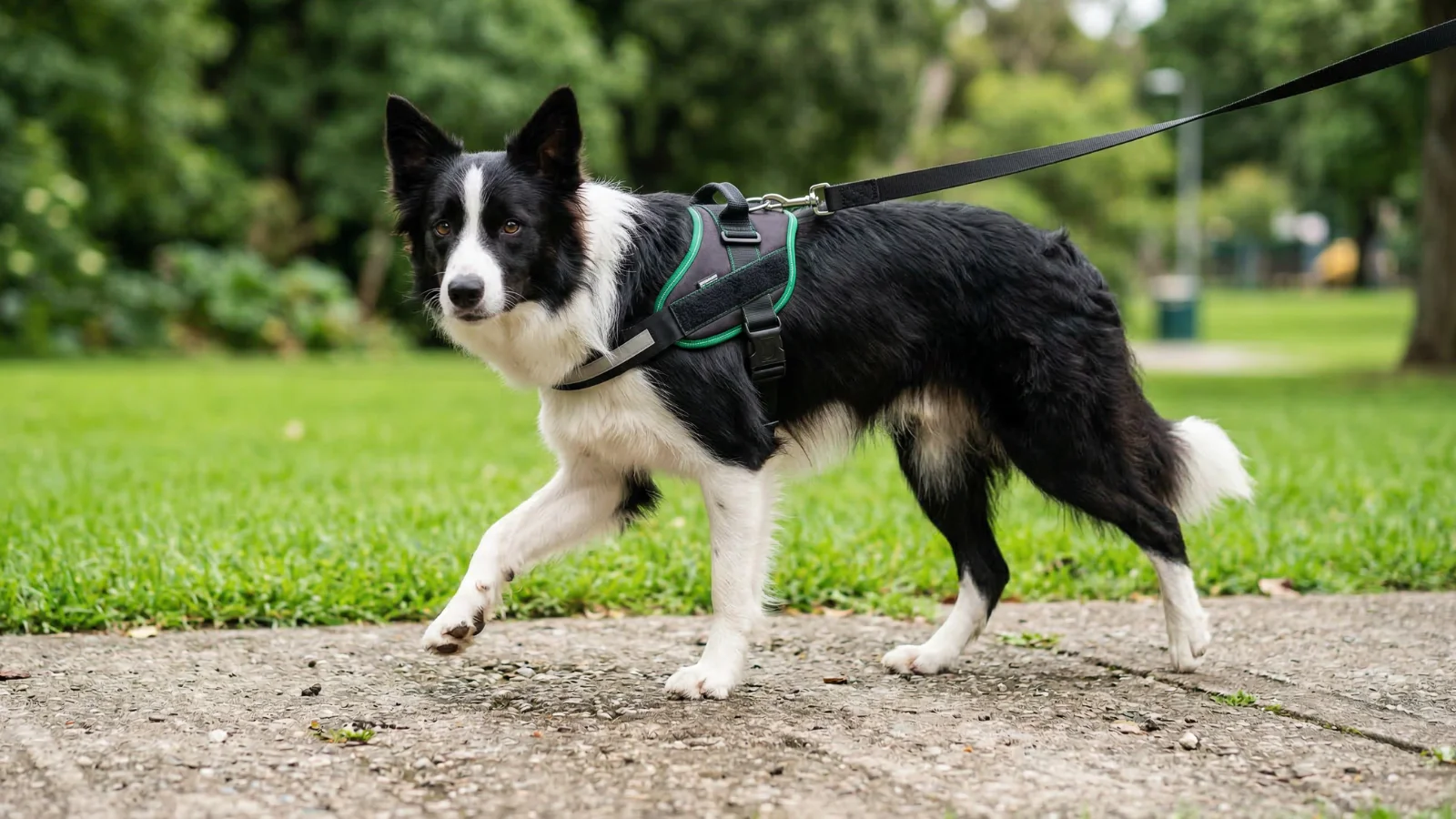
How to keep dog nails short without clipping is a common concern for owners whose dogs fear clippers, resist grooming, or have had painful nail-trimming experiences in the past. If trimming your dog’s nails turns into a wrestling match, you’re not alone. Many owners actively avoid clippers because their dog panics, pulls away, or has had a bad experience in the past. The good news? It is possible to keep dog nails short without clipping, but only if you use the right methods consistently.
This guide focuses entirely on non-clipping alternatives that help naturally wear down your dog’s nails, reduce overgrowth, and avoid stressful grooming sessions altogether. Some methods work brilliantly. Others only work for certain dogs. We’ll be honest about both.
Quick Look
To keep dogs nails short without clipping, use nail grinders to file them down. Regular walks on hard surfaces naturally wear down nails, and scratch pads can help maintain their length. Positive reinforcement and calming products can ease the process for anxious dogs.
Learn how to keep dog nails short without clipping with these simple and stress-free methods.
| Method | How It Works | Typical Use |
|---|---|---|
| Walking on Pavement | Natural abrasion from hard surfaces slowly wears down nails | 30 min walks, 3–5 times weekly |
| Supervised Digging | Soil or sand digging can dull nail tips naturally | Short 10–15 min sessions |
| Scratch Boards | Dogs scratch textured boards to file nail edges | Indoor training sessions |
| Nail Grinders | Rotary grinders safely file nails with precision | Used during grooming |
| Nail Caps | Protective covers placed over nails | Replaced every 4–6 weeks |
TABLE OF CONTENTS
Can You Really Keep Dog Nails Short Without Clipping?
Yes — but not for every dog.
Dogs that walk regularly on hard surfaces, stay active, and have balanced nail growth can often maintain healthy nail length without clippers. However, dogs that are sedentary, elderly, or genetically prone to fast nail growth may still need occasional trimming.
The key is understanding what actually wears nails down and applying it intentionally.
How Daily Walking Naturally Wears Down Dog Nails
Regular walking is the most effective non-clipping method for keeping dog nails short.
Hard surfaces such as pavements, concrete paths, and compact gravel create gentle friction that files nails down over time. Dogs that walk daily on these surfaces often show noticeably shorter nails within a few weeks.
Best for:
- Active adult dogs
- Medium to large breeds
- Dogs walked at least 30–60 minutes daily
Limitations:
- Grass and soft trails do nothing for nail wear
- Short, infrequent walks won’t make a difference
If your dog mainly walks on grass or fields, their nails will continue to grow unchecked.
Using Scratch Boards to Keep Dog Nails Short Indoors
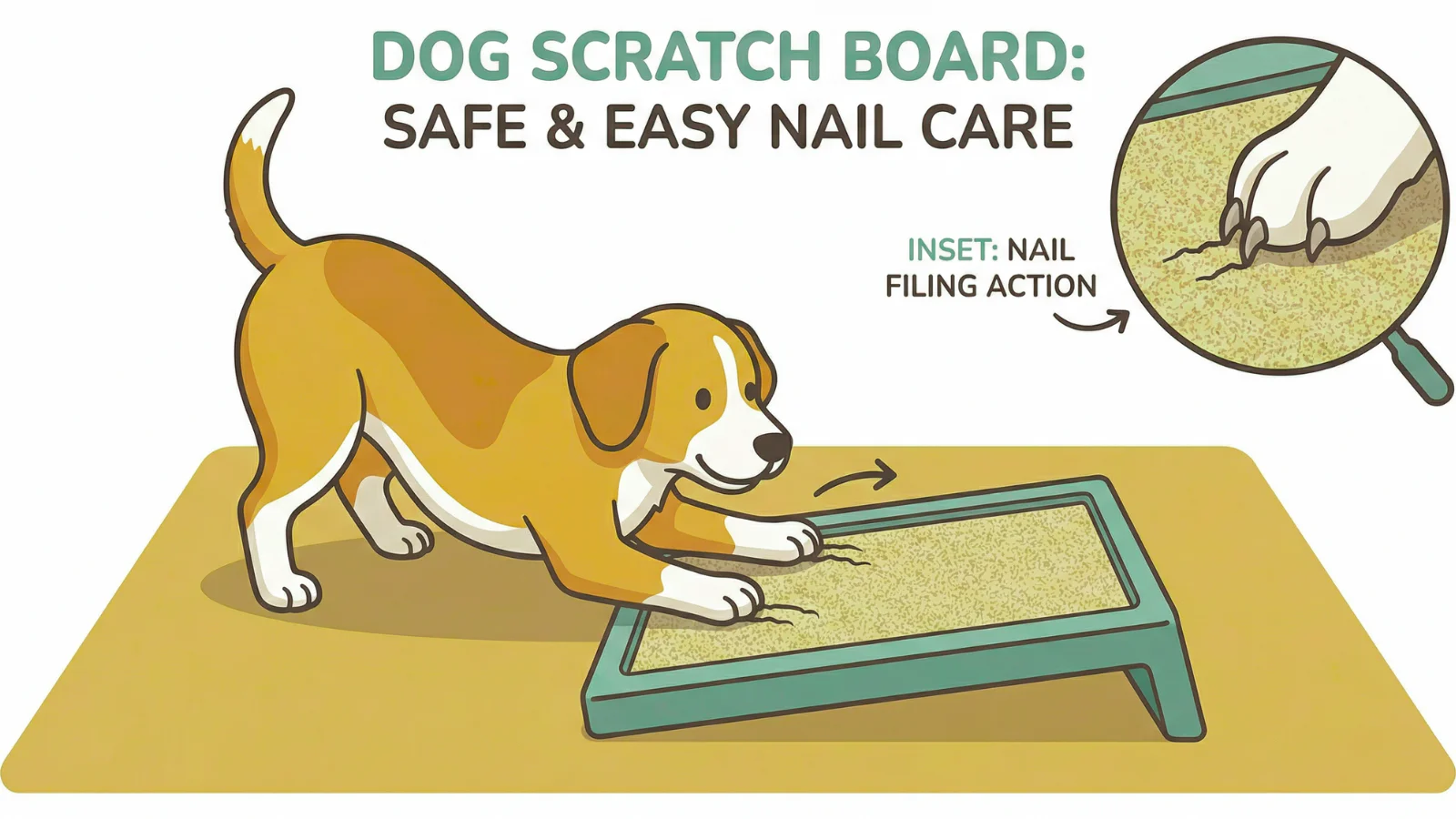
Scratch boards are one of the best alternatives to clipping, especially for anxious dogs.
A scratch board is a flat surface covered with sandpaper or textured material that encourages your dog to file their own nails using natural scratching motions. With basic training and treats, many dogs learn to use one in just a few sessions.
Why this works:
- Dogs control the pressure themselves
- No restraint or sharp tools
- Excellent for front nails
Drawbacks:
- Rear nails are harder to manage
- Requires short daily practice sessions
For dogs that fear clippers, scratch boards are often a game-changer.
Do Concrete, Pavements, and Sand Really Shorten Dog Nails?
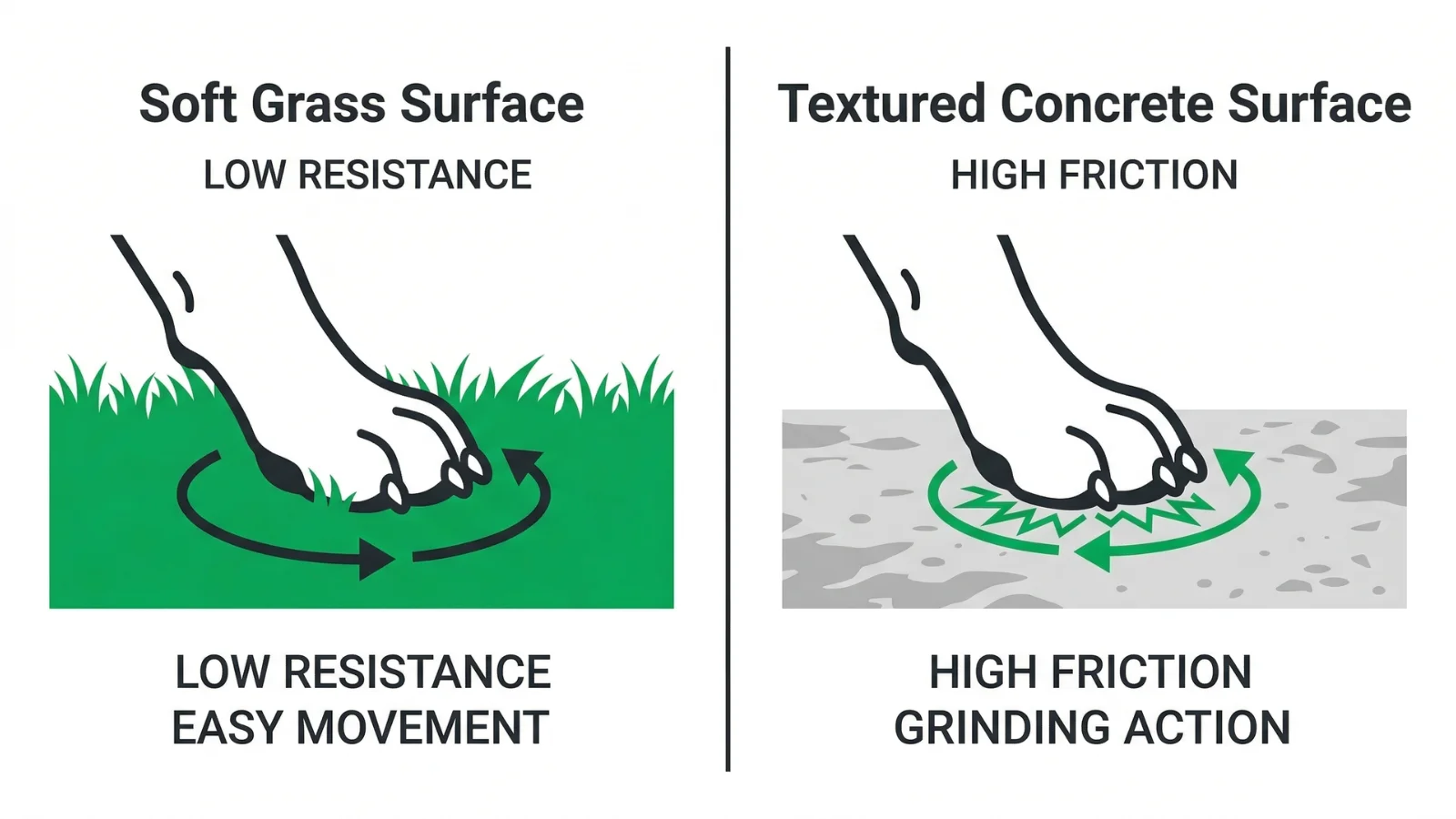
Yes — surface choice matters more than distance walked.
Walking 10 minutes on concrete can be more effective than 40 minutes on grass. Beaches with firm, wet sand can also help naturally grind nails down, especially for high-energy dogs that run.
Most effective surfaces:
- Pavement
- Concrete paths
- Compact gravel
- Wet sand
Least effective surfaces:
- Grass
- Mud
- Carpeted indoor flooring
If your dog’s nails never seem to shorten, the surface they walk on is usually the reason.
How Play and Activity Affect Nail Length
Movement matters.
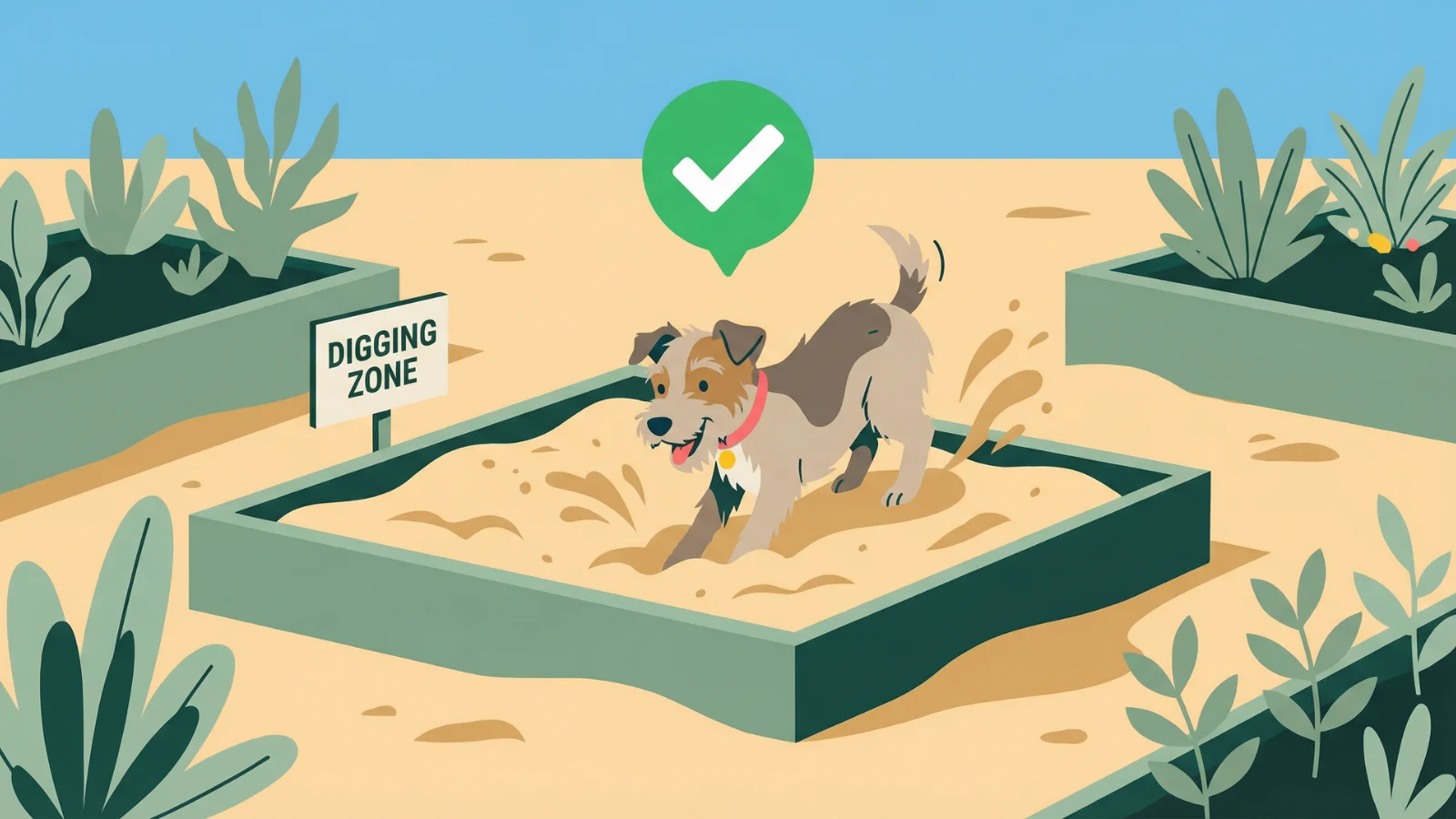
Dogs that sprint, turn sharply, dig, or climb naturally apply more pressure to their nails, which increases wear. Dogs that mostly stroll or sleep will rarely wear their nails down on their own.
Activities that help:
- Fetch on hard ground
- Agility or obstacle play
- Controlled digging zones
Inactive dogs almost always struggle with overgrown nails without intervention.
Can Diet and Joint Health Affect Nail Growth?
Surprisingly, yes.
Dogs with joint pain often walk differently, placing less pressure on their paws. This reduces natural nail wear and causes nails to grow longer and faster.
Additionally, poor nutrition can lead to:
- Brittle nails
- Faster splitting
- Uneven growth
Supporting joint health and overall mobility helps dogs move naturally, which indirectly keeps nails shorter. If your dog is slowing down due to age or stiffness, introducing one of the best dog joint supplements can help restore their comfortable gait and encourage the natural nail wear that comes with active walking.
Why Some Dogs’ Nails Never Stay Short Without Clipping
This is where owners get frustrated, and it’s not their fault.
Some dogs are simply biologically disadvantaged when it comes to nail wear.
Common reasons include:
- Fast nail growth genetics
- Long quicks
- Senior age and reduced mobility
- Toy and small breeds with light paw pressure
For these dogs, non-clipping methods help slow growth, but may not fully replace trimming. According to veterinary guidance, some dogs have faster nail growth or longer quicks, which makes it difficult to maintain proper nail length without occasional intervention, even with regular walking and activity.
What Most Owners Get Wrong About Nail Length
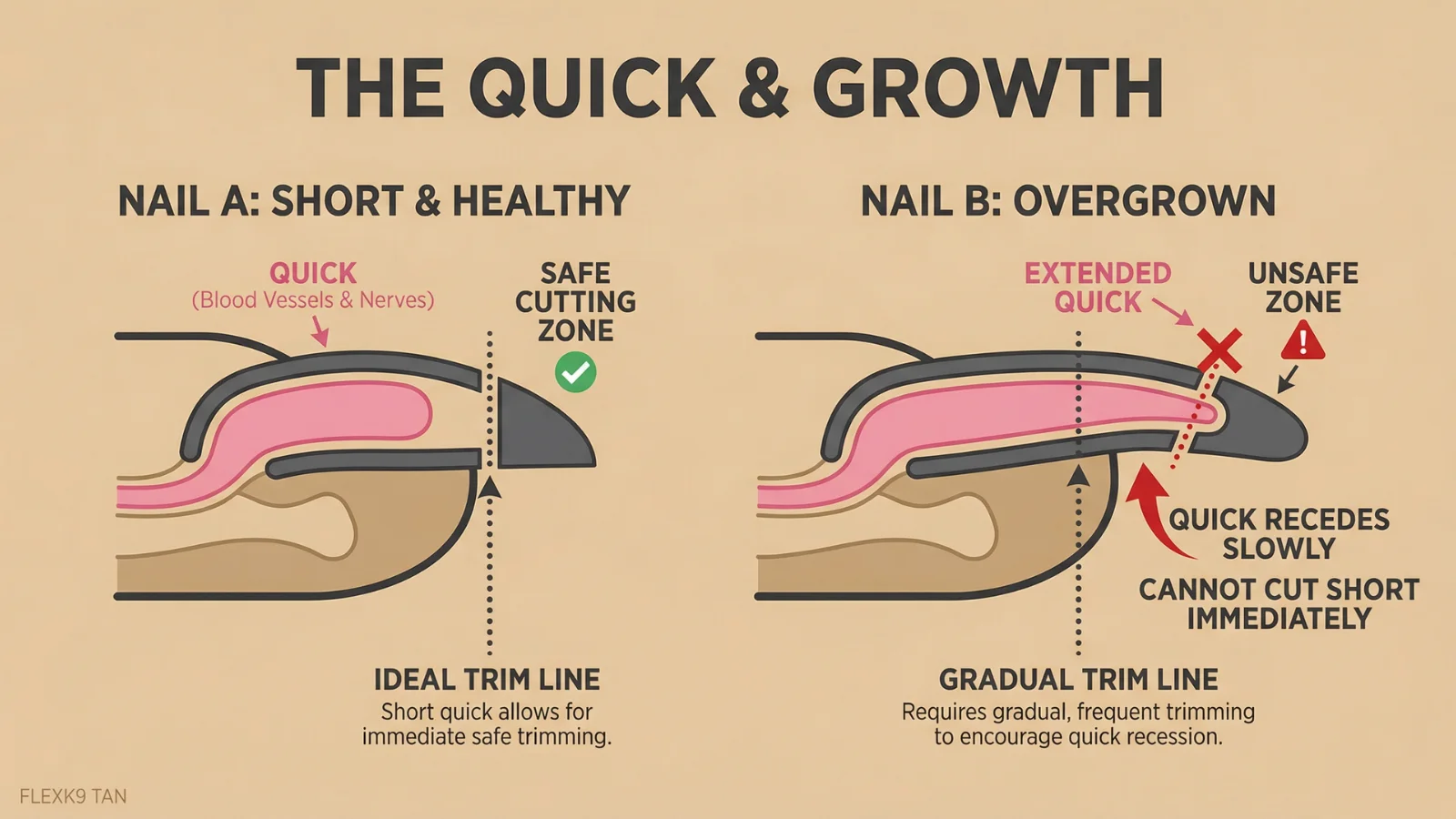
The biggest mistake is waiting too long.
Once nails become overgrown, the quick extends, making future trimming dog nails harder, even if you eventually decide to clip. Preventive maintenance is far easier than correction.
Another mistake is assuming walking alone is enough. Without the right surfaces and activity level, nails will continue to grow.
Who These Methods Are NOT Suitable For
These alternatives may not work if:
- Your dog is elderly and barely walks
- Nails are already curling or clicking loudly
- Your dog has mobility or neurological issues
- The quick is severely overgrown
In these cases, professional trimming may be unavoidable, at least initially. If your dog’s nails are already overgrown or growing unusually fast, you may still need occasional trimming. See our guide on how often to clip a dog’s nails to avoid discomfort and long-term issues.
How Long Does It Take to See Results Without Clipping?
Most owners notice improvement within 2–4 weeks when:
- Walking frequency increases
- Scratch boards are used daily
- Hard surfaces are prioritised
Consistency matters more than effort.
Final Verdict: Is It Possible to Keep Dog Nails Short Without Clipping?
For many dogs, yes. With the right combination of walking, surface choice, and activity. Scratch boards are especially effective for dogs that fear clippers. However, some dogs will always need occasional trimming due to genetics or lifestyle limitations.
The goal isn’t perfection. It’s reducing stress, avoiding overgrowth, and keeping your dog comfortable. For a deeper dive into managing highly reactive pets, read our step-by-step guide on how to cut an uncooperative dog’s nails without causing further trauma.
Frequently Asked Questions
Can you keep dog nails short without clipping?
Yes, it is possible for many dogs to keep their nails short without clipping by utilising natural friction. The most effective alternatives are daily walks on hard surfaces, using an indoor scratch board, and engaging in active play like supervised digging . However, elderly or inactive dogs may still require occasional trimming.
What is the best walking surface to naturally file dog nails?
The best walking surfaces for naturally filing a dog’s nails are pavements, concrete paths, compact gravel, and firm, wet sand . These hard textures create gentle friction that grinds the nail down over time. Walking on soft surfaces like grass or mud provides no resistance and will not shorten the nails.
How do dog scratch boards work?
A dog scratch board is a flat tool covered with sandpaper or a textured material that allows a dog to naturally file their own front nails. By using treats and basic training, anxious dogs can learn to scratch the board, allowing them to control the filing pressure without the need for restraint or sharp clippers.
How long does it take to naturally shorten a dog’s nails?
Most owners notice a visible improvement in their dog’s nail length within 2 to 4 weeks of starting a non-clipping routine. To see these results, you must consistently use scratch boards daily or increase the frequency of your walks on hard, abrasive surfaces.
Why do my dog’s nails grow so fast, even with walking?
If your dog’s nails grow unusually fast despite walking, it is often due to genetics, poor diet, or low activity levels. Additionally, dogs suffering from joint pain often alter their gait, placing less pressure on their paws, which drastically reduces natural nail wear.
What happens if a dog’s nails become overgrown?
When a dog’s nails are allowed to overgrow, the internal blood vessel and nerve—known as the quick—extends further down the nail shaft. Once the quick is extended, it becomes impossible to cut the nails short immediately; they will require gradual, frequent trimming or grinding to encourage the quick to safely recede.
How can I safely shorten my dog’s nails if they hate clippers?
If your dog panics around traditional clippers, switch to an electric nail grinder or a scratch board, which are much less intimidating. To make the process stress-free, choose a quiet space, introduce the tools gradually, do just one nail at a time, and heavily reward your dog with treats to build positive associations.
